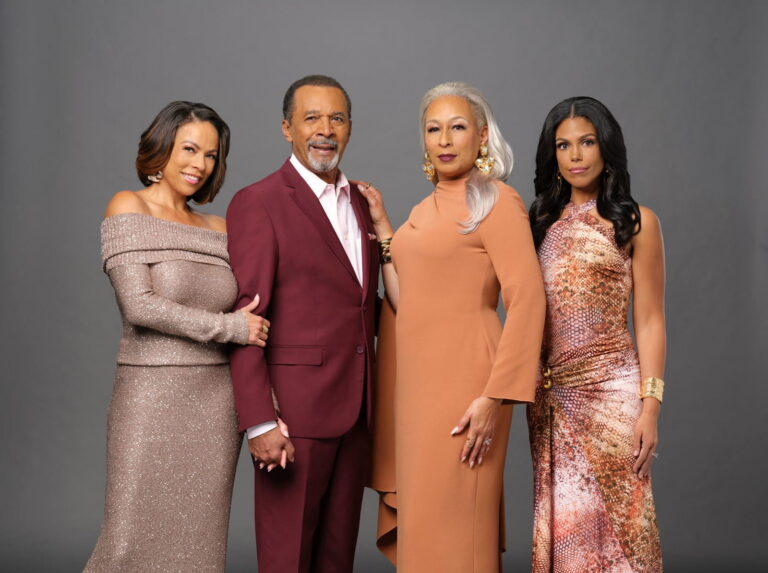
So what should women know about what's normal, and frankly, what's not normal? Reggie, I'm gonna kick it off with you because, as I told you, I was having this conversation with my, literally, my cousin-in-law just last week, and it didn't It dawned on me that many women don't actually realize that perimenopause and menopause, one, can affect younger women, and two, it can directly affect heart health. So what, changes should women be paying attention to and not just brushing off? So menopause and perimenopause is a, is a state that we have to take seriously. So what should women know about what's normal, and frankly, what's not normal?
Perimenopause is the transition after we stop getting our periods regularly into when we no longer have regular menstrual cycles, right? That's the perimenopause transition. And then menopause follows after that. And I'd like to tell all the women who are here with us this evening, you're not imagining it. It's not not happening. And it's not the stress that you experienced at work. It's not just hot in the room. It's not your last week or last year, your coworker didn't make you angry, and this year they make you angry every five minutes. It's not something that is It's not hap- not not happening to you.
It is happening to you, and it's exactly what it is. Vasomotor symptoms, V-A-S-O-M-O-T-O-R. Vasomotor symptoms are hot flashes, night sweats, and those, those symptoms occur when you are, your, as, as Reggie described, your estrogen levels start to get low and you have hot flashes.
Sleep disruption, mood swings, decreased libido, inability to enjoy sex or have an orgasm, and yes, that's a real conversation. brain fog, memory changes. Now, what's abnormal is chest pain, chest pressure, shortness of breath, dizziness, weakness, paralysis, weakness on one side versus another. Those aren't normal symptoms that people will experience during menopause. So those are some of the differences, but the most important thing to know is you need to have a care provider who's gonna ask you the questions and elicit these symptoms so that you can get the care that you need.
So I wanna say also that menopause is not a disease, it's a stage of life. Many of them are lifestyle diseases. Many of them are lifestyle diseases, because if you are not taking care of yourself very early on, these symptoms will be worse for sure. Are you gonna choose wellness or are you gonna choose illness? Because very much of it is up to us