
BlackDoctor’s Thought Leadership Summit, held at the George Washington University’s Milken Institute School of Public Health in Washington, D.C., on April 23, brought together a powerhouse collective of healthcare industry experts, leading doctors, changemakers, advocates, providers, and executives to deep dive into the biggest health issues facing the Black community — from inequities in cancer care and the broken U.S. healthcare system to lack of representation in clinical trials — and provided timely takeaways to immediately implement.
Now in its 10th year, the day-long event featured six webinars and a fireside chat — from for more than 125 attendees and a livestreamed audience on BlackDoctor’s LinkedIn, YouTube, Facebook communities.
With Black Americans continuing to face disproportionate rates of chronic disease, delayed diagnoses, barriers to quality care, and underrepresentation in clinical trials, events like the Thought Leadership Summit remain crucial. It’s an opportunity to provide culturally relevant solutions to improve outcomes while ensuring the voices reflect those of the communities most affected.
Following the opening remarks from Dr. Toyese Oyeyemi, Executive Director of Social Mission Alliance, and BlackDoctor’s newly-appointed President and CEO, Akinwole “Aki” Garrett, the day’s meaningful discussions began, covering a multitude of critical issues for the Black community.
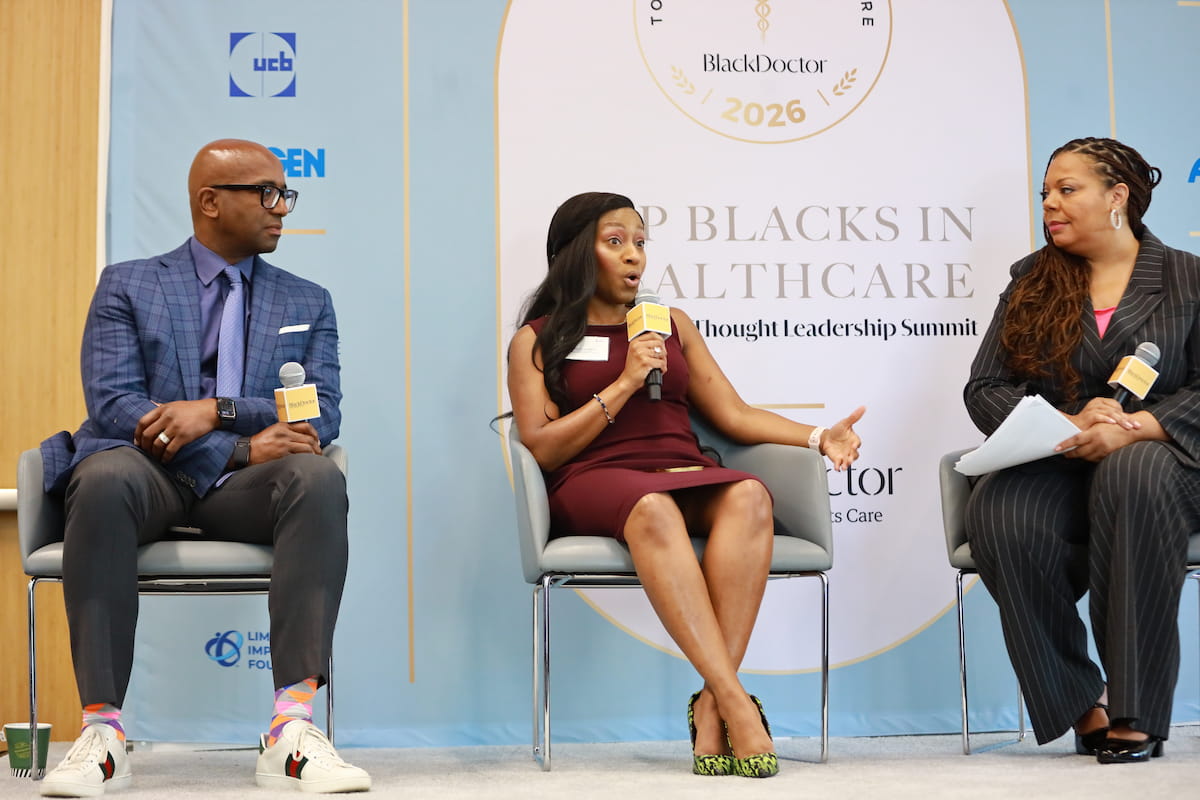
Black people have higher incidence rates across multiple cancers, yet continue to face poorer quality of care. In this panel, leading voices in oncology discussed persistent disparities in breast and prostate cancer outcomes in the Black community. Panelists talked about gaps in quality healthcare and highlighted approaches that are improving equity and survival outcomes.
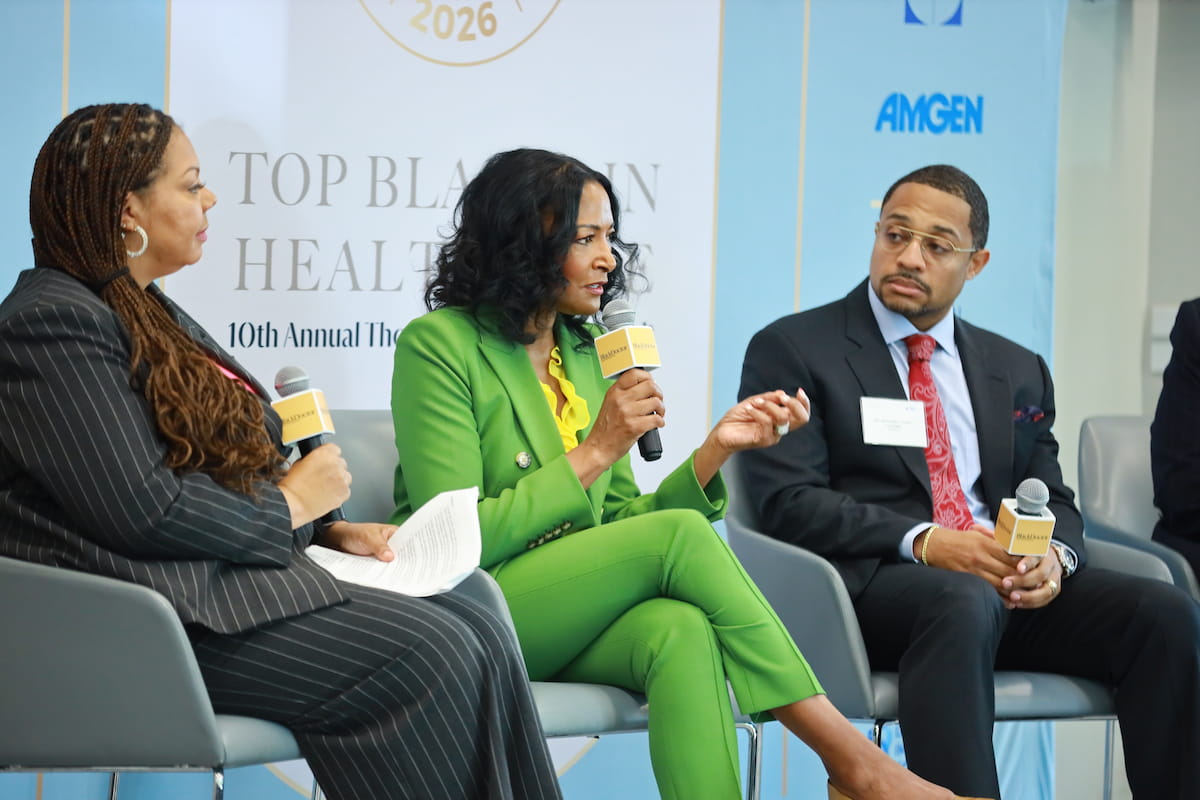
Panelists:
Cardiovascular disease continues to disproportionately affect the Black community, often with more severe, yet preventable outcomes. In this panel, speakers explored active strategies to close the gaps in access, while also educating the audience on pertinent topics such as gender differences in heart attack symptoms, advanced lipid screening, and underdiagnosed conditions like ATTR-CM.
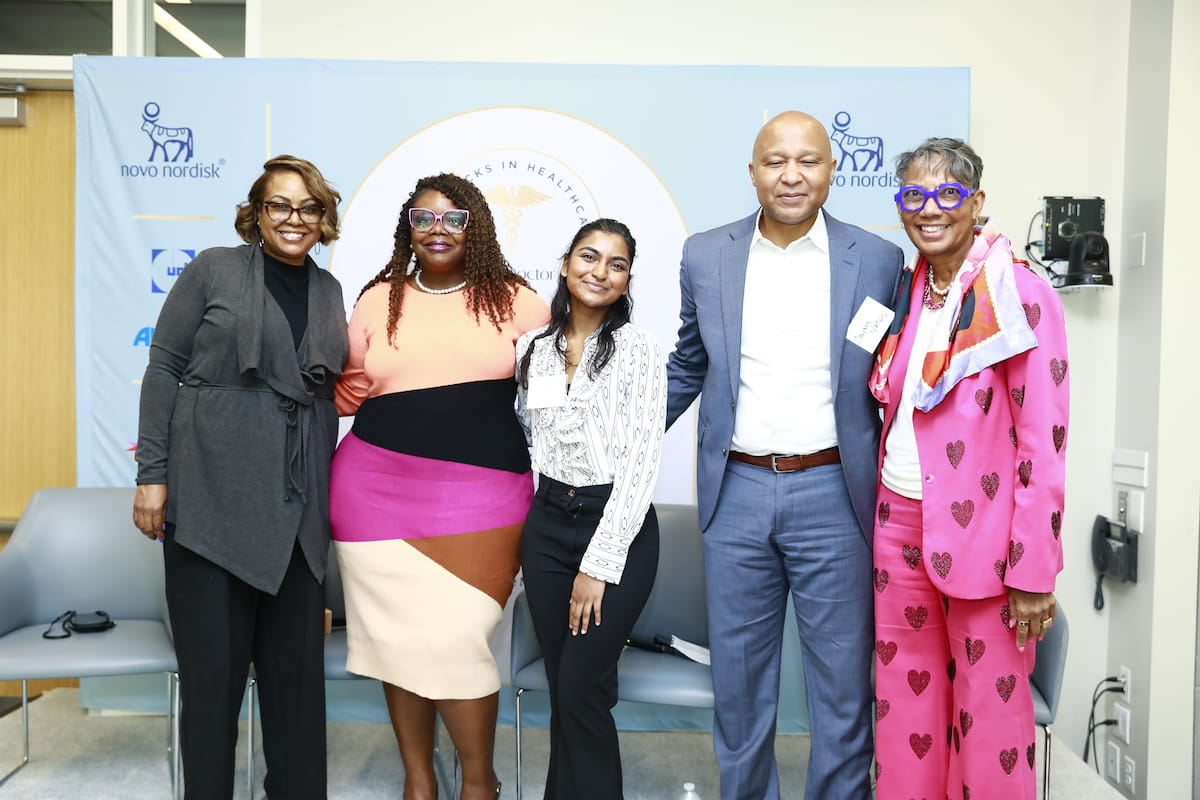
Clinical trials remain critical to advancing modern medicine and improving outcomes across multiple diseases and conditions. Yet, Black people continue to be underrepresented in medical research, leaving researchers and healthcare providers with little insight as to how new drugs or treatments work in our bodies. In this panel, leaders in clinical research shared how long-standing mistrust of medical professionals has made Black people hesitant to join clinical trials. The conversation focused on strategies that can increase participation, improve access, and encourage culturally competent conversations between providers and patients.
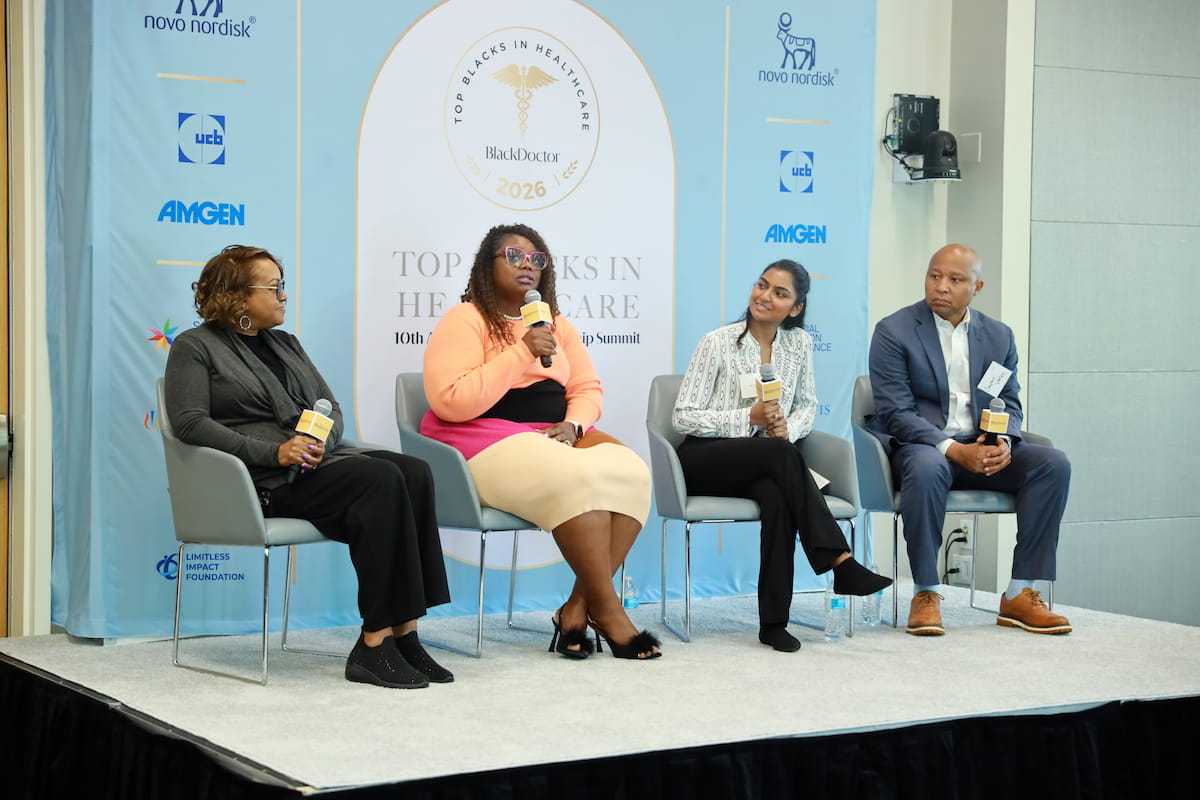
Sickle cell disease is a chronic condition that continues to impact Black communities disproportionately. Yvonne Bryant and Dr. Shan-Ta Brown, NPhA (Novo Nordisk), held a powerful discussion on treatment progress, ongoing challenges, and how advocacy has helped improve outcomes.
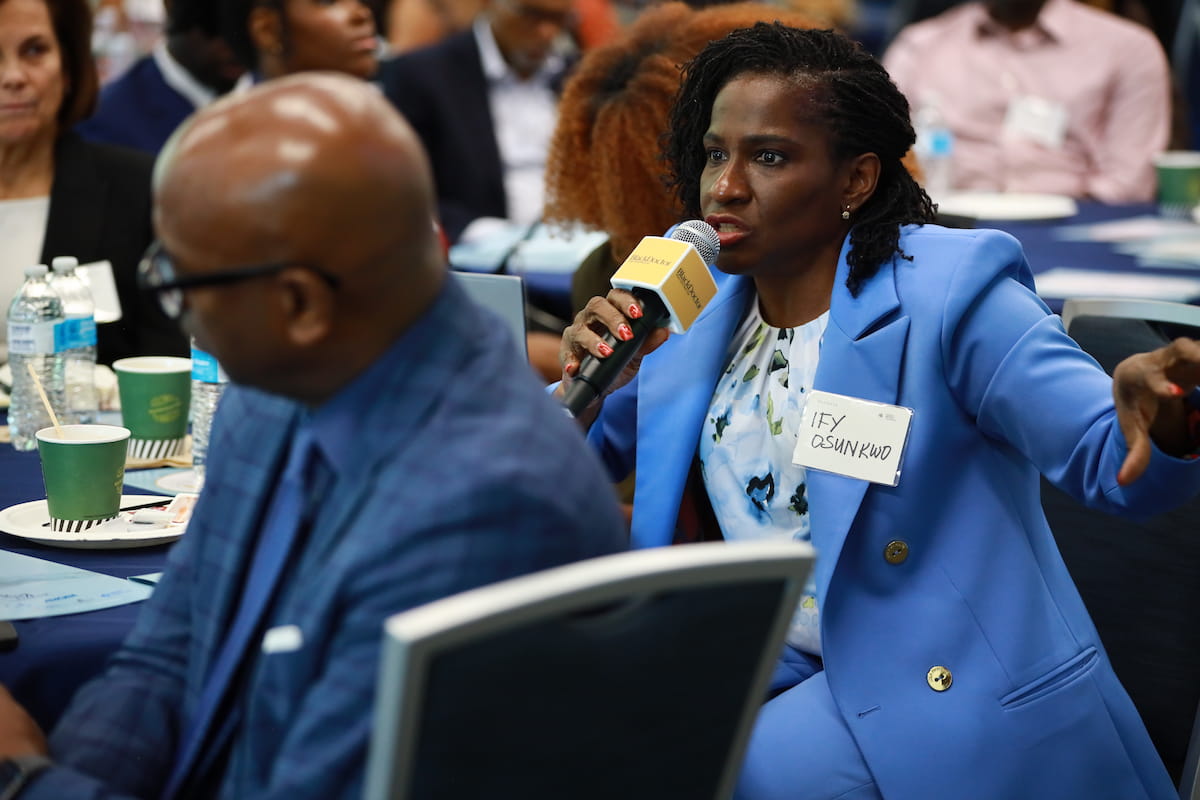
Hidradenitis suppurativa (HS) is a chronic skin condition that disproportionately affects Black patients, especially Black women. It is a commonly misunderstood condition that can often take up to a decade to be diagnosed, causing years of suffering for many. Panelists shed light on the challenges of stigma, delayed diagnosis, and care gaps while highlighting the importance of early recognition and intervention. They also discussed the latest therapies for HS and the need for more holistic approaches to its management.

The future of healthcare will require a diverse workforce that’s well-prepared to address health inequities across communities. In this panel, speakers discussed the pathways, challenges, and opportunities that the next generation of healthcare professionals will face. They offered guidance to those who want to take charge of shaping a more equitable, culturally responsive healthcare system.


By subscribing, you consent to receive emails from BlackDoctor.com. You may unsubscribe at any time. Privacy Policy & Terms of Service.