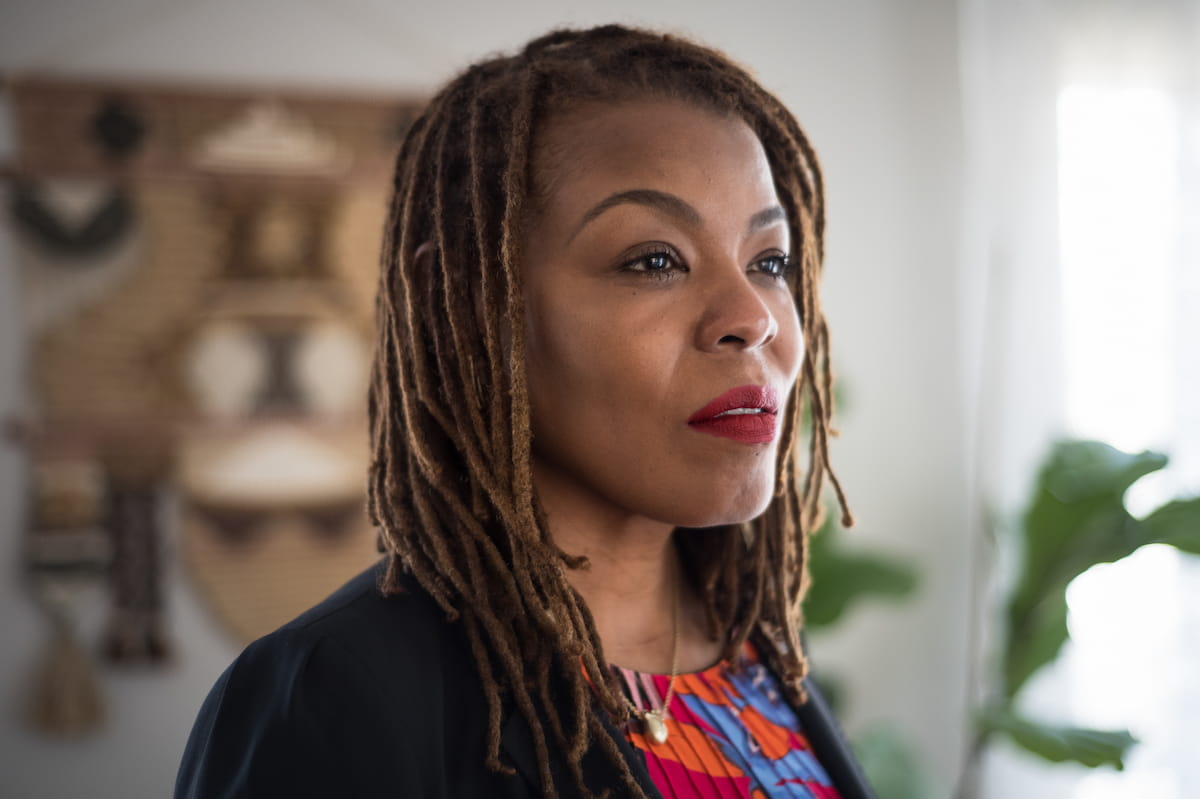
In January, I got some of the worst possible news one can get from a dentist: I need a root canal.
Most of us aren’t exactly sure what a root canal is; we just know it has a reputation for being a particularly rough dental experience. I also have a couple of extra cavities that will need attending to. As I listened to my diagnosis, a few thoughts came to mind.
Despite growing up in a family that had access to healthcare, going to the dentist was not a priority. I went to every primary care appointment, had sports physicals, and was introduced to a gynecologist at the appropriate age. I didn’t make my first visit to a dental office until adulthood, and that was really only because I finally got a toothache.
I was privileged to grow up with a nice-looking set of teeth, so I assumed the dentist wasn’t something I needed. My mother, a military brat who grew up on base in the 60s and 70s, had only horrific memories of dentists and also avoided them like the plague.
I had several friends who had never been to the dentist, all of whom were people of color. My white friends were regulars at the dentist as early as kindergarten.
We all have an uncle or auntie with a missing front tooth, and many elders are missing more than that. When I really started asking around, I noticed the dentist was not on the to-do list for many people of color.
So what’s the deal? Why does dental care feel like a privilege and not something we get outright? And why is our community not accessing the dental care we need?
Let’s take a deeper look at access to dental care in Black communities, why visits to the dentist are less common throughout our lives, and how we might inspire change so that more of us can get the care we deserve to feel healthy and beautiful.
RELATED: Skipping Dental Checkups in Your 20s? Here’s Why You Don’t Want To
After receiving my root canal diagnosis, I looked into dental care insurance that might help to cover the cost. I was surprised to discover how useless dental insurance can be.
All options available to me at the time, including the most premium and expensive options, would not cover anything more than a cavity filling for at least 12 months. They all have clauses stating that coverage would not be available for advanced services or major operations within the first year.
So now I have to pay for this operation out of pocket. What will it cost me? At a minimum, even if I were to qualify for low-income assistance, the cost of the operation is $800. For one tooth. For those who don’t qualify for low-income assistance, or, in other words, make more than $33,000 a year for a family of four, the cost rises exponentially.
For one tooth? It starts to feel not worth it, especially if I have a family to feed or other costs that will take priority.
So how did we get here? For generations, dental care in Black communities has been shaped less by personal choice and more by limited insurance options and policies.
RELATED: Why Ignoring Your Oral Hygiene Could Lead to Silent Health Risks
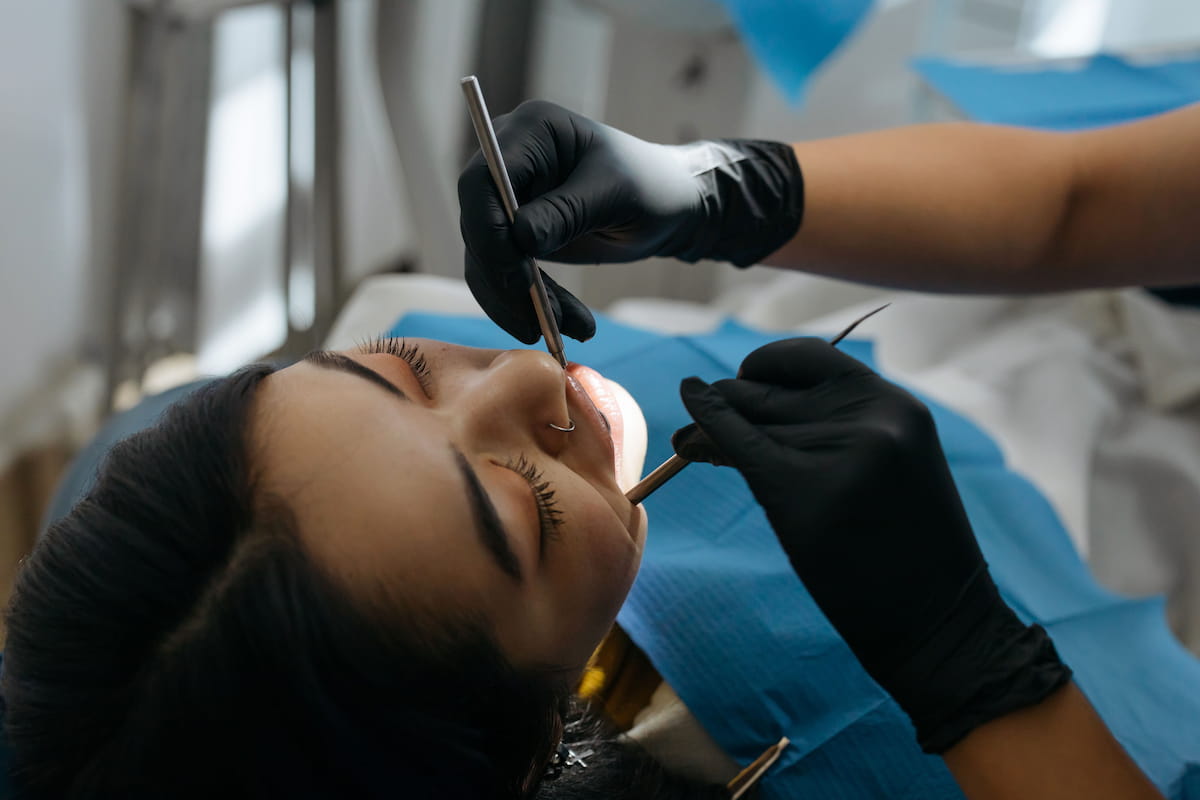
During the era of segregation, Black Americans were routinely denied access to hospitals, dental schools, and private practices. Even after the Civil Rights Movement, structural inequities lingered. Programs like Medicaid, established in 1965, technically expanded health coverage, but adult dental benefits were optional for states and often limited or eliminated during budget cuts. Meanwhile, employer-sponsored dental insurance became the norm in America, yet Black workers were (and still are) disproportionately represented in jobs less likely to offer comprehensive benefits. The result: oral health was treated as separate, secondary, and often out of reach.
Cost has remained one of the biggest barriers. Unlike medical insurance, dental coverage typically has lower annual caps, higher out-of-pocket costs, and fewer incentives for preventive care. For families already navigating wage gaps, housing costs, and student loans, routine cleanings can feel like a luxury rather than basic care. When budgets tighten, immediate necessities, like rent, groceries, and childcare, win over preventive appointments that don’t seem urgent in the moment.
Geography tells its own story. Many predominantly Black neighborhoods have long been underserved when it comes to healthcare infrastructure. Fewer private dental practices set up shop in these areas, and those that do may not accept public insurance. Transportation barriers, limited appointment availability, and historical mistrust of medical institutions compound the problem. If care requires multiple bus rides, unpaid time off work, or navigating systems that have not always been welcoming, it becomes easier to postpone it altogether.
Layered on top of this is the reality that oral health competes with other pressing health concerns. Higher rates of chronic conditions like hypertension and type 2 diabetes mean families are often prioritizing medications, specialist visits, and emergency care.
In many households, dental pain is endured until it becomes unbearable. The history of dental care in Black communities is not about neglect; it’s about navigating systems that were never fully designed with equity in mind, and making tough financial decisions in the face of limited options.
For us, teeth are less about telling stories about our health and more about beauty standards. Women swoon over a man with deep, brown skin and an ultra-white smile, and those who do prioritize their oral care mostly do so for looks.
Oral disease is much more impactful on our overall health than many of us realize. When dental issues go unchecked, they rarely stay confined to the mouth. A small cavity can quietly turn into an infection. Bleeding gums can signal the progression of gum disease. And chronic inflammation in the mouth doesn’t just cause bad breath or tooth loss. It can become a gateway for bacteria to enter the bloodstream.
Over time, untreated dental disease has been linked to higher risks of conditions like heart disease and worsening outcomes in type 2 diabetes. The mouth is not separate from the body; it’s the point of access. When that access point is compromised, the ripple effects can be monumental.
Unchecked dental disease can also quietly shape quality of life. Chronic pain affects sleep, focus, and mood. Missing or damaged teeth can make chewing difficult, limiting access to nutrient-dense foods and reinforcing cycles of poor nutrition. In severe cases, untreated infections can spread to the jaw or sinuses and even become life-threatening.
What begins as something “minor” can escalate into emergency care that is far more invasive and expensive than prevention ever would have been. Oral health is foundational health, and when neglected, the consequences extend far beyond a smile.
If we are to ensure access to dental care for more people in Black communities, change has to come from insurance access and policy. At this point, most dentists do not accept Medicaid. Even when Medicaid is accepted, what about the many people and families who fall somewhere between not qualifying for Medicaid and not being able to afford dental care?
This change must come from policy reform. We need insurance that covers more than just cleanings. It needs to help families afford care, no matter how severe the condition.
We need more dentists of color working in the industry. Right now, less than five percent of all dentists are Black. Diversifying the industry could help families of color learn about the need for dental care and inspire us to prioritize it.
Dental offices need to open in areas that allow people of all backgrounds to access facilities. Exclusion by location has long been used to oppress our communities, and it’s time for the dental industry to be more intentional about creating spaces that don’t perpetuate inaccessibility.
We have advocated for health policy change before and won. Our fight for healthcare access for everyone must continue. If you haven’t been to the dentist in a long time (or ever), look into your current options and prioritize the care you deserve.


By subscribing, you consent to receive emails from BlackDoctor.com. You may unsubscribe at any time. Privacy Policy & Terms of Service.