The U.S. Department of Health and Human Services (HHS) and the Department of Veterans Affairs (VA) recently announced a partnership to accelerate research into psychedelic therapies for veterans living with serious mental conditions. Although collaboration signals growing federal interest in these treatments, psychedelic therapies remain experimental and are currently available through psychedelic clinical trials.
“America owes every veteran the best care our nation can provide,” HHS Secretary Robert F. Kennedy, Jr., said in the press release. “We’re not going to wait while promising treatments sit on the sidelines. Thanks to President Trump’s leadership, HHS and the VA are working together to develop safe, FDA-approved innovations and transition them from research into care so veterans can access the treatments they deserve.”
This announcement goes beyond veterans — findings from these clinical trials could influence future treatments for people living with mental health conditions.
Researchers are currently studying whether psychedelic-assisted therapies may help with mental health conditions such as:
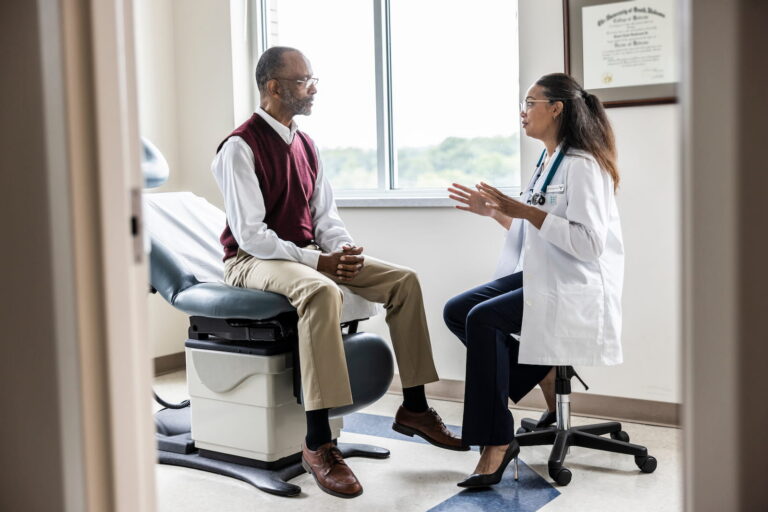
Unlike recreational use, psychedelic-assisted therapy is conducted in a carefully controlled medical setting, where participants receive a psychedelic medication alongside talk therapy and ongoing monitoring from trained clinicians.
Some patients don’t respond to standard, first-line treatment, which has prompted researchers to investigate new therapies that may be more effective. However, these therapies have not yet become part of standard medical treatment and will require additional research before they’re made available to the general public.
RELATED: Could Psilocybin Become a New Option for Depression Treatment?
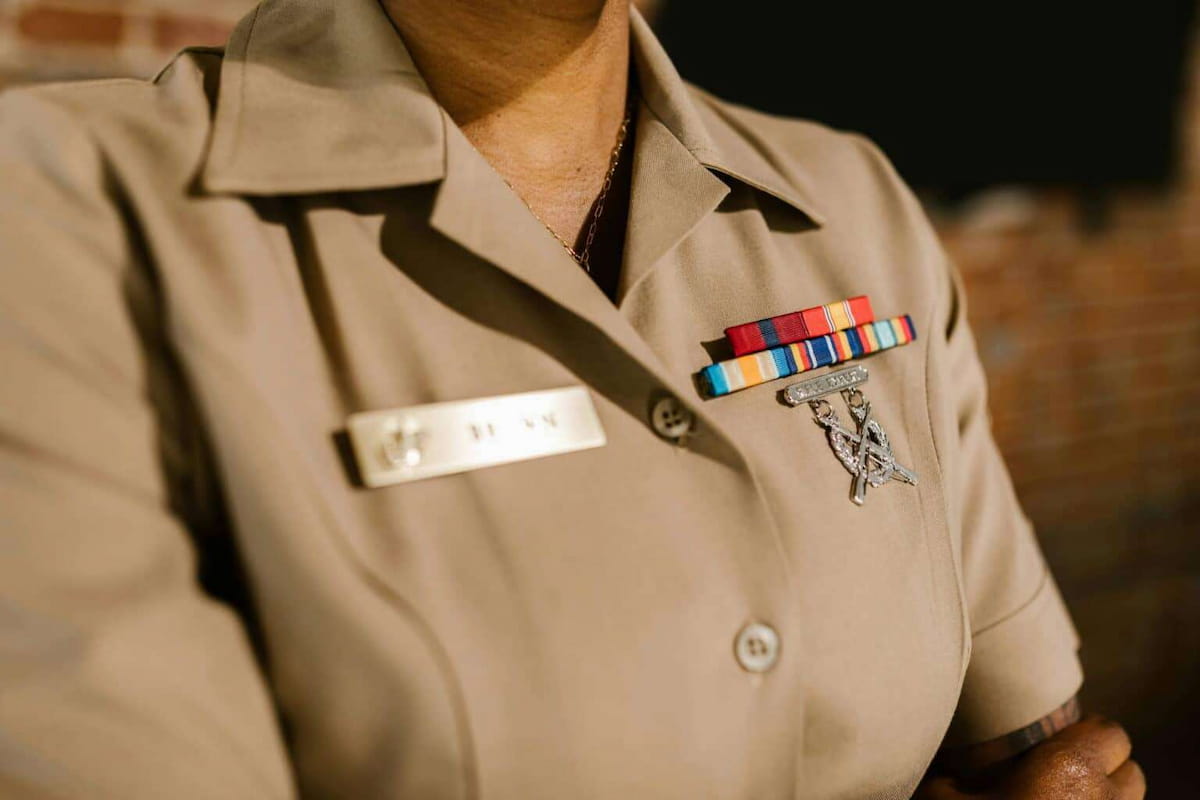
The HHS and VA are forming a collaboration to accelerate research on psychedelics for serious mental health conditions, with veterans being the focus. Studies consistently show that veterans experience high rates of PTSD, depression, and suicide related to their service. While many veterans benefit from existing treatments, others continue to experience symptoms despite therapy or medication, prompting researchers to explore additional treatment options. Factors such as lack of perceived need, low mental health literacy, stigma, inability to afford treatment, and lack of health insurance can make it difficult for veterans to get into treatment.
The partnership between HHS and the VA aims to strengthen clinical research infrastructure and evaluate promising therapies to improve outcomes for veterans and, eventually, the general public. The federal agencies aim to gather high-quality scientific evidence before treatment becomes widely available.
Psychedelic trials are medical studies regulated by the U.S. Food and Drug Administration (FDA) that evaluate psychedelic compounds — such as psilocybin, MDMA, and LSD — for mental health conditions. They are different from traditional drug trials as they combine medication with structured psychological support in highly controlled settings.
In psychedelic clinical trials, researchers — who are typically healthcare professionals — measure both the safety and efficacy of these compounds, while ensuring participants receive carefully monitored treatment throughout the process.
Depending on the study, researchers may compare psychedelic-assisted therapy with standard treatments, talk therapy alone, medication alone, or a placebo. These comparisons help determine whether psychedelic therapies provide additional benefits beyond existing care.
Participation in psychedelic clinical trials can be especially beneficial for Black communities. Research shows that Black Americans experience significant disparities in accessing mental healthcare. Additionally, Black veterans are significantly less likely to receive a PTSD diagnosis than white veterans, and are highly underserved and undertreated by mental health professionals.
Historically, Black Americans have been underrepresented in many types of clinical research. Increasing diversity in clinical trials can help researchers understand whether treatments are safe and effective across different populations. Greater representation in medical research can lead to more equitable mental healthcare for Black Americans.
Not all of them. Most psychedelic treatments remain investigational, meaning they’re still going through trials. Some have received FDA Breakthrough Therapy designation, which helps speed research but doesn’t mean they’re approved. Clinical trials remain the primary legal way for most patients to access these therapies.
RELATED: Clinical Trials: What Black People Need to Know Before Participating
The partnership between HHS and the VA in psychedelic clinical trials represents a growing interest in innovative mental health therapies. Before they can be offered as alternative treatments for serious mental health conditions, more research is needed to confirm their safety and efficacy.
As interest in psychedelic medicine continues to grow, clinical trials will help determine whether these therapies are safe, effective, and appropriate for wider use. Whether you’re a veteran or a civilian, understanding how clinical research works can help you make informed decisions among emerging treatment options.
If you’re interested in participating in a clinical trial, speak with your healthcare provider and explore legitimate clinical trial opportunities through BlackDoctor’s Clinical Trials Resource Center and ClinicalTrials.gov.
By subscribing, you consent to receive emails from BlackDoctor.com. You may unsubscribe at any time. Privacy Policy & Terms of Service.