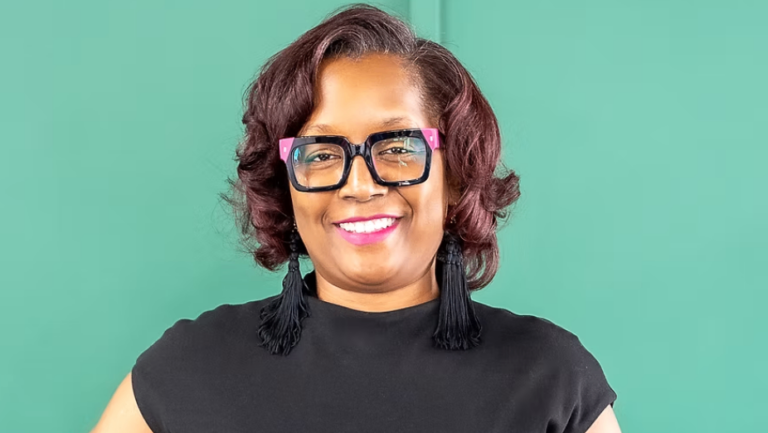
Growing up is already hard, but for Black children living with lupus, it can be even more difficult. Lupus tends to affect Black youth more often and more severely, and they often face delays in diagnosis or barriers in the healthcare system. This means many young patients deal with anxiety and depression, along with physical fatigue and pain. Now, a new virtual program from Michigan State University is giving hope by helping kids and their families build the mental skills they need to regain control.
The therapy program is called Treatment and Education Approach for Childhood-onset lupus, or TEACH. The program uses cognitive behavioral therapy and mindfulness meditation strategies to improve symptoms.
Lupus can be a complex and debilitating condition, especially for children. In addition to physical symptoms like fatigue and pain, lupus can lead to mental health symptoms like depression and anxiety.
Kids can experience the disease more severely and lack coping tools. The goal of TEACH is to help them learn to manage their symptoms.
Participants go through weekly remote sessions with a behavioral care provider. They learn techniques such as relaxation strategies and stress management. The program is intended to complement a medical regimen, not replace it.
Results of a TEACH clinical trial were published in Arthritis Care and Research.
It found that kids who went through the TEACH program improved symptoms of depression and anxiety in just six weekly sessions. Pain scores did not significantly improve, but associated mental health symptoms did.
TEACH was created by Natoshia Cunningham, an associate professor and pediatric psychologist in the MSU College of Human Medicine.
“I was really drawn to helping young lupus patients because they have a complex medical condition,” she explained in a news release.
“The associated mental health challenges can be complicated, and many children who have lupus are from marginalized groups,” Cunningham continued. “Despite the need, they are not necessarily identified nor provided access to behavioral health care.”
One current TEACH researcher is a former participant of the program herself. Isabella Colindres was diagnosed with lupus at age 16 and participated in early trials of TEACH.
“I felt supported, understood and safe in a way I had never experienced in a medical setting before,” Colindres explained in a news release. “Over those six weeks of remote cognitive behavioral therapy sessions, I learned a practical skill set that helped me manage fatigue, pain and the heavy mental load and brain fog that often accompany lupus.”
The upshot?
“I started sleeping better, thinking more clearly and feeling more in control of my health, especially as I learned to challenge intrusive and unhelpful thoughts,” she said. “TEACH genuinely helped me feel like myself again.”
Current lupus treatments are focused on the physical symptoms of the disease, so TEACH proponents say the program is needed to help with the emotional aspects.

Lupus is often diagnosed during the teenage years, according to Dr. Andrea Knight, a pediatric rheumatologist at Toronto Hospital for Sick Children and a collaborator on the TEACH program and research.
“Kids can go from being healthy to having a potentially fatal condition that requires a lot of changes in their life,” Knight said in a news release. “This also affects the family dynamic.”
In addition to helping kids manage lupus symptoms, TEACH helps parents learn management strategies, too, Cunningham said.
If you are wondering how you can help your child manage lupus on a day-to-day basis, here are some tips from the Lupus Foundation of America.
It’s important to help your child avoid factors that trigger their symptoms or make them worse. Encourage your child to:
Your child may need to make some changes to their daily routine to manage their lupus symptoms. Start by helping your child develop these healthy habits:
There’s a lot you can do to stay on top of your child’s health. Use these tips to stay organized:
It’s also important to work with your child’s treatment team and check in often. Remember to:
By bridging the gap between medical treatment and mental health support, TEACH is proving that healing isn’t just about managing a physical condition—it’s about helping kids feel like themselves again. For these young warriors, just six short weeks can mean the difference between merely surviving and truly thriving.
To find out more information about lupus, visit the Lupus Foundation of America.


By subscribing, you consent to receive emails from BlackDoctor.com. You may unsubscribe at any time. Privacy Policy & Terms of Service.