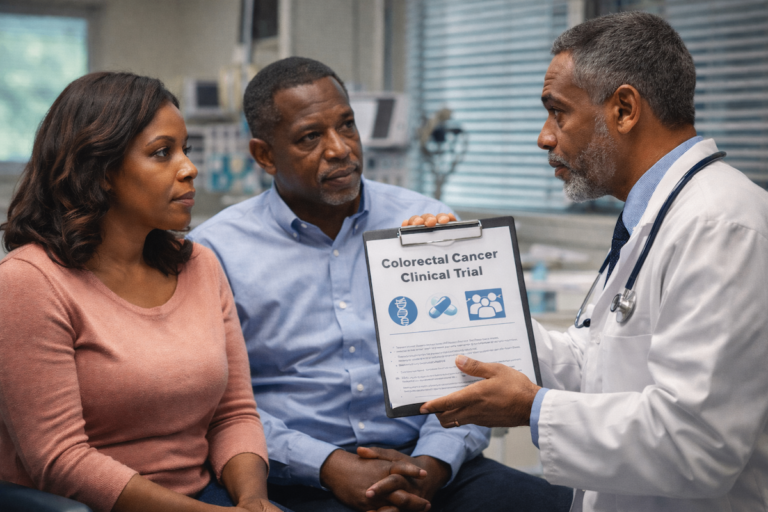
A new study, “The influence of socioeconomic status on individual attitudes and experience with clinical trials,” published in Nature, sheds light on the significant disparities in clinical trial participation among different socioeconomic groups. The research highlights how factors such as education, income, and access to health care resources can influence individuals’ willingness to participate and their likelihood of being asked to participate in clinical trials.
Socioeconomic Disadvantage as a Barrier: The study found that individuals from lower socioeconomic backgrounds, including those with lower income and education levels, are less likely to participate in clinical trials. This suggests that these groups are being excluded from important research opportunities that could benefit their health.
Education and Income as Predictors: Education and income emerged as strong predictors of both interest in participating in clinical trials and the likelihood of being asked to participate. Individuals with higher levels of education and income were more likely to be interested and to have been approached about participating.
Lack of Awareness: The study also found that individuals from lower socioeconomic groups may be less aware of clinical trials and their potential benefits. This lack of awareness can be attributed to limited access to healthcare information and resources.
Concerns About Participation: Participants from all socioeconomic groups expressed concerns about participating in clinical trials, including worries about side effects, medical procedures, and the experimental nature of the research. However, the specific concerns varied across different income and education levels.
Clinical Trial Social Influence: The presence of a family member or friend who has participated in a clinical trial can significantly influence an individual’s willingness to participate. This suggests that social networks play a crucial role in shaping attitudes towards clinical trials.
The findings of this study have important implications for Black Americans, who are disproportionately represented in lower socioeconomic groups. The study suggests that Black Americans may face unique challenges in participating in clinical trials due to factors such as:
Limited Access to Healthcare: Black Americans are more likely to experience disparities in healthcare access, which can make it difficult to learn about clinical trials and participate in them.
Historical Mistrust: The historical mistreatment of Black Americans in medical research, such as the Tuskegee syphilis experiment, has fostered mistrust in the medical establishment. This mistrust can make Black individuals hesitant to participate in clinical trials.
Financial Constraints: Economic disparities can make it difficult for Black Americans to afford the costs associated with participating in clinical trials, such as transportation, childcare, or lost wages.
To address the underrepresentation of Black Americans in clinical trials, it is essential to implement strategies that:
Increase Awareness: Educational campaigns can be used to raise awareness about clinical trials and their benefits among Black communities.
Build Trust: Efforts should be made to rebuild trust between Black communities and the medical establishment. This may involve investing in community-based research initiatives and involving Black researchers and community leaders in the design and implementation of clinical trials.
Reduce Financial Barriers: Financial assistance programs can be established to help Black Americans offset the costs of participating in clinical trials.
Address Cultural Factors: Researchers should be sensitive to cultural factors influencing the decision to participate in clinical trials.
Combat Institutional Bias: Efforts should be made to address systemic biases within the healthcare system that contribute to the underrepresentation of Black Americans in clinical trials.
By addressing these challenges, we can work towards ensuring that Black Americans have equitable access to clinical trials and the benefits they offer. This will help to reduce health disparities and improve the overall health and well-being of our community.


By subscribing, you consent to receive emails from BlackDoctor.com. You may unsubscribe at any time. Privacy Policy & Terms of Service.