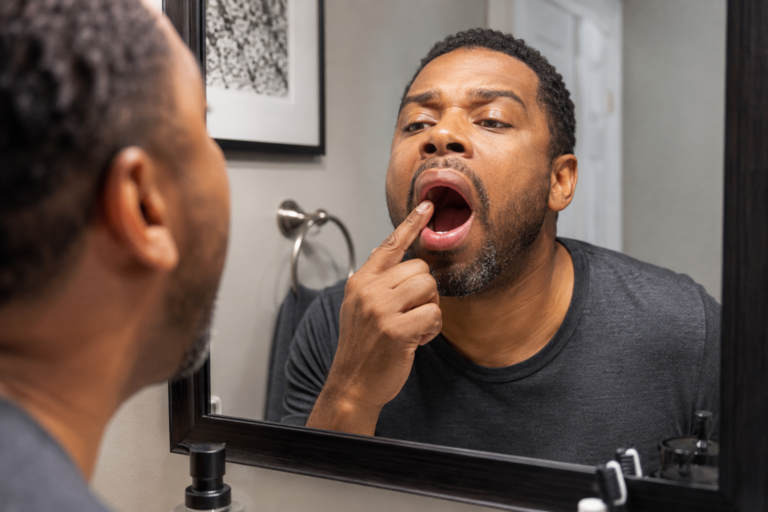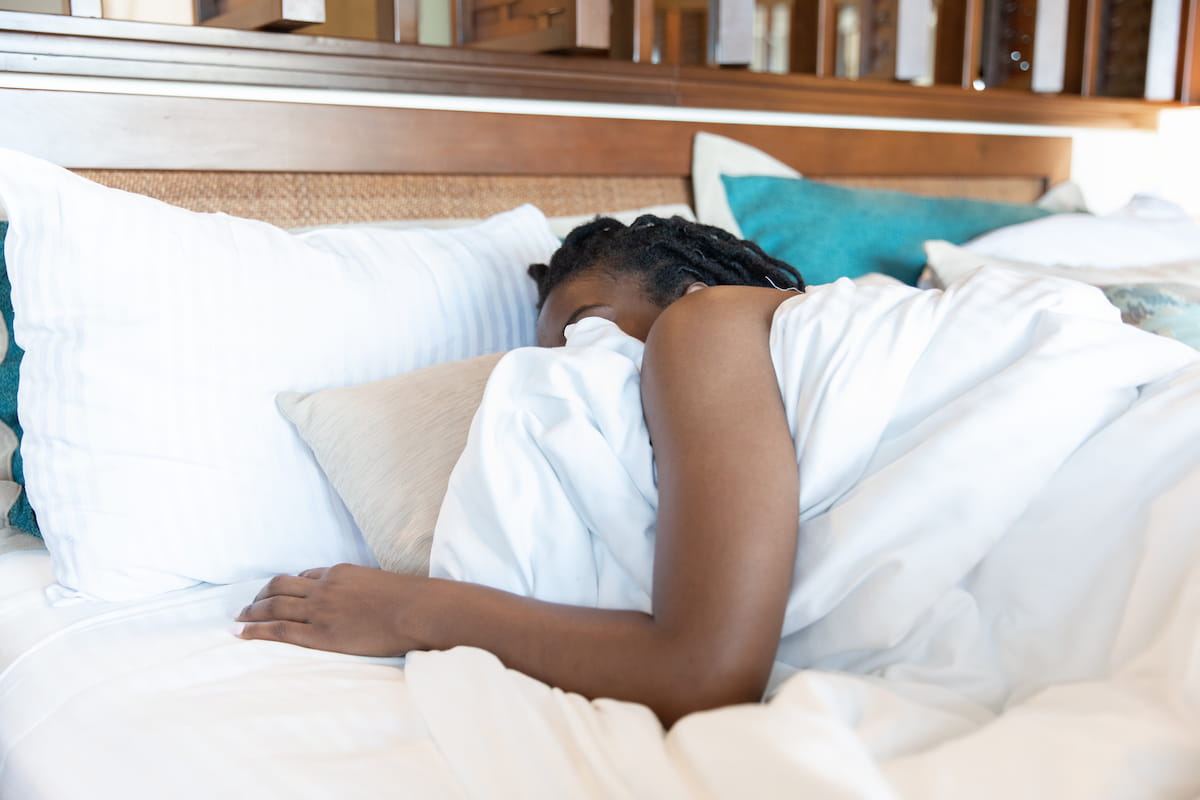
Waking up to a damp pillow is something many people have experienced at least once. While it’s often joked about or dismissed as harmless, drooling during sleep—known medically as sialorrhea—can sometimes be a signal that something deeper is going on in the body. Occasional drooling is common and usually harmless, but frequent or excessive drooling may point to underlying health conditions ranging from sleep disorders to neurological disease.
Understanding why drooling occurs during sleep, when it may indicate a serious issue, and how to manage it can help people take proactive steps toward better health and sleep quality.
Drooling happens when saliva escapes from the mouth while sleeping. The body naturally produces saliva day and night to lubricate the mouth, aid digestion, and protect teeth. However, when saliva production exceeds swallowing ability—or when the mouth remains open during sleep—it may spill out.
Several harmless factors can cause nighttime drooling, including:
According to Dr. Abhinav Singh, MD, a sleep medicine physician, occasional drooling is not unusual. However, he warns that frequent drooling should not be ignored.
“Excessive and frequent drooling signals a problem and may represent another medical or sleep-related condition.”
When drooling occurs regularly or is accompanied by other symptoms—such as loud snoring, difficulty swallowing, or neurological changes—it may indicate a more serious condition.
While drooling itself is not a disease, it can be a symptom of underlying health problems. Here are some of the most common medical conditions associated with chronic drooling during sleep.
One of the most significant conditions linked to nighttime drooling is obstructive sleep apnea (OSA). This sleep disorder occurs when the airway becomes partially or completely blocked during sleep, causing breathing interruptions.
Because people with sleep apnea often breathe through their mouths and struggle to swallow saliva while sleeping, drooling can occur more frequently.
Common symptoms of sleep apnea include:
Untreated sleep apnea can increase the risk of heart disease, stroke, and high blood pressure, making early diagnosis crucial.
GERD, commonly known as acid reflux, is another condition linked to drooling during sleep. When stomach acid flows back into the esophagus, the body may produce extra saliva as a protective response.
This process—sometimes called “water brash”—can result in excessive salivation and drooling at night.
GERD symptoms may include:
When GERD occurs at night, the extra saliva produced can easily escape from the mouth during sleep.
Conditions that affect the brain and nervous system can also impair the body’s ability to control swallowing or facial muscles, leading to drooling.
Neurological disorders linked to excessive drooling include:
These conditions may weaken facial muscles or interfere with swallowing reflexes, allowing saliva to accumulate and leak out during sleep.
In such cases, drooling is often only one of several symptoms.
Chronic sinus infections and severe allergies can force people to breathe through their mouths while sleeping. Mouth breathing increases the likelihood that saliva will escape from the mouth.
Inflamed sinuses and nasal congestion may also affect swallowing reflexes and throat muscles, contributing to nighttime drooling.
Treating the underlying sinus problem often reduces the symptom.
Certain medications can increase saliva production or interfere with muscle control in the mouth and throat.
Common drugs associated with excessive saliva include:
If drooling starts after beginning a new medication, it may be worth discussing alternatives with a healthcare provider.
Problems with the mouth, jaw, or facial muscles can also contribute to drooling. Conditions such as facial paralysis, dental issues, or misaligned teeth can make it difficult to keep saliva inside the mouth during sleep.
When the muscles responsible for swallowing and lip closure weaken, saliva may escape more easily.
Occasional drooling is normal. But experts recommend paying attention to warning signs that suggest a medical issue.
You should consider seeing a doctor if drooling is:
Healthcare providers may recommend tests such as sleep studies, imaging scans, or neurological evaluations to identify the root cause.
Fortunately, there are several effective ways to reduce or eliminate drooling at night.
Your sleeping position plays a major role in drooling. Sleeping on your side or stomach allows gravity to pull saliva toward your pillow.
Switching to sleeping on your back can help keep saliva in your mouth and reduce drooling.
Using supportive pillows can also help maintain this position throughout the night.
If allergies or sinus issues cause mouth breathing, treating the congestion may solve the problem.
Possible treatments include:
Opening the nasal passages encourages breathing through the nose instead of the mouth.
Mandibular devices or mouthguards can help keep the mouth closed during sleep. These devices are commonly used to treat snoring and teeth grinding but can also reduce drooling.
They work by positioning the jaw and tongue to maintain proper airflow and swallowing.
Speech therapy or specialized exercises can strengthen the muscles of the mouth, jaw, and tongue.
Improved muscle control helps:
This treatment is particularly helpful for people with neurological conditions.
In more severe cases, doctors may recommend medical interventions.
These may include:
Botulinum toxin injections are considered a safe and effective treatment because they reduce saliva production with relatively few side effects.
However, these treatments are typically reserved for persistent or medically related drooling.
Drooling during sleep is usually harmless and often related to sleep position or relaxed muscles. But when it occurs frequently, it can be a signal that the body is trying to communicate something more serious.
Sleep apnea, acid reflux, neurological disorders, sinus issues, medication side effects, and oral health problems can all contribute to excessive nighttime drooling. Identifying the underlying cause is the key to treating the problem effectively.
As sleep experts emphasize, persistent drooling should not simply be ignored. A medical evaluation can rule out serious conditions and help restore both healthy sleep and peace of mind.
In many cases, simple lifestyle adjustments—such as changing sleep positions or treating nasal congestion—can dramatically reduce drooling. In others, medical treatment may be necessary.
Either way, what seems like a minor nighttime annoyance might actually be an early warning sign worth paying attention to.


By subscribing, you consent to receive emails from BlackDoctor.com. You may unsubscribe at any time. Privacy Policy & Terms of Service.