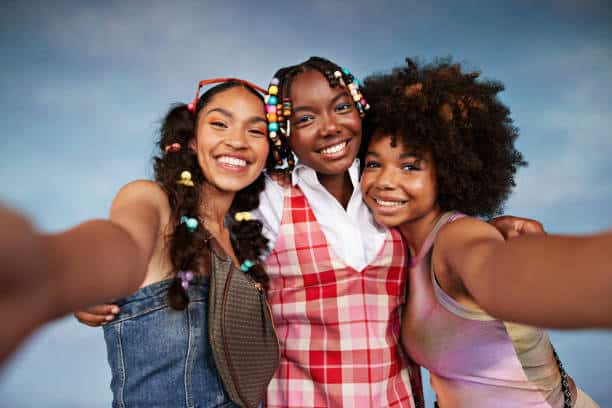
As the cultural landscape reshapes, Gen Z—individuals born between 1997 and 2012—is redefining its relationship with alcohol. More are choosing to drink less or not at all, driven by wellness, awareness, and value shifts. Here’s a deep dive into what’s behind the trend and what the “sober curious” movement really encompasses.
The term “sober curious” refers to a lifestyle that prompts individuals to question their alcohol usage, rather than committing to total abstinence or being driven by religious or addiction-related reasons. Coined by Ruby Warrington in her 2019 book Sober Curious, the concept centers on an intentional, mindful relationship with drinking—allowing for flexibility rather than rigidity.
Unlike teetotalism, which is rooted in moral or habitual abstinence, “sober curious” invites a gentle exploration. Some engage occasionally with zero-proof alternatives or mocktails; others participate in intermittent sobriety—like Dry January—to recalibrate their habits.
Mintel research reveals nearly 40 percent of U.S. consumers identify with sober curiosity—22 percent follow it closely, and 16 percent occasionally—motivated by physical (39 percent) and mental health (29 percent) concerns, plus cost savings and treating alcohol as an occasional indulgence.
RELATED: Navigating Safe Choices Addressing Alcohol Overindulgence on College Campuses
Gen Z is the most mental-health–conscious generation to date. Many see alcohol as antithetical to their well-being—linked to hangxiety, emotional instability, and poor sleep. A global review shows growing awareness of alcohol’s health risks, particularly its links to cancer, knowledge that Gen Z accesses through digital platforms.
Mintel reports that nearly two-thirds of 18–24-year-olds in Britain worry about alcohol’s emotional toll and seek mindful drinking.
Economic realities—such as student debt, inflation, and living costs—shape preferences. Gen Z tends to see alcohol as a discretionary expense, with many abstaining to save money for travel, investing, or other goals. In Australia, tradespeople in Gen Z reported choosing fitness, productivity, and sobriety as cultural norms—often citing savings and peer support.
This cohort favors meaningful connections over mass socializing. Research shows Gen Z prioritizes close-knit gatherings where there’s less pressure to drink—and develops social intimacy over intoxication.
Social media is one of the most significant drivers of Gen Z’s drinking patterns. Unlike Millennials—who grew up in peak bar and club culture—Gen Z’s social lives are often curated online, where wellness and authenticity matter more than excess.
On platforms like TikTok, hashtags such as #sobercurious (220M+ views) and #mindfuldrinking spotlight people experimenting with cutting back on alcohol, documenting everything from mocktail recipes to mental health check-ins after a night out sober. These digital narratives normalize choosing not to drink, flipping the script from “Why aren’t you drinking?” to “What makes sobriety powerful for you?”.
Social media also magnifies the downsides of drinking. The concept of “hangxiety”—hangover-induced anxiety—went viral, with Gen Z sharing videos of lost productivity, poor skin, and emotional fallout. This “real talk” digital storytelling discourages alcohol use by highlighting short- and long-term costs.
At the same time, platforms help popularize alternatives: nonalcoholic beer tastings, kombucha reviews, and “functional beverage” challenges. As brands lean into influencer marketing, alcohol-free lifestyles gain aspirational appeal. In fact, Gen Z engagement with sober-curious content rose 53 percent between 2023 and 2024, and 61 percent say they plan to cut back on alcohol further in 2025.
For Gen Z, social media doesn’t just reflect habits—it actively reshapes norms around alcohol.
Health is perhaps the single most powerful motivator for Gen Z’s move away from alcohol. Where earlier generations might have viewed drinking as a rite of passage, Gen Z places it at odds with their long-term wellness goals.
Gen Z consumes more health-related content than any previous generation. They are deeply aware that alcohol is linked to seven types of cancer, liver disease, and cognitive decline. This knowledge makes it harder to justify drinking as a casual habit.
Gen Z is more open than older generations about mental health struggles, from anxiety to depression. They notice how alcohol worsens symptoms—either in the moment or during hangovers. Studies confirm that heavy drinking increases the risk of mood disorders and disrupts sleep. By contrast, abstaining often results in better mood stability, improved concentration, and a stronger sense of control.
Gen Z’s replacement for alcohol is not just soda or juice—it’s functional beverages. These include adaptogen-infused teas, CBD seltzers, mushroom coffees, and nootropic tonics that promise both social and physiological benefits. This generation wants drinks that help with relaxation, gut health, or focus—not ones that deplete them.
In the age of Instagram and wellness TikTok, appearance matters. Gen Z often cites alcohol’s effects on skin health, weight gain, and premature aging as reasons to abstain. Sobriety is not just a health choice—it’s an aesthetic one, tied to the broader “glow-up” and longevity movement.

One of the most fascinating shifts is how Gen Z is reinventing nightlife. Where bars and clubs were once alcohol-centric, the new social spaces prioritize community, creativity, and wellness.
From NYC’s Hekate Café & Elixir Lounge to London’s Club Soda bar, nonalcoholic nightlife is booming. These spaces serve craft mocktails and foster sober community while maintaining all the fun, music, and social energy of a traditional bar.
In cities like Denver, “soft clubbing”—alcohol-free, wellness-focused dance parties often held in the morning—has skyrocketed by 343 percent in just one year. These events blend yoga, DJ sets, and smoothies, attracting young professionals who want to connect without sacrificing their productivity or health.
Reports show Gen Z is actively swapping bars for coffeehouses, where lattes and mocktails replace cocktails. Cafés offer social connection without the downsides, helping build a culture where drinking is no longer the default social activity.
Concerts, art shows, and festivals now often include premium non-alcoholic drink menus, catering to sober and sober-curious audiences. For Gen Z, inclusion means having options beyond “just water.”
This reimagined nightlife shows how sobriety doesn’t equal boredom—it can be just as vibrant, if not more inclusive, than drinking culture.
The beauty of the sober curious movement is its flexibility. Unlike traditional recovery programs, it doesn’t demand a lifetime of abstinence—just mindfulness.
Ask yourself:
If yes, sober curiosity could be a healthy fit.
You don’t have to commit permanently. Start with a Dry Month challenge or limit alcohol to one night a week. Reflect on how your body and mind respond. Many people report better sleep, clearer skin, improved workouts, and emotional steadiness within just weeks of cutting back.
Share your intentions with friends—or seek online communities where sober curiosity is celebrated. Platforms like Reddit’s r/stopdrinking or local sober-curious meetups can offer solidarity.
One of the biggest fears about cutting back is losing joy in social life. But as Gen Z demonstrates, fun doesn’t have to come from alcohol—it can come from connection, creativity, and presence.
If you find it difficult to reduce drinking or experience withdrawal, sober curiosity may not be enough. In such cases, talking to a healthcare provider about structured support is key.
Generation Z is reshaping drinking norms with a mindset grounded in self-awareness, wellness, and sustainability. The “sober curious” movement isn’t about flaming prohibition—it’s a conscious, personalized approach to alcohol—often marked by moderation, reflection, and vibrant alternatives.


By subscribing, you consent to receive emails from BlackDoctor.com. You may unsubscribe at any time. Privacy Policy & Terms of Service.