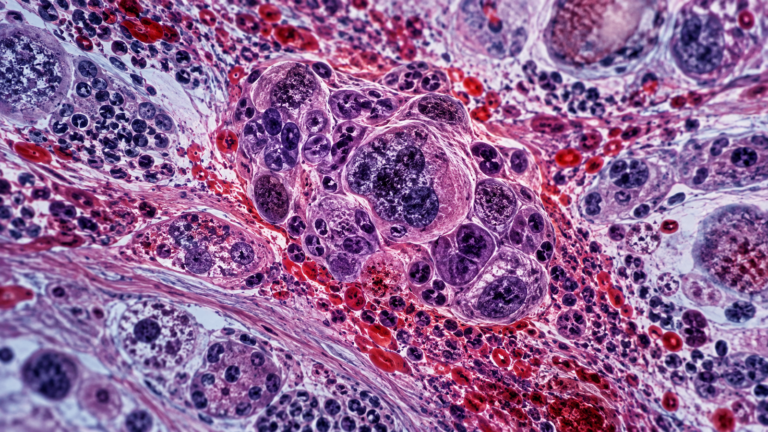
Sickle Cell Disease (SCD) is a condition that lasts for life. Turning normal blood cells into sickle shapes, SCD presents a whole host of challenges. One of them, unfortunately, is the onset of sometimes extremely painful episodes. Triggered by blood flow blockages to tissues and organs, these ‘pain crises’ cannot be mistaken.
When these flare-ups occur, quality of life becomes paramount. Fortunately, while disrupting and even downright scary, SCD pain crises don’t have to dominate your life.
Here are five types of SCD crises and what you can do.
Most people with Sickle Cell Disease will experience VOC the most. A common pain crisis, VOC happens when sickle cells block blood flow in tiny vessels. And you’ll know it. The symptoms range from severe pain in the joints, chest, and bones to swelling of the extremities. Fever often happens too.
The first thing to do is to try to prevent VOC, which can be done by hydrating constantly. This can prevent the sticking of cells that lead to blockages. If you’re already in crisis and the pain is strong, try over-the-counter pain relievers such as acetaminophen or ibuprofen.
If the pain gets too much to bear, your doctor can prescribe opioids. Warm compresses on areas of pain are also useful, as is ample rest to recover from the crisis.
Affecting the lungs, ACS can be a life-threatening condition requiring immediate medical intervention. Caused by sickle cells clogged in the vessels of the lungs, ACS can bring inflammation, infections, and trouble breathing.
Common symptoms include fever, fast breathing, cough, difficulty breathing, and pain in the chest. When it comes to ACS, don’t try to take matters into your own hands. Even if you just suspect it, get medical attention right away. Oxygen therapy will be used to get your blood-oxygen levels back up. You may also receive antibiotics if you’re infected.
In rare cases, a blood transfusion can help to provide non-sickle cells.
RELATED: Sickle Cell: Minimize Your Crisis by Staying One Step Ahead
Unlike the previous conditions, aplastic crisis isn’t about sickle cells causing blockages. Rather, it occurs when your body stops making new red blood cells. This can lead to serious anemia, which causes fatigue, difficulty breathing, ashen skin, and a fast pulse.
Because aplastic crisis is often triggered by a parvovirus B19 infection, treating the infection is your first step. Blood transfusions may also be necessary. With a transfusion, you can get a handle on the anemia and increase the number of red blood cells in your body.
Hand-foot syndrome is basically what it sounds like. You’ll know you have it because your hands and feet will swell and hurt. Dactylitis is also one of the very first issues to occur in babies and children with Sickle Cell Disease.
To treat the condition, stay on top of your fluid intake, and manage pain with OTC or prescription meds. Warm compresses can also relieve areas of pain and swelling.
Last but not least is splenic sequestration crisis, which stems from sickle cells clogging the spleen. When this happens, your spleen bloats, and a critical protein in your red blood cells, hemoglobin, decreases. Because this crisis can be fatal, you should always consult medical attention if you suspect it.
The crisis is characterized by sudden and extreme pain where your spleen is located (left side of the abdomen). You may also notice a pale skin tone, weakness, and fatigue.
When this happens, don’t play around. Call 911 or seek immediate medical attention. Blood transfusions can help, and in some cases, a splenectomy to remove your spleen may be necessary.
RELATED: Living With Sickle Cell Disease? Here Are The Best Ways To Prevent a Pain Crisis
If you’re diagnosed with Sickle Cell Disease and are looking to make the most of your life, it doesn’t have to be difficult. The first thing you need to do is stay hydrated. All day, every day. Drink even when you’re not thirsty, as this can prevent your sickle cells from clumping.
Be sure to also avoid triggers, like excessive stress, high altitudes, and very high or low temperatures. See a hematologist regularly and adopt a healthy lifestyle filled with nutritious foods, consistent exercises, and relaxation techniques.
Many sufferers with SCD find meditation and yoga to be very useful. And always, always, always seek support networks. There are plenty of splendid organizations and groups online where you can connect with people just like you to share experiences, tips, strategies, and words of comfort in dealing with the disease.
While SCD can pose significant challenges, it doesn’t have to control your life. If you face the condition with a comprehensive approach, you’ll be surprised how much better you’ll feel, and how much happier you’ll be!


By subscribing, you consent to receive emails from BlackDoctor.com. You may unsubscribe at any time. Privacy Policy & Terms of Service.