Research has shown that cancer patients in rural areas have lower survival rates than those in urban areas. For example, cancer death rates between 2011 and 2015 were 180 per 100,000 people in rural areas and 158 per 100,000 people in urban areas, according to the U.S. Centers for Disease Control and Prevention (CDC).
But in the study, researchers found that the survival rate gap narrowed when both urban and rural cancer patients participated in clinical trials. A review of cancer clinical trials contends that the differences in survival rates between rural and urban cancer patients may be due to the kind of care they receive.
The study examined nearly 37,000 cancer patients from across the United States who participated in phase 2 or phase 3 clinical trials between 1986 and 2012. The patients had any of 17 types of cancer, including brain, breast, colon, leukemia, lung, lymphoma, ovarian, and prostate tumors.
In the five years after enrollment in the trials, there was no significant difference in survival rates between rural and urban patients for all cancer types except one. Rural patients with estrogen receptor-negative, progesterone receptor-negative breast cancer didn’t live as long as urban patients.
That may be due to a number of factors, such as timely access to follow-up chemotherapy after their first round of cancer treatment, according to the SWOG researchers, the international cancer clinical trials network funded by the U.S. National Cancer Institute (NCI).
“These findings were a surprise, since we thought we might find the same disparities others had found,” said study co-leader Joseph Unger, a SWOG biostatistician and health services researcher at Fred Hutchinson Cancer Research Center in Seattle.
“But clinical trials are a key difference here. In trials, patients are uniformly assessed, treated, and followed under a strict, guideline-driven protocol. This suggests that giving people with cancer access to uniform treatment strategies could help resolve the disparities in outcomes that we see between rural and urban patients,” Unger said in a SWOG news release.
“If people diagnosed with cancer, regardless of where they live, receive similar care and have similar outcomes, then a reasonable inference is that the best way to improve outcomes for rural patients is to improve their access to quality care,” Unger concluded.
ClinicalTrials.gov is the largest and most reliable public registry of trials worldwide.
You can search by:
Condition (e.g., membranous nephropathy)
Location (state, city, country)
Intervention/treatment
Study phase (I–IV)
Recruitment status (e.g., currently enrolling)
How to use it:
Go to ClinicalTrials.gov
Use the search bar to enter the disease or drug name.
Click Recruiting and Not Yet Recruiting if you’re looking for open options.
Filter by location, age criteria, phase, etc.
Click a study to view contact information, eligibility, and purpose.
These often have more user-friendly interfaces.
BlackDoctor’s Clinical Trials Resource Center is another great resource to find clinical trials. Our database regularly shares the latest cancer clinical trials seeking participants from diverse backgrounds.
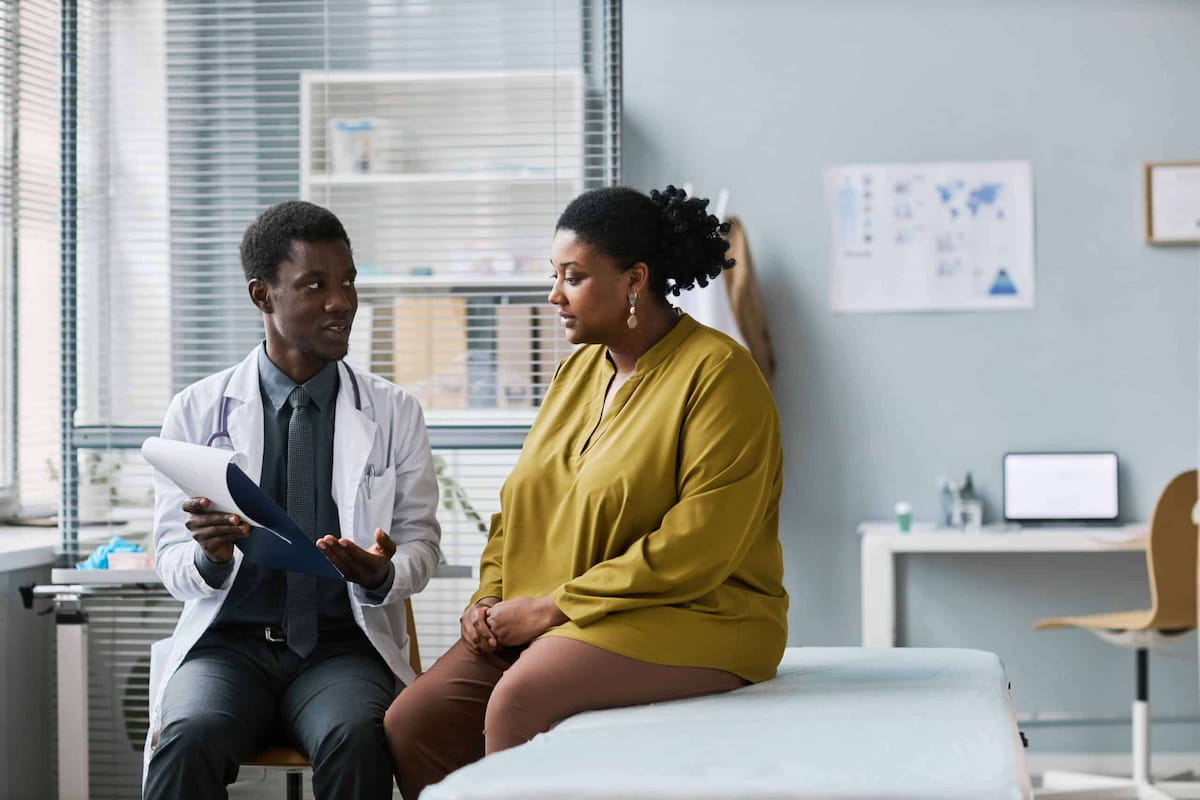
Doctors, research hospitals, and academic medical centers often know about trials before they appear in public databases. A nephrologist, oncologist, or endocrinologist can:
Review eligibility requirements
Refer you to trial centers
Help assess benefits vs. risks
Universities and hospital networks almost always run trials. Their websites usually have Research or Clinical Trials tabs. Examples:
Mayo Clinic
Cleveland Clinic
Johns Hopkins
Harvard-affiliated hospitals
Large cancer centers (MD Anderson, Memorial Sloan Kettering)
Keep note of:
What you need to check:
Why it matters:
You can also email coordinators directly (their contact info is listed in the trial posting).
SOURCE: SWOG, news release, Aug. 17, 2018



By subscribing, you consent to receive emails from BlackDoctor.com. You may unsubscribe at any time. Privacy Policy & Terms of Service.