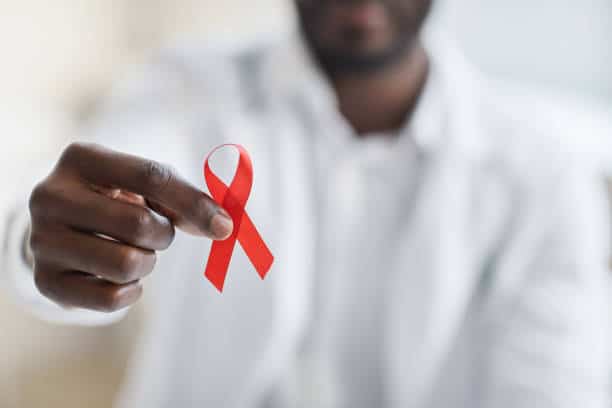
More than 40 years have passed since the CDC reported the first cases of HIV in the United States. In that time, we’ve witnessed extraordinary scientific and medical progress—advancements that once seemed unimaginable. These breakthroughs were made possible through collaboration among people living with HIV, healthcare providers, advocates, government agencies, and the communities most affected by the epidemic.
Today, we stand closer than ever to ending HIV. Yet rising infection rates—particularly among Black and Latine communities—pose a serious threat to that goal.
At the start of the epidemic, people lived only two to ten years after receiving an HIV diagnosis. Today, thanks to advancements in and increased access to antiretroviral therapy (ART), more than half of people living with HIV in the U.S. are over the age of 50. What was once a complex condition requiring a specialist to manage care can now be treated by a primary care provider with multiple options for treatment available, such as single pill regimens and long-acting injectables.
HIV prevention has also transformed. In the early years, there were few reliable options for HIV. Today, we have a toolkit of biomedical interventions, including pre-exposure prophylaxis (PrEP), that can reduce the transmission of HIV through sex by 99%. Effective ART enables people living with HIV to achieve an undetectable viral load—meaning the virus is so suppressed it cannot be measured by standard lab tests. The science behind “Undetectable = Untransmittable” (U=U) confirms that individuals with undetectable HIV levels cannot transmit the virus sexually to a partner, a concept known as Treatment as Prevention (TasP), supported by extensive clinical research. Promoting U=U not only reinforces the power of ART but also helps reduce stigma by shifting the narrative around HIV and sexual health.
In a significant development, the CDC recently endorsed a twice-yearly injectable option for HIV prevention, based on compelling clinical trial data showing over 99.9% efficacy in preventing HIV. This long-acting PrEP approach represents a transformative advancement in HIV prevention, particularly for Black communities where barriers to daily medication adherence and access remain high. The availability of a biannual injectable option offers new hope for expanding protection and reducing disparities in HIV prevention.
Yet despite these advancements, not all communities are sharing the benefits of scientific progress. Black and Latine communities continue to be disproportionately impacted, even as new HIV diagnoses have declined among white men. According to the CDC, only 13 percent of Black people who could benefit from PrEP have been prescribed it. We understand how HIV is transmitted, and we know how to prevent and treat it. But without broader and more equitable access to testing, prevention, education, and options like PrEP, the epidemic cannot come to an end.
NMA is proud to partner with companies like Gilead Sciences that share our commitment to ending the HIV epidemic. Together we’re working to create a healthier future for all.
Even with all the medical advances we have made, stigma and lack of awareness remain two of the greatest barriers to ending the epidemic. The federal government shut down on October 1 after lawmakers failed to agree on a budget, with healthcare spending at the heart of the impasse. If the proposed federal funding cuts go into effect, they will create yet another barrier for those who rely on these vital services.
Federal support is critical to sustaining momentum in the fight to end HIV. Without it, we risk losing years of progress. One of the proposals would cut nearly $2 billion in HIV prevention and treatment, including the full elimination of the federal HIV prevention and surveillance program, risk pushing the goal to eliminate HIV within our lifetime further out of reach. This is not just a setback for science—it’s a setback for equity.
As healthcare providers, we have a critical role to play in conversations that save lives. For Black providers in particular, the opportunity to normalize PrEP among all the communities we serve is especially powerful. It is our responsibility to ensure our communities have clear and accurate information about testing and PrEP options, empowering them to take charge of their sexual health. Too few even know these medications are available to protect them from HIV. In 2022, only 36% of the 1.2 million people who could benefit from PrEP were prescribed it.
As health care leaders connected to Historically Black Colleges and Universities (HBCUs) it becomes increasingly important to not only increase availability of medications like PrEP but to ensure that our young people choose prevention as a cultural expectation.
Ending the HIV epidemic is our collective responsibility.
As individuals, we can speak openly with our partners, spouses, children, and other family members to help reduce the stigma around HIV and PrEP.
As healthcare providers, we can normalize conversations about HIV with our patients and ensure they know their prevention and treatment options.
As consumers and patients, we can call on corporations to drive real change by forming public-private partnerships that support employees who need or want PrEP and make it easier for them to access prevention and treatment services.
As people of faith, we can partner with our communities to create initiatives that reduce stigma, encourage testing, and drive authentic dialogue about prevention.
As the National Medical Association President, I reaffirm our organization’s commitment to prioritizing patient well-being and advocating for greater, more equitable access to PrEP and other HIV prevention and treatment options.
We all have influence—and a responsibility—to act. As Black providers, we are uniquely positioned to drive change through culturally competent, whole-person care. Now more than ever, we must stand in the gap for our patients and communities, reminding them that HIV is both treatable and preventable. Together, we can move closer to ending the epidemic within our lifetime.

Dr. Roger A. Mitchell, Jr., MD is the 126th president of the National Medical Association. He is a tenured professor of Pathology at Howard University and serves as the director of the Howard University Center of Excellence for Trauma and Violence Prevention, leading outreach efforts to decrease gun violence in the District of Columbia. Dr. Mitchell also previously served as president of the Howard University Hospital and is board certified in anatomic and forensic pathology by the American Board of Pathology.


By subscribing, you consent to receive emails from BlackDoctor.com. You may unsubscribe at any time. Privacy Policy & Terms of Service.