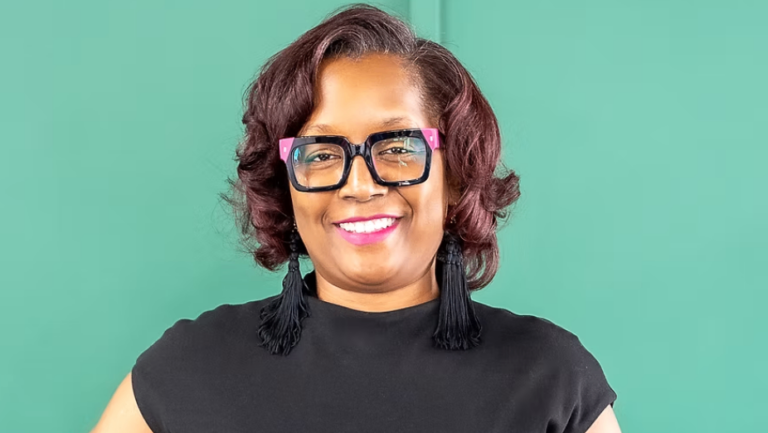
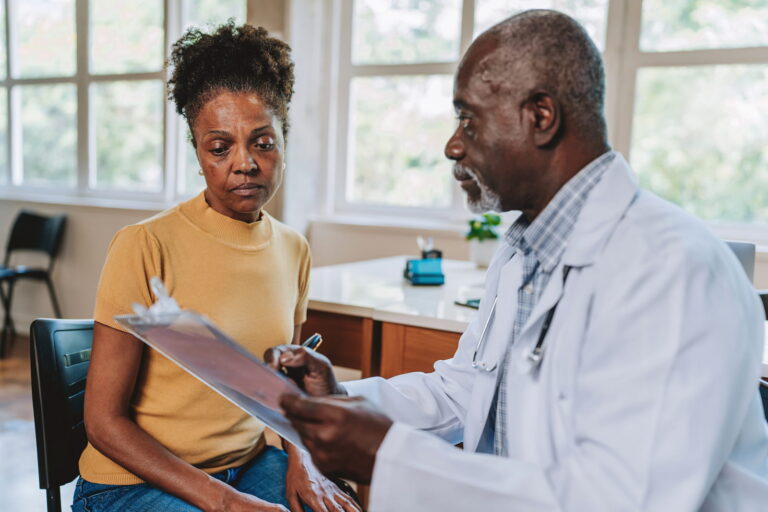
Real-world data (RWD) is becoming increasingly important for understanding how well medications and treatments work in everyday settings, especially for diverse populations like Black communities. It offers valuable insights beyond the controlled environment of clinical trials. In a Facebook Live town hall with patient advocate Ricki Fairley, Dr. Lynn McRoy and breast surgeon Dr. Monique Gary, BDO shares how RWD plays a crucial role in saving the lives of Black women.
Real-world data (RWD) is information about health and health care collected outside of tightly controlled clinical trials. It comes from various sources that reflect everyday medical practices. Here are some examples of RWD:
Clinical research often lacks diverse participants, particularly Black individuals. Dr. Lynn McRoy from Pfizer highlights this issue: limited initial trials might not capture how a drug works in different populations, especially when those populations are underrepresented. RWD helps bridge this gap by providing data from real-world settings where diverse patients are better reflected.
Clinical trials often exclude patients with multiple health conditions, which are common in the general population, including Black communities. RWD captures patients’ experiences in real-world settings, reflecting the diversity of health backgrounds and socioeconomic realities. As Dr. McRoy explains, analyzing RWD requires understanding the context of the data to draw meaningful conclusions. “Sometimes real-world information, there may not be context,” Dr. McRoy told BDO. “You might not have the information to make relative sense of things. Right. But when you can look at that information and try to understand what population does it represent [and] where the appropriate statistics apply.”
RWD can identify potential discrepancies in treatment outcomes or side effects among different populations, including Black individuals. This information is crucial for developing targeted approaches to address these disparities and promote health equity. Dr. Monique Gary emphasizes the lack of data specific to Black women, highlighting the need for more comprehensive data to inform even basic healthcare guidelines. “For Black women, we just don’t have data,” said. “We just don’t have enough data.”
RWD offers valuable insights into patient experiences, preferences, and quality of life, which traditional clinical trials often overlook. Dr. McRoy explains how RWD complements clinical trials by providing information on how a drug works in real-world settings, adding to the understanding of its effectiveness. “When we then get large samples of data from large numbers of patients who’ve been treated, we can balance those characteristics and come up with information that complements what we’ve learned in the clinical trial,” she said.
RWD empowers patient advocacy groups and individuals to understand treatment options and make informed decisions about their healthcare. Ricki Fairley emphasizes the value of RWD in demonstrating how a drug performs in real-world situations, allowing patient advocates to confidently share this information with others.
While RWD can’t replace the strictness of randomized controlled trials, it offers a valuable complementary perspective. This combined approach can help address the underrepresentation of Black individuals in clinical research and lead to more equitable and patient-centered healthcare.
To learn more about clinical trials for Black folks, discover our Clinical Trials Resource Center.

By subscribing, you consent to receive emails from BlackDoctor.com. You may unsubscribe at any time. Privacy Policy & Terms of Service.