Q: What are some of the top conditions that people who’ve been living with HIV for a longer period of time tend to suffer from? In addition to the right medication regimen, what are some things that people continuing to live with HIV need to know to remain healthy?
A: This is an important question. The widespread use of potent combination of drugs that can totally suppress HIV replication and restore immune function has dramatically extended the lives of HIV-infected individuals. A lot of the infections that were killing patients in the 1980’s up to the mid-90’s are being seen far less frequently. As a result of living much longer, HIV positive patients were now coming in with other conditions that are commonly associated with getting older: Heart Disease, Cancers, Diabetes.
Researchers and clinicians are trying to understand whether people with HIV age faster than people without HIV, and as a consequence, whether they develop certain diseases earlier in life than people without HIV.
Scientific research is starting to reveal how chronic HIV infection affects the risk of other diseases. When you get a cold or the flu, you may be sick for a few days, but then you completely recover from the illness. Once a person is infected by these viruses, it takes the immune system a few days to launch an effective attack against them and eventually eliminate them.
When a person is infected with HIV, the immune system launches an attack against the virus. But the immune system only has limited ability to control HIV and cannot eliminate it like the cold or flu viruses. The immune system is continuously “revved up “ attempting to control a virus that can escape the immune attack. This hyperactive state of the immune system produces chemicals in the blood that indicate an inflammatory state. The continuously active immune system is actually causing tissue damage similar to what we see in patients with inflammatory conditions like arthritis or lupus. These inflammatory chemicals can contribute to atherosclerosis, an inflammation of the blood vessels that can lead to heart disease. When HIV medicines suppress the virus, the level of these inflammatory compounds is reduced in the blood, but still remains somewhat elevated. Staying on suppressive HIV treatments will help until we learn the best way to control the inflammation.
Patients who have been infected with HIV for a long time, and those who were diagnosed with advanced disease need to be very pro-active about reducing risks for heart disease and diabetes. Patients should work with nutritionists/dieticians, who can evaluate their current dietary patterns and make suggestions for healthier, low-cost alternatives. Patients should focus on diets low in saturated fat and salt, rich in natural anti-oxidants and high in fiber. Increasing physical activity in conjunction with diet is essential.
Unfortunately, some of the HIV medicines may increase risk for heart disease by increasing cholesterol and triglycerides. All patients should have lipid analysis done at each clinic visit (total, LDL and HDL cholesterol and triglycerides measured while fasting). Some Protease Inhibitors (Kaletra, Lexiva , Norvir) and HIV drugs from other classes may increase lipids. If this happens, medicines can be added to control this problem. Protease Inhibitors like Reyataz and other HIV meds like Isentress and Selzentry are less likely to cause these problems. Discuss with your medical providers treatment options that are more Heart-friendly. The other problem we encounter is that a lot of black HIV patients already have hypertension, diabetes and obesity. These conditions may restrict some of their treatment options. Be as committed to taking your anti-hypertensive and diabetes medicines as you are for your HIV medicines.
Also, work with your medical providers and nutritionists to maintain a healthy weight.
One of the most important strategies for reducing cardiovascular risks is to STOP SMOKING!! Smoking is one of the biggest contributors to cardiovascular problems and also can damage the lungs leading to increased lung infections in HIV patients. For patients having difficulty with nicotine addiction, they should discuss using treatments like Zyban or Chantrix with their providers. These medicines, combined with behavioral strategies, can help patients break the addiction.
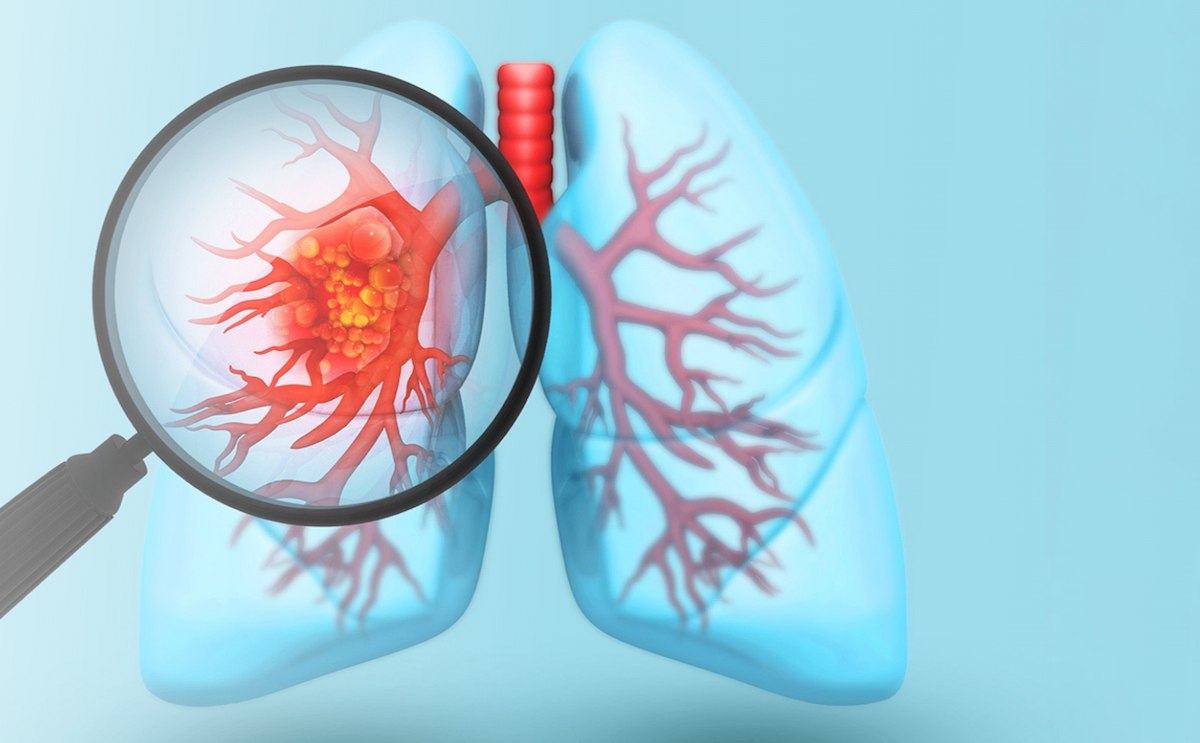
Some cancers that commonly affect HIV patients like Kaposi’s sarcoma and certain types of lymphomas are related to immune suppression. Using effective HIV medications has made these cancers far less common. HIV patients are still at risk for all of the common cancers and should be screened for breast, prostate and colon cancer. Discuss with your medical providers whether you should start screening earlier for these cancers because of your HIV status. Many of these cancers can be treated and “cured” if detected early. The risk for lung cancer may be increased in HIV patients, another reason why it is imperative to stop smoking. HIV positive individuals are at increased risk for cervical cancer in women and anal cancer in both men and women. Both of these cancers are caused by certain strains of the Human Papilloma Virus (HPV). HIV positive women should initially get a pap smear every six months in their first year after diagnosis, and then annually. Anal pap smears should also be performed in men and women by a colorectal specialist. Discuss these tests with your provider.
There also appears to be increased likelihood of HIV patients having lower bone density (osteoporosis/osteopenia) particularly a concern in older patients. Decreased bone density places the bones at increased risk for fracture. The causes of reduced bone density in HIV patients are complex and include inflammation (discussed above), certain HIV medicines and low levels of vitamin D, especially in African-Americans. Your doctor can perform tests to check bone density and also the levels of vitamin D. Calcium and vitamin D can be supplemented if necessary, but be sure to discuss this with your doctor since vitamin D should be used with caution. In men who have been infected with HIV, there may be lower levels of testosterone, a condition called hypogonadism. Older age may increase the risk of this problem, which can contribute to reduced bone loss in men. Your doctor may prescribe testosterone replacement for this condition.
This may seem like a lot to handle but having a good physician, nurse, pharmacist, and other health care providers as part of your team can really help. In spite of the challenges, you can live a long, prosperous life and achieve whatever you desire with HIV infection.


By subscribing, you consent to receive emails from BlackDoctor.com. You may unsubscribe at any time. Privacy Policy & Terms of Service.