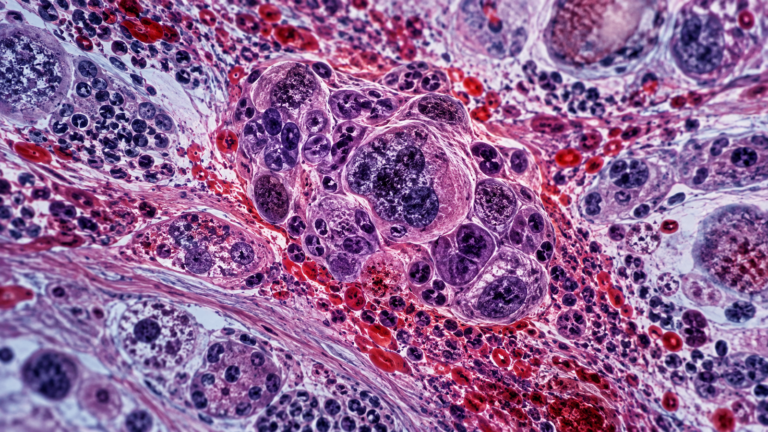
Psoriasis is a chronic autoimmune skin condition that affects millions of people worldwide. Characterized by red, scaly patches on the skin, psoriasis can significantly your quality of life. While there is no known cure for psoriasis, achieving and maintaining remission is a realistic goal for many individuals. In this article, we will explore the concept of psoriasis remission and discuss strategies to help you manage your condition effectively.
Psoriasis remission refers to a period during which the symptoms of psoriasis improve or even disappear. Achieving remission doesn’t mean that the condition is cured, but it does mean that you can enjoy clearer, healthier skin and a reduction in discomfort and itching. Remission can vary from person to person, and its duration can also fluctuate.
If you suspect you have psoriasis or have already been diagnosed, it’s crucial to consult a dermatologist. A dermatologist can provide an accurate diagnosis, assess the severity of your condition, and recommend appropriate treatment options.
Your dermatologist may prescribe medications tailored to your specific needs. These can include topical creams or ointments, oral medications, and biologics. These treatments aim to suppress the immune system’s response, reduce inflammation, and slow down the excessive growth of skin cells.
Topical treatments are applied directly to the affected skin. They can include corticosteroids, vitamin D analogs, tar-based products, and calcineurin inhibitors. These treatments are often effective for mild to moderate psoriasis.
RELATED: If I Have Psoriasis, Am I Going To Get Psoriatic Arthritis?
Phototherapy, or light therapy, involves exposing the skin to ultraviolet (UV) light under medical supervision. UVB and PUVA (psoralen plus UVA) are two common types of phototherapy used to treat psoriasis. This treatment can slow the growth of skin cells and reduce inflammation.
Certain lifestyle changes can help manage psoriasis and promote remission. Stress management techniques, such as meditation and yoga, can be beneficial because stress can trigger psoriasis flare-ups. Additionally, maintaining a balanced diet and staying hydrated can contribute to healthier skin.
Identify and avoid triggers that worsen your psoriasis. Common triggers include smoking, alcohol consumption, skin injuries, and infections. Also, be cautious with certain medications, as some can exacerbate psoriasis symptoms.
Proper skin care is essential for people with psoriasis. Use mild, fragrance-free moisturizers to keep your skin hydrated, and avoid harsh soaps and hot water, which can worsen symptoms.
It’s essential to follow your dermatologist’s prescribed treatment plan consistently. Even if your symptoms improve, continue treatment as advised to maintain remission.
Keep a close eye on your skin for any changes or signs of flare-ups. Early detection and prompt treatment can prevent worsening symptoms.
RELATED: Psoriasis: Your Questions Asked and Answered
Psoriasis remission does not necessarily mean the end of treatment. Achieving remission in psoriasis typically implies your symptoms have significantly improved or even disappeared for a period of time. However, it’s important to understand that psoriasis is a chronic condition with no known cure, and it often has a tendency to flare up again after remission.
Here are a few key points to consider:
While psoriasis is a chronic condition without a cure, achieving remission is a realistic and attainable goal for many individuals. By working closely with a dermatologist, following a treatment plan, and making lifestyle adjustments, you can effectively manage your psoriasis and enjoy periods of clear, healthy skin.
Remember that what works for one person may not work for another, so it’s essential to tailor your treatment plan to your specific needs and work closely with your healthcare provider to achieve and maintain psoriasis remission. With dedication and the right strategies, you can take control of your psoriasis and improve your quality of life.


By subscribing, you consent to receive emails from BlackDoctor.com. You may unsubscribe at any time. Privacy Policy & Terms of Service.