Osteoporosis usually develops quietly. There are usually no warning signs, no pain, nothing that says something is wrong. These bones have been quietly losing density for years, until something breaks.
A stumble, sneeze, or bending to pick something up should not fracture a bone in your body, but for someone with osteoporosis, it can.
Here, we’ll explore what the disease actually is, what puts you at risk for it, osteoporosis symptoms you should watch for, and what can be done about it.
Bone is a living tissue — it breaks down and rebuilds constantly.
Osteoporosis is a condition where the density and mass of bones decrease, and the structure and strength of bones change, according to the U.S. National Institute of Arthritis and Musculoskeletal and Skin Diseases (NIAMS).
Basically, this illness happens when the new bones don’t keep up with the loss of old bone.
It is a primary cause of fractures in postmenopausal women and older men.
It can affect any bone, but it is most often seen in the hip, spine, and wrist.
RELATED: 9 Steps to Great Health After Menopause
Osteopenia is the step before osteoporosis. The Cleveland Clinic describes osteopenia as reduced bone mineral density. The bones are weaker than normal, but not yet at the level of osteoporosis.
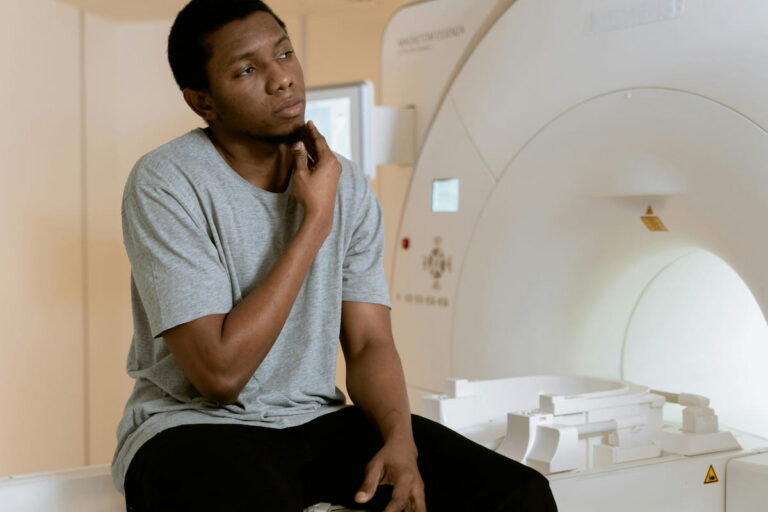
Similarly, it has no symptoms. A bone density screening is the only way to detect it.
Not everyone with osteopenia ends up with reduced bone mass. But that space between the two diagnoses is actually a chance to make the right changes to your diet, exercise, and monitoring, which can slow things down or stop the progression of weakened bones entirely.
Do not sleep on that window.
The Mayo Clinic says the following are fixed risk factors that can’t be changed:
Race and ethnicity are also factors in the research, but for Black women, the bigger issue is often underscreening. Osteoporosis in Black women is underdiagnosed — not because it is rare, but because the screening conversation does not always happen. That means the diagnosis frequently comes later, after more damage has occurred.
The factors that you can actually do something about include smoking, alcohol consumption, calcium and vitamin D levels, physical inactivity, and long-term use of certain medications like corticosteroids.
RELATED: Osteoporosis: Underrecognized & Undertreated
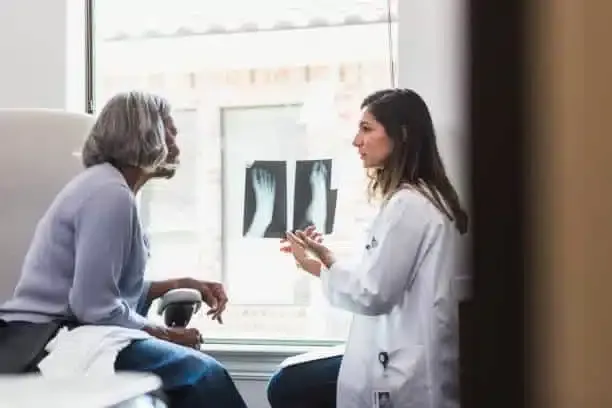
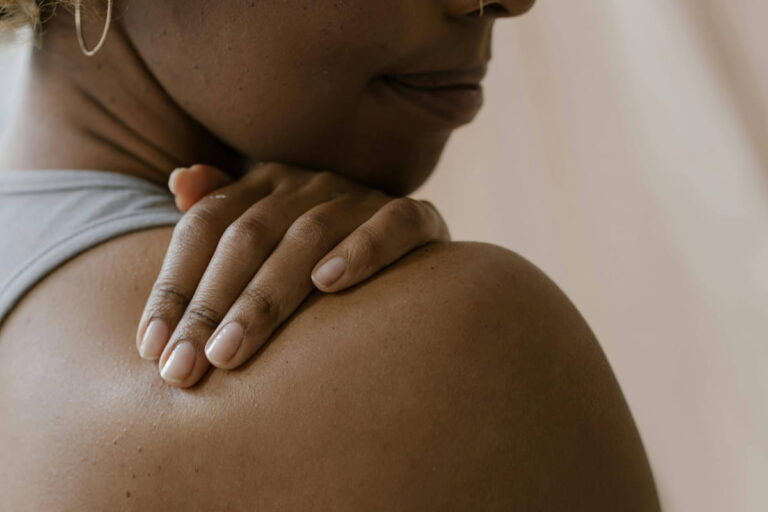
Most of the time, there are no symptoms of osteoporosis. As we mentioned above, this illness develops silently, and for many people, the first real symptom is a fracture that happens with very little force.
When symptoms do show up, they are usually connected to spinal fractures. According to the Cleveland Clinic, here is what to pay attention to:
If any of these are showing up, that is a conversation to have with a doctor as soon as possible.
Getting diagnosed is actually the point where you can start doing something about it.
Treatment is focused on slowing bone loss, bringing down fracture risk, and managing pain. For most people, it is a combination of medication, movement, and what you eat.
Most treatments begin with bisphosphonates, a widely used class of prescription medications. These medications slow the rate at which bone breaks down, according to the Mayo Clinic, and can increase bone mineral density by 5% to 10%. They are taken orally, usually weekly or monthly, or intravenously yearly.
When bone loss is tied to menopause, hormone-related therapies like estrogen replacement may be part of the picture, too.
Bone density levels, fracture history, other health conditions, and medication tolerance all factor in to which medication you can be prescribed.
Have the full conversation with your doctor about your options.
RELATED: 10 Early Signs of Menopause
Medication can only do so much on its own. But what you do daily, how you move, what you eat, and what you quit, also support your well-being.
Food is the other piece of the puzzle for those with low bone density. Calcium and vitamin D together are the foundation: low-fat dairy, leafy greens, canned fish with bones, fortified foods. If your diet doesn’t include these foods and nutrients, you should talk to your provider about supplements.
Finally, smoking and heavy drinking both directly compromise bone density. Those habits work against everything else you are trying to do.
Most people with a bone density condition will never need surgery. But when spinal fractures are severe, two minimally invasive procedures come into play. Vertebroplasty injects bone cement into a fractured vertebra to stabilize it and relieve pain. Kyphoplasty does the same but uses a small balloon first to create space, which can also help recover some of the height lost from compression. Both are typically outpatient.
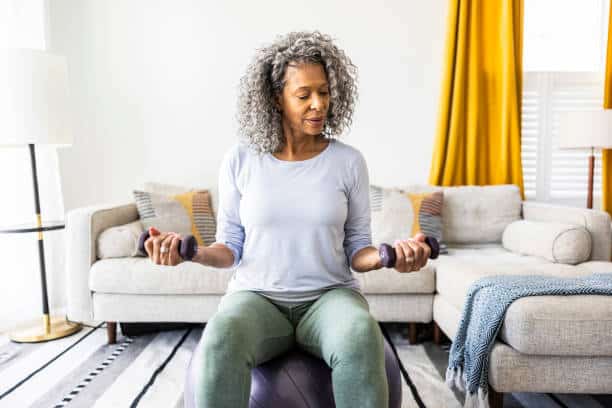
Exercise is one of the most effective tools available for managing osteoporosis, and NIAMS backs that up, sharing that the right routine builds both muscle and bone while slowing further loss.
Weight-bearing and strength exercises are the most helpful.
These include:
Aerobic and strength work build and preserve bone mass. Flexibility and balance training are what keep you from falling — and a fall with osteoporosis is a much bigger deal than a fall without it.
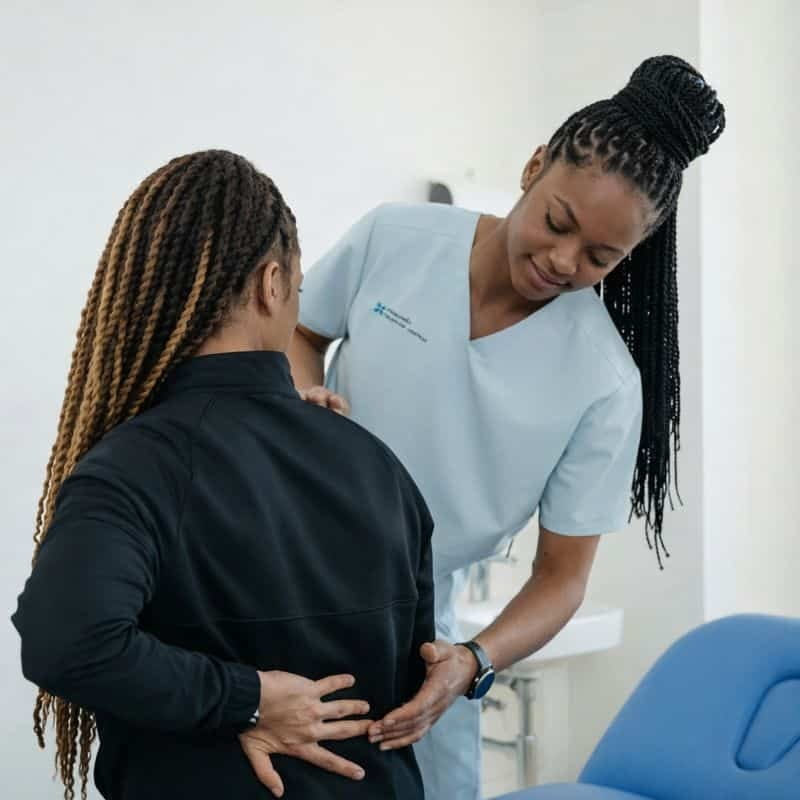
For more advanced declining bone strength, some high-impact exercises are off the table. It’s worth making an appointment with a physical therapist to figure out what is safe for your specific situation.
Our bone density peaks in the late 20s and early 30s. The habits built before any diagnosis are already shaping what comes later. But changes made at any age still have a real effect.
The National Institute on Aging recommends four consistent priorities: adequate calcium and vitamin D daily, regular weight-bearing physical activity, not smoking, and moderate alcohol consumption.
For anyone over 50 — and particularly Black women, who are historically underscreened — asking a doctor for a DEXA scan is a simple, painless step that gives a clear baseline before a fracture makes it urgent.
Do not assume it will be offered. Ask for it directly.
RELATED: Natural Remedies for Osteoporosis
Osteoporosis is a condition where bones become weak and more likely to break because the body loses bone faster than it can rebuild it.
There are usually no early symptoms. For many people, the first sign is a fracture from a minor fall or movement.
Women over 50 are at the highest risk, but men can develop it too. Family history, low calcium or vitamin D, smoking, and certain medications also increase risk.
It’s diagnosed with a bone density test called a DEXA scan, which measures how strong your bones are.
Osteopenia is early bone loss, while osteoporosis is more advanced and comes with a higher fracture risk.
Treatment usually includes medication, exercise, and getting enough calcium and vitamin D.
It can’t be fully reversed, but it can be slowed down and managed to reduce fracture risk.
Walking, strength training, and balance exercises like yoga or tai chi help maintain bone strength and prevent falls.
Most adults need about 1,000–1,200 mg of calcium and 600–800 IU of vitamin D daily.
You can lower your risk by staying active, eating well, avoiding smoking, limiting alcohol, and getting screened.
Most people with osteoporosis live full, active lives. It just requires some adjustments and more intentionality. Staying physically and socially engaged while avoiding injuries and falls is important since isolation and inactivity can worsen your condition.
Talk to your doctor. Talk to your people. The emotional weight of managing a chronic condition is real, and carrying it quietly does not make it lighter.


By subscribing, you consent to receive emails from BlackDoctor.com. You may unsubscribe at any time. Privacy Policy & Terms of Service.