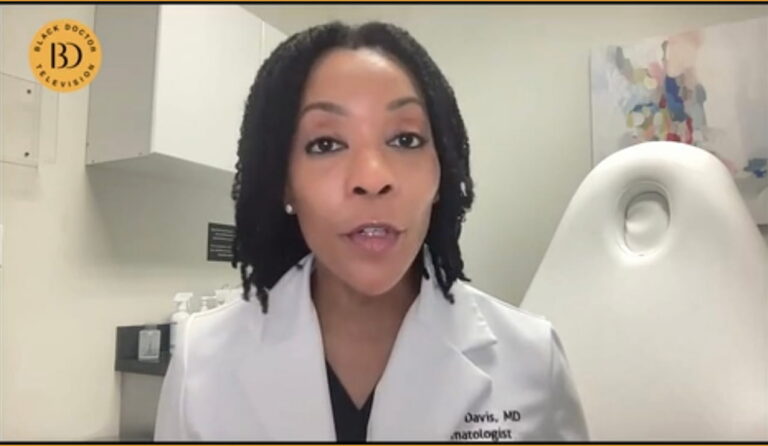
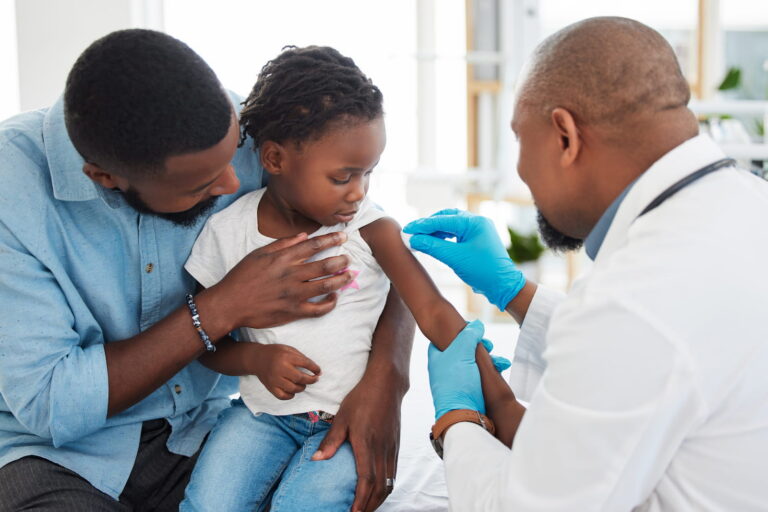
Medical mistrust remains a significant barrier to clinical trial participation among Black Americans. In a recent discussion with BDO’s clinical trials editor Taylyn Washington-Harmon, Audrey Davis, Senior Director of Health Equity at Cancer Support Community, discussed strategies to address this issue and increase diversity in clinical research.
Davis shared her personal experience with clinical trials through her father’s cancer journey. When diagnosed with stage 4 colorectal cancer, Davis’s father was initially hesitant about clinical trials. However, guidance from his brother, a physician, helped him decide to participate:
“My dad, you know, he trusted my uncle. Right? That was his brother, his best friend, someone he’d known since they were children together…He asked him not only his medical opinion but ‘tell it to me like I’m your brother. Tell it to me like I’m someone that you care about who’s best you have at heart.'”
This familial support and trusted medical advice proved crucial in Davis’s father choosing to enroll in a trial that extended his life by two years. Davis emphasized that this experience should be the norm rather than the exception for Black patients:
“It really is my sincere hope…that Black and African American cancer patients and their loved ones…consider participation in clinical trials as part of our treatment options from the moment that we receive a cancer diagnosis.”
To achieve this vision, Davis outlined several key strategies:
Davis stressed the importance of acknowledging both past and present experiences of racism in health care: “We have to recognize that the outreach and the engagement and the education phase is going to take months, if not years, for certain communities because, again, their experiences of being mistreated, the injustices, they’re not only historical. They’re contemporary.”
Rather than one-off events, Davis advocated for consistent relational interaction with communities to build trust over time. She highlighted successful models like the Meharry-Vanderbilt Alliance, which engages local communities around overall health, not just clinical trials.
Davis emphasized the impact of racial concordance: “Making sure that the person who’s engaged in [the] community actually looks like the community…They had an increase in clinical trial enrollment by 50 percent…as a result of just making sure that the person you’re talking to looks like you.”
Recognizing that cost is a significant obstacle, Davis suggested practical solutions like “prepaid parking for clinical trial visits, prepaid…vouchers, something that is given upfront so that the person doesn’t have the added stress, the added anxiety of how they’re gonna float this on their credit card.”
Davis noted efforts by the pharmaceutical industry to make trials more inclusive, including decentralized trials and improving informed consent processes. She stressed the importance of clear, accessible language: “I have had the honor and pleasure of elevating and amplifying our patient voice by participating in meetings and on advisory boards where they develop those informed consent forms…asking very candid pointed questions about the wording of some of these documents.”
Programs like Cancer Support Community’s Peer Clinical Trial Support Program train past Black clinical trial participants to mentor others considering trials. Davis shared a success story from this program: “Lisa had been in remission. Because she was in the surveillance arm earlier ahead of time, she [could learn] that the cancer cells had returned…She believes that as a result of her participating in that treatment trial, that she is within the vast majority of patients who saw a reduction or complete removal of their cancer cells.”
Davis emphasized the importance of discussing health concerns within families and communities: “If I receive a cancer diagnosis, I wanna tell my relatives. I don’t wanna hold that in shame…because that can be life-saving information if someone else knows in my family that they’re at risk.”
By implementing these strategies, Davis believes the medical community can begin to earn trust and increase clinical trial participation among Black Americans. She concluded with a powerful message:
“Without our participation and inclusion in clinical research, the drugs, the treatments that are being developed might not actually help improve our, and when I say our, members of the Black diaspora improve our quality of life or prolong it because the researchers won’t actually have the opportunity to see how we specifically respond to these treatments.”


By subscribing, you consent to receive emails from BlackDoctor.com. You may unsubscribe at any time. Privacy Policy & Terms of Service.