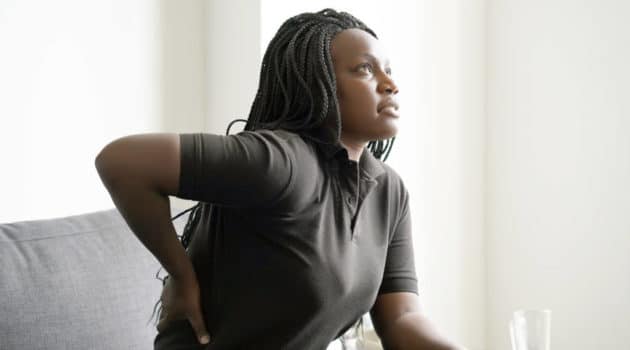
Lower back pain is no joke. Whether it’s from sitting too long at your desk, carrying groceries, or just life’s daily grind, it can throw your whole day off. If you’re searching for lower back stretches to relieve those tight muscles or the best stretches for lower back pain relief, you’re in the right place.
In this guide, we’ll break down simple and effective lower back stretches that you can do at home—no fancy equipment required. Plus, we’re sharing tips to protect your back and keep it feeling good long-term. No confusion, just real, practical moves and advice.
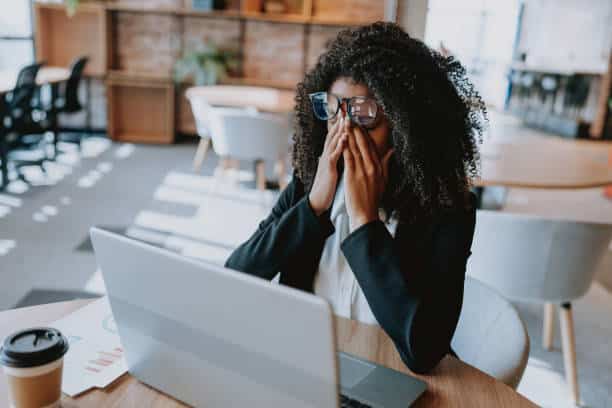
Lower back pain often comes from tight muscles, poor posture, or even stress. Sitting for hours, especially with bad posture, can tighten your lower back and make pain worse.
That’s why lower back stretches are so helpful—they gently loosen muscles, improve blood flow, and release tension.
As Dr. Pamela Mehta, MD, a board-certified orthopedic surgeon and co-founder of Learn at Pinnacle, explains:
“The most common causes of lower back pain I see are muscle strains from overuse or poor posture, herniated discs, and arthritis-related changes. Many of my patients have desk jobs, so back problems related to prolonged sitting are super common.”
Incorporating lower back exercises into your routine is a smart move, whether you’re recovering from injury or just trying to prevent discomfort.
RELATED: What’s Causing Your Upper Back Pain — And How to Treat It
Ready to get started? All you need is a yoga mat! These good lower back stretches target the key muscle groups that tend to hold tension and cause lower back pain. Aim to do them daily or at least 3-4 times a week.
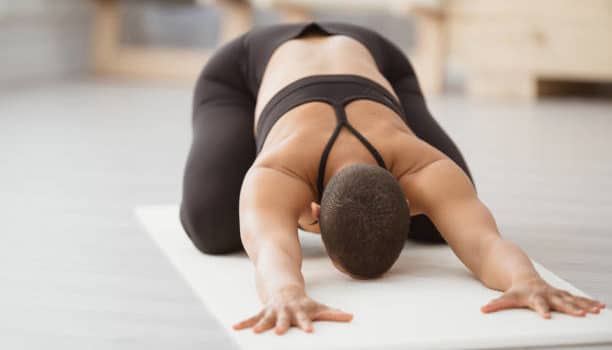
This classic yoga pose stretches the lower back and hips gently.
Kneel on the floor, sit back on your heels, and stretch your arms forward on the floor.
Lower your chest toward the floor and relax your forehead down.
Hold for 30 seconds to 1 minute while breathing deeply.
The Cat-Cow pose loosens your spine and warms up your back muscles.
Start on hands and knees with a neutral spine.
Inhale, arch your back (cow), lifting your head and tailbone.
Exhale, round your back (cat), tucking your chin and pelvis.
Repeat for 10-15 slow reps.
“Cat-Cow stretches … help your flexibility and work great for back pain if you’re able to stretch without too much discomfort,” Dr. Mehta says.
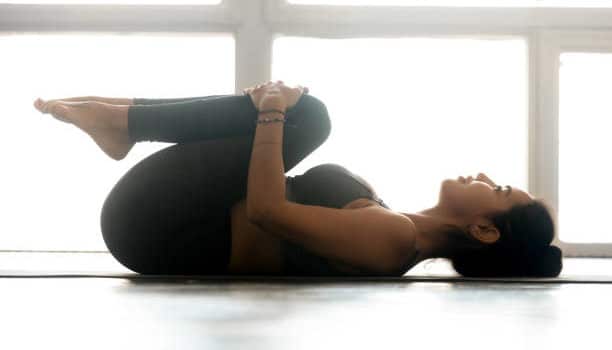
Targets the lower back and glutes.
Lie on your back and pull one knee toward your chest, keeping the other leg bent or straight on the floor.
Hold for 20-30 seconds, then switch legs.
Repeat 2-3 times each side.
Dr. Mehta recommends this stretch for nearly everyone: “Knee-to-chest stretches help relax tight lower back muscles and are gentle exercises.”
Great for spinal mobility and relieving tension.
Sit on the floor with legs extended.
Bend your right knee and cross it over your left leg.
Place your right hand behind you and left elbow outside your right knee.
Twist gently to the right, hold for 20-30 seconds, then switch sides.
Activates and strengthens your lower abdominal muscles while stretching the lower back.
Lie on your back with knees bent and feet flat.
Flatten your lower back into the floor by tightening your abs and tilting your pelvis upward.
Hold for 5 seconds and release.
Repeat 10-15 times.
Want to go deeper into the science behind these stretches? Check out Harvard Health’s advice on how targeted stretching and core-strengthening can speed healing and protect against future back pain.
RELATED: 6 Benefits of Stretching Every Day
Stretching helps most people, but if your lower back pain is severe and lasts more than a few weeks, it’s time to see a healthcare professional.
“Normal” soreness usually comes on gradually and eases within a few days and improves with rest, stretching, and light movement,” Dr, Mehta shares.
The red flags she suggests we look out for?
“Sharp, sudden pain, pain that’s not going away, and pain that radiates down your leg, or comes with numbness, weakness, or changes in bladder or bowel control.”
If you notice any of these (especially any numbness, weakness, or changes in bowel/bladder habits!), Dr. Mehta says it’s time to get checked right away.
Warm up first. Even simple walking for 5 minutes helps loosen muscles.
Don’t bounce. Stretch slowly and hold positions—avoid jerky movements.
Listen to your body. Mild discomfort is okay, sharp pain is not. Stop if you feel pain.
Incorporate core strengthening. Strong abs support your lower back and reduce pain risk.
Mind your posture. Sitting tall with feet flat and shoulders relaxed can ease back strain.
“Your work setup is VERY important if you have a desk job,” Dr. Mehta says. “You should set your chair up so that you’re sitting up tall, with relaxed shoulders and both feet on the floor.”
Whether you have a desk job or something more active, she recommends taking breaks and switching up your routine. Even a few minutes of movement every hour can reset your posture and reduce lower back strain.
Many people ask: what are the best stretches for lower back pain? The truth is, the best ones are those you’ll actually do consistently.
Mix gentle yoga poses like Child’s Pose with dynamic stretches like Cat-Cow, and add in targeted moves like pelvic tilts for a well-rounded routine.
Experts agree: consistency and proper technique beat any one “magic” stretch.
In many Black and urban communities, lower back pain can be especially common due to lifestyle factors—long commutes, physically demanding jobs, or caregiving roles. Add to that the reality that cultural norms sometimes discourage slowing down or taking time for self-care, and it’s easy to see how back issues can linger.
As Dr. Mehta explains:
“While causes of lower back pain are often similar across communities, factors like access to care, delayed diagnosis, and physically demanding jobs can affect the experience of Black patients. Historic bias and undertreatment have also created cultural norms of ‘pushing through’ pain, which can lead people to wait longer before seeking help.”
Incorporating lower back exercises into daily life doesn’t need to be complicated or time-consuming. Just five to 10 minutes while watching your favorite show or after work can make a noticeable difference.
Finding easy lower back stretches for pain relief and knowing how to stretch the lower back properly can transform your daily comfort and mobility. You don’t need a gym membership or fancy gear—just a few minutes and commitment.
Back health is self-care, and it’s worth it. So take a deep breath, roll out your mat (or just find a cozy spot), and start stretching your way to a happier, healthier back.
Q: How long should I hold each stretch?
Aim for 20 to 30 seconds per stretch, repeat 2-3 times.
Q: Can stretching worsen lower back pain?
If done incorrectly or too aggressively, yes. Always move gently and stop if you feel sharp pain.
Q: How soon will I see results?
Many people notice improved flexibility and less stiffness in a week or two, but consistent daily practice delivers the best results.


By subscribing, you consent to receive emails from BlackDoctor.com. You may unsubscribe at any time. Privacy Policy & Terms of Service.