(function(d, s, id) { var js, fjs = d.getElementsByTagName(s)[0]; if (d.getElementById(id)) return; js = d.createElement(s); js.id = id; js.src = “//connect.facebook.net/en_US/sdk.js#xfbml=1&version=v2.7”; fjs.parentNode.insertBefore(js, fjs); }(document, ‘script’, ‘facebook-jssdk’));
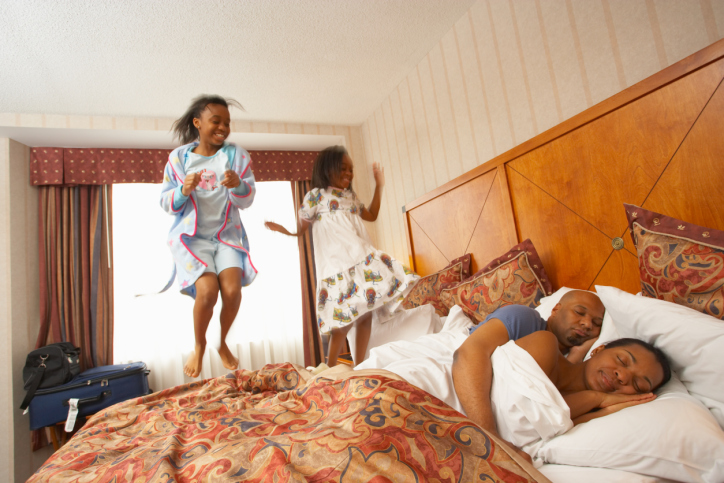
Want to stay away from germs during your next hotel stay? Then don’t turn on the TV or lights without first wiping them down with a sanitizing wipe. Why? New research shows that TV remotes and light switches are among the most contaminated items in hotel rooms.
Featured on BlackDoctor
Researchers from the University of Houston took bacteria samples from several items in hotel rooms in three regions of the United States. While the toilet and the sink were expected to have high levels of bacteria, researchers also found more surprising items with high contamination levels, such as the remote and the switch on the bedside lamp.
Hotel rooms “don’t have to have it ready for surgery,” said study researcher Jay Neal, a microbiologist at the University of Houston, but there certainly is room for improvement in their cleanliness.
The amount of bacteria on the remote may not mean that it’s “any dirtier than at home, but there’s a stranger factor” in a hotel room, said Neal, who oversaw the research performed primarily by student Katie Kirsh.
Housekeepers clean spend about 30 minutes cleaning each room, Kirsh said. If the researchers could pinpoint the most contaminated parts of the room, the cleaning process could be made more effective.
The highest levels of contamination were found in the maid’s cleaning cart, specifically, on the mop and sponge. That’s a problem because it means that bacteria are being carried from room to room, according to the researchers.
Such cross-contamination could be reduced, though, by replacing cleaning liquids during housekeeping shifts, they said.
The lowest levels of bacteria were found on the headboard, curtain rods and bathroom door handle.
The researchers tested for bacteria in general, and did a separate test for cloriform bacteria, which are found in feces and are more likely to cause illness. Both tests showed that bacteria levels in hotel rooms were between 2 to 10 times higher than the levels accepted in hospitals.
The presence of bacteria’s doesn’t guarantee that people will get sick, but it makes it more likely.
So what does this all mean? Here are five of the dirtiest places you should consider not touching in your hotel room:
1. Pillowcases. When the Today show completed a hotel investigation across the country in five of the nation’s top hotel chains, their hidden cameras revealed a common bed-changing practice among maids: placing the pillows on the chair next to the bed while changing the sheets, and then giving the dirty pillows a mere fluff before putting them back. There might not be visible stains, but a surface that’s touched by people’s hair and faces needs to be washed. Ask for new pillow cases before laying down.
2. Remotes. Just think about it, how many fingers have remotes been touched by? Ewwww. A microbiologist took swabs from various items in hotel rooms and found that the remotes in each room ranked the highest on the germ meter and analyzed the results in a lab, where she found “colonies of E. Coli,” among other potentially dangerous contaminates. She noted, “This indicates there was fecal contamination on the remote, so perhaps someone used the restroom and didn’t wash their hands when they were done.” A simple wipe down on the front and back with disinfectant spray should help.
3. Comforters. Think its safer to just lay ON TOP of the bed, think again! The comforters tie the rooms together and make them look nice, but they’re not cleaned in between each use . . . or barely at all! A CNN investigation found…
… that bedspreads “might only be changed four times a year.” (yes, a year!) Bringing an extra blanket if you can is always a good idea so that you can remove the comforter.
4. Drinking Glasses. Proceed with caution before you drink out of a glass or mug in the room. Investigation after investigation has found that many times, maids quickly rinse out used glasses without washing them, or worse, spray them with a cleaning liquid that says “do not drink.” Luckily, most hotel rooms now offer those individual cups wrapped in plastic, so always use those if you can.
5. Phone. Want some room service? You’ll want to clean the phone with disinfecting wipes or spray first. In nearly all the hotels part of the Today show’s investigation last year, the phones were high on the list of the most germ-filled items — sometimes they were three times the limit. Like remotes, phone surfaces are often overlooked during cleaning routines, but they’re some of the most-touched spots in hotels. The takeaway: you can never be too cautious when it comes to hotel germs!


By subscribing, you consent to receive emails from BlackDoctor.com. You may unsubscribe at any time. Privacy Policy & Terms of Service.