While cancer affects people of all backgrounds, Black Americans can experience unique and persistent disparities in cancer outcomes that can make prevention and survivorship strategies especially important to highlight.
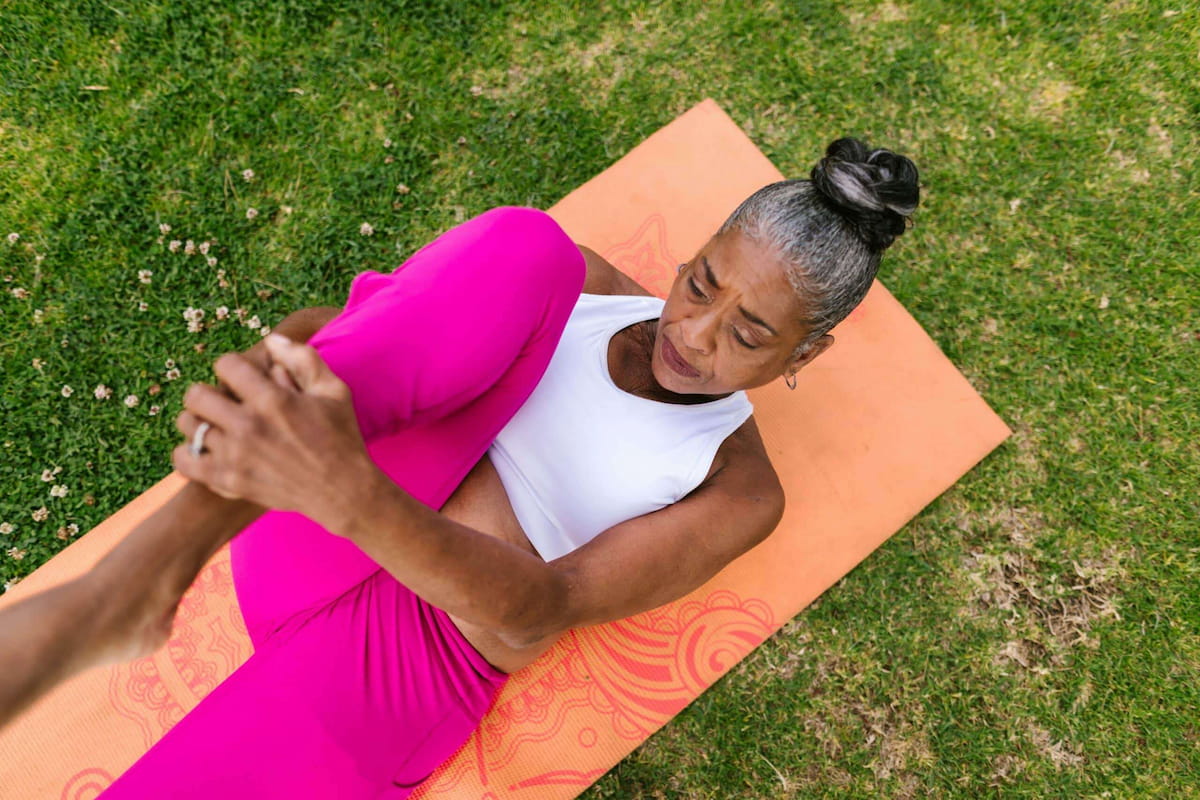
According to research, Black cancer survivors are less likely than white survivors to engage in regular physical activity, even though being active is linked to better survival.
At the same time, structural and environmental barriers—from limited access to safe walking spaces or community centers to financial strain resulting from medical bills—can make adopting healthy lifestyle habits more challenging.
A recent study shows that cancer survivors can lower their risk of cancer-related death by engaging in regular physical activity.
It’s never too late for cancer survivors to become active, a new study reports.
Cancer survivors who engaged in even small amounts of exercise reduced their risk of cancer-related death, researchers reported Feb. 17 in JAMA Network Open.
That risk dropped even more among patients who achieved higher levels of physical activity.
What’s more, lung and rectal cancer patients who started exercising only after their diagnosis wound up with a lower risk of death, researchers found.
The results “may motivate cancer survivors to become as active as they are able after a diagnosis, even if they were not active before,” concluded the research team led by Erika Rees-Punia, a senior principal scientist with the American Cancer Society.
For the new study, researchers pooled data from six large-scale studies, tracking more than 17,000 cancer survivors with an average age of 67.
About 49% of the survivors had been diagnosed with early or mid-stage cancer, the study said. Survivors of bladder (24%), endometrial (22%), and lung (18%) cancers accounted for more than half of the patients.
Results showed that any amount of physical activity lowered the risk of cancer death by 33% for bladder cancer patients; 38% for those with endometrial cancer, and 44% for people with lung cancer.
As exercise levels rose, the risk of death fell for many types of cancer, researchers found.
And compared with survivors who didn’t exercise before or after diagnosis, lung and rectal
cancer survivors had a 42% and 49% lower risk of death if they started working out, the study showed.
However, active people who quit working out following their cancer diagnosis showed no significantly reduced risk of death, researchers found.
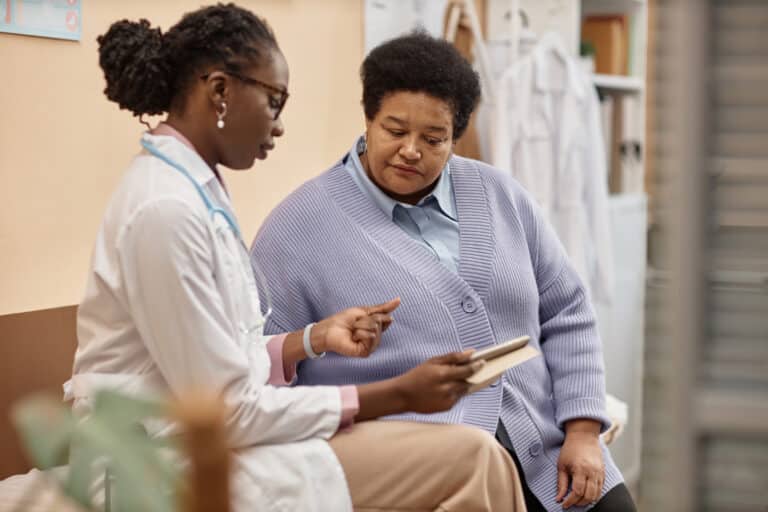
“Physical activity has a significant benefit to cancer patients at any stage in their cancer journey,” Dr. Susan Maltser said in a news release. She’s vice chair for physical medicine and rehabilitation at the Zucker School of Medicine in Uniondale, New York, and director of the Cancer Rehabilitation Program at Northwell Health in Hempstead, New York.
“We know that before they start treatment, during treatment, after treatment, and for life, physical activity and exercise have a significant impact not just on their well-being, but a lot of times, in their cancer trajectory,” said Maltser, who was not involved in the study.
Exercise can help patients combat the frailty that accompanies cancer, she said.
“After cancer treatments, you’ve been knocked down,” Maltser said. “We lose muscle mass from very little activity, so building that muscle mass up is important.”
Cancer patients also have very specific impairments, depending on their cancer, she said.
“For example, patients with breast cancer sometimes have difficulty with shoulder motion,” Maltser explained. “Patients with lung cancer may have difficulty breathing. Patients with a lower extremity sarcoma have poor muscle tone. So, building up whatever was ‘knocked down’ is really important.”
She gives every one of her patients a prescription for exercise, detailing what they should be doing and how often.
While it’s never too late to start exercising, Maltser does recommend starting small, especially if a person has been inactive.
“Take a daily walk. Movement is good for us,” Maltser said. “Lifting is good for us. Dropping an object and bending it down with your knees to pick it up is good for us.”
She urges patients to look for what she calls exercise units.
“So, you went for a walk. You get a couple of units,” Maltser said. “You park farther than you usually do. You get some units. You did not take a shopping cart back to your car, and you carried the bags instead. Those are some exercise units.”
Folks who already exercise should continue, she added.
“And for those who do exercise, we have evidence-based science showing that what they’re doing is really important and just to keep it up,” Maltser concluded.

The findings suggest that even moderate exercise can improve survival outcomes, underscoring its importance as a crucial component of cancer care across all communities. For Black cancer survivors, this message comes at a critical time: improving physical activity rates may help lower some of the survival disparities seen across racial groups, but support systems, culturally relevant programs, and efforts to remove environmental and social barriers are essential to make that change possible.
More information
The University of Texas MD Anderson Cancer Center has more on exercise during cancer treatment.
SOURCES: JAMA Network Open, Feb. 17, 2026; Dr. Susan Maltser, vice chair for physical medicine and rehabilitation, Zucker School of Medicine, and director of the Cancer Rehabilitation Program at Northwell Health


By subscribing, you consent to receive emails from BlackDoctor.com. You may unsubscribe at any time. Privacy Policy & Terms of Service.