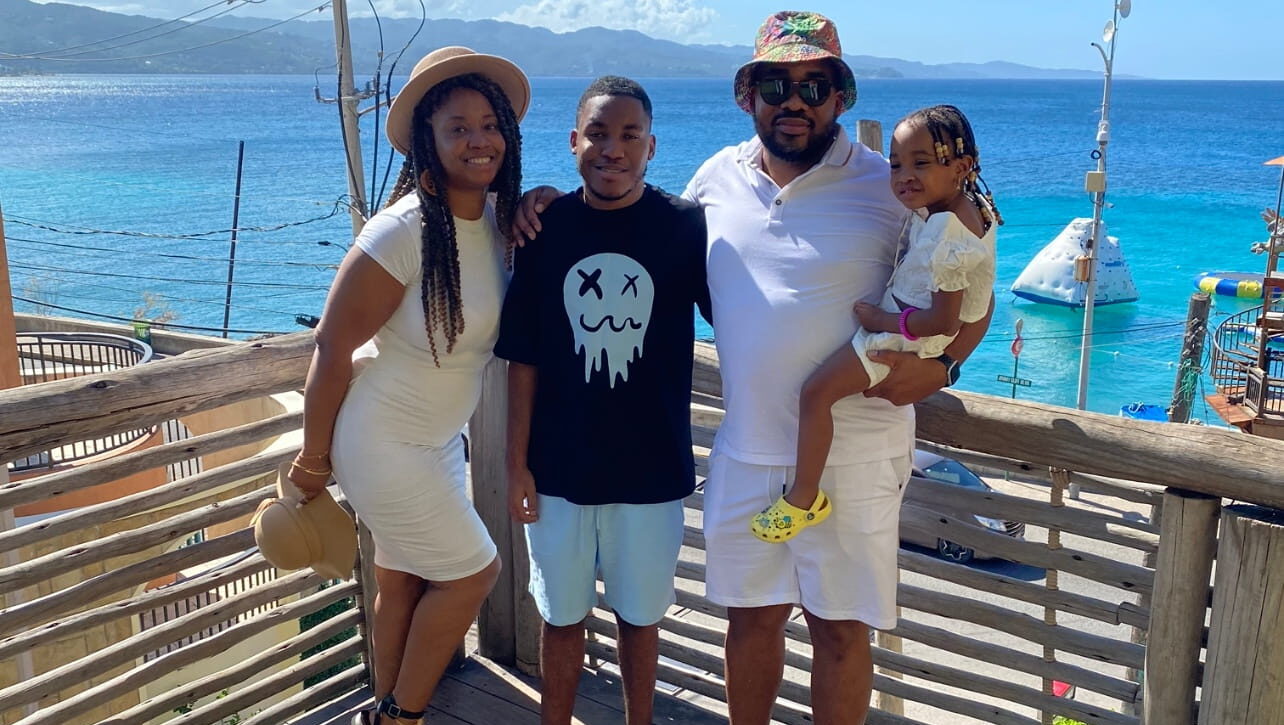
Nearly 10 years ago, Reggie gave his wife, Alana, the ultimate gift: a second chance at life. Today, they are using their firsthand experience as both donor and recipient to educate others about kidney disease, the urgent need for donors, and the importance of equitable access to transplant care.
“I was diagnosed with chronic kidney disease at the age of 13, so that’s been over 30 years ago,” Alana recalls of first receiving her diagnosis. “At the time, I was diagnosed with FSGS [Focal Segmental Glomerulosclerosis], which is scarring of the kidneys.”
Alana actually found out about her diagnosis on a day that she describes as one of the highest highs and lowest lows.
“I was graduating from elementary school, sixth grade, and I went out to eat. We love seafood. I’m from the Washington, D.C., area, so we love blue crabs. We all went out to eat and enjoy the blue crabs, and I noticed shortly after that I started to swell. Initially, we thought it was an allergic reaction to the seafood, and as we left the restaurant, my mom rushed me to the emergency room,” she says.
They thought she would get treated for the little reaction and go about their day. However, a urinalysis and other workup revealed that she had FSGS, a rare form of kidney disease.
The diagnosis was both shocking and devastating.
“It kind of came out of left field, and we just had to get mentally prepared to become warriors and fight the fight of living with chronic kidney disease,” Alana tells BlackDoctor. “I was referred to a nephrologist so they could do further testing and see what stage of kidney disease I was in. As they did that, I was treated with the proper medications to hopefully put me in remission, which I was in for a while.”
Throughout the journey, Alana and her family prepared themselves for the reality that kidney disease is a lifelong disease that can progress over time. She also came to terms with the fact that she might need to be on dialysis or receive a kidney transplant.
RELATED: I Thought It Was Kidney Stones. It Was Stage 4 Kidney Failure.
“I knew that it was possible, given her disease, that she would need a kidney transplant at some point. It was still extremely difficult processing that. I didn’t have too much experience… I didn’t have a background in kidney disease, and I didn’t know much about the disease,” Reggie says.
However, he was able to witness Alana’s first kidney transplant, provided by her brother.
“I was with her through the process, and thankfully, the first donation was preemptive, so he was able to have the transplant done before she needed dialysis,” Reggie adds.
That experience of seeing his brother-in-law go through the donation process helped solidify his decision to become Alana’s second donor. It also made the process much easier.
“I got to see the preparation, the evaluation process, the healing process, and also just see how he was doing post-transplant,” Reggie explains. “So it made my decision much easier, just having a reference point and knowing I could ask any questions.”
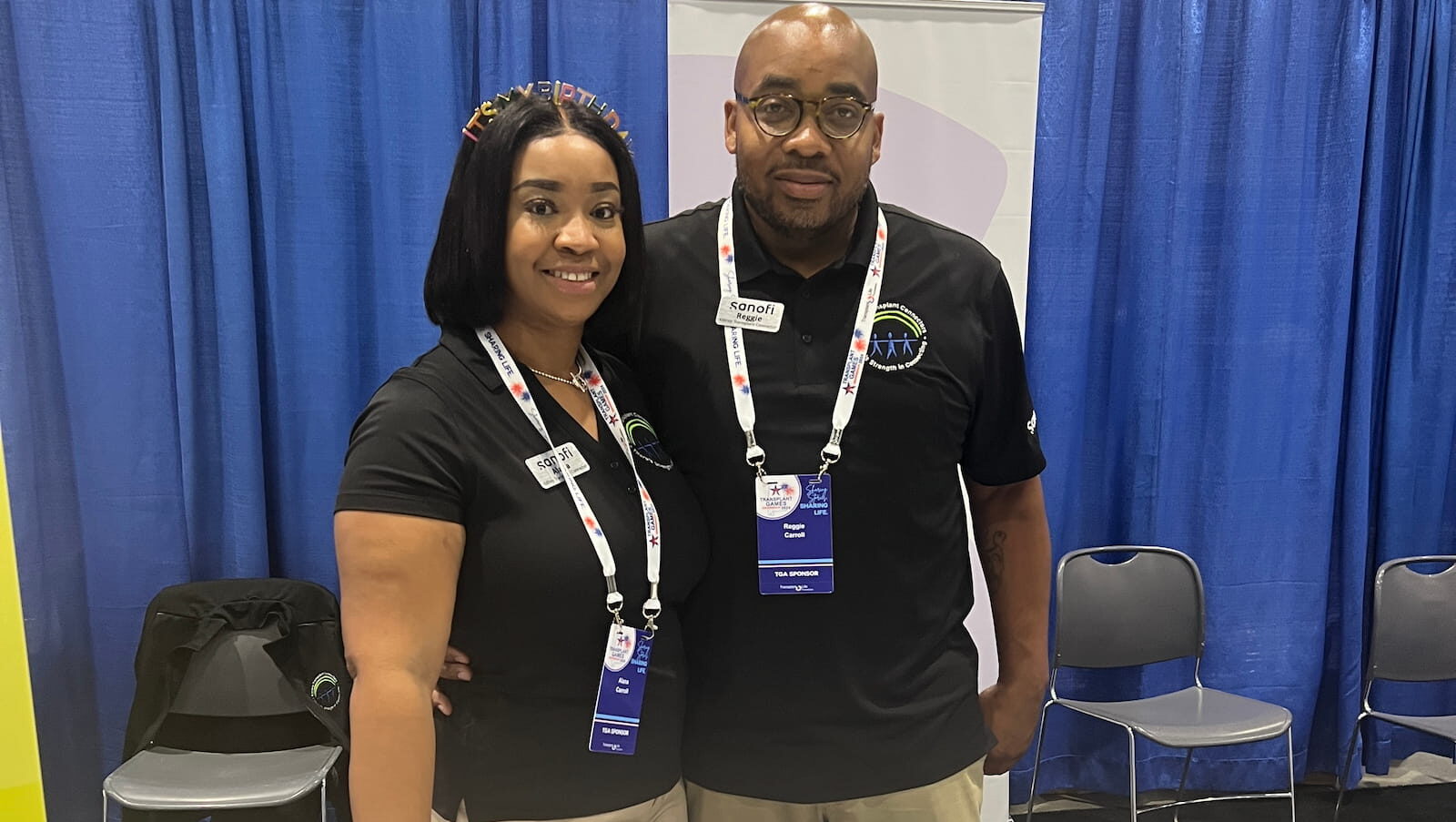
After learning that her first kidney transplant would fail due to her underlying disease coming back, Alana was hoping that she would again get a preemptive transplant, but it didn’t quite work out that way.
Fortunately, testing showed that Reggie was actually a better match than her brother.
“We were all surprised to learn that. But we did face some complications. We found out he had some kidney stones… so that kind of put everything on pause for us,” she shares.
During that time, she ended up on dialysis as they navigated the process of making sure Reggie’s kidney was healthy enough to donate.
Alana describes the process as a roller coaster, but through it all, she learned how to advocate for herself, do more research, and figure out how to navigate the process to shorten her wait time on the transplant waiting list.
RELATED: How I Faced a Rare Kidney Disease in High School and Came Out Stronger
Today, the couple, who are partnering with Sanofi for National Minority Donor Awareness Month (NMDAM), hope to educate more people, especially in the Black community, which is disproportionately impacted by kidney disease.
According to the Office of Minority Health:
“It’s just an amazing opportunity to spread my reach, touch my community, and let them know that they are not alone, and that we do have a kidney community out there and that we do have the support that we need to learn how to navigate this process,” Alana shares. “Getting a second kidney transplant, I knew how to advocate for myself better. I knew how to be resourceful. I just knew how to navigate the process better. I also learned by being on dialysis that many of us had the same concerns and the same needs. And so I wanted to make sure that once I was transplanted and able to get back to my life and my family, that I would reach back to my community and share my personal experience.”
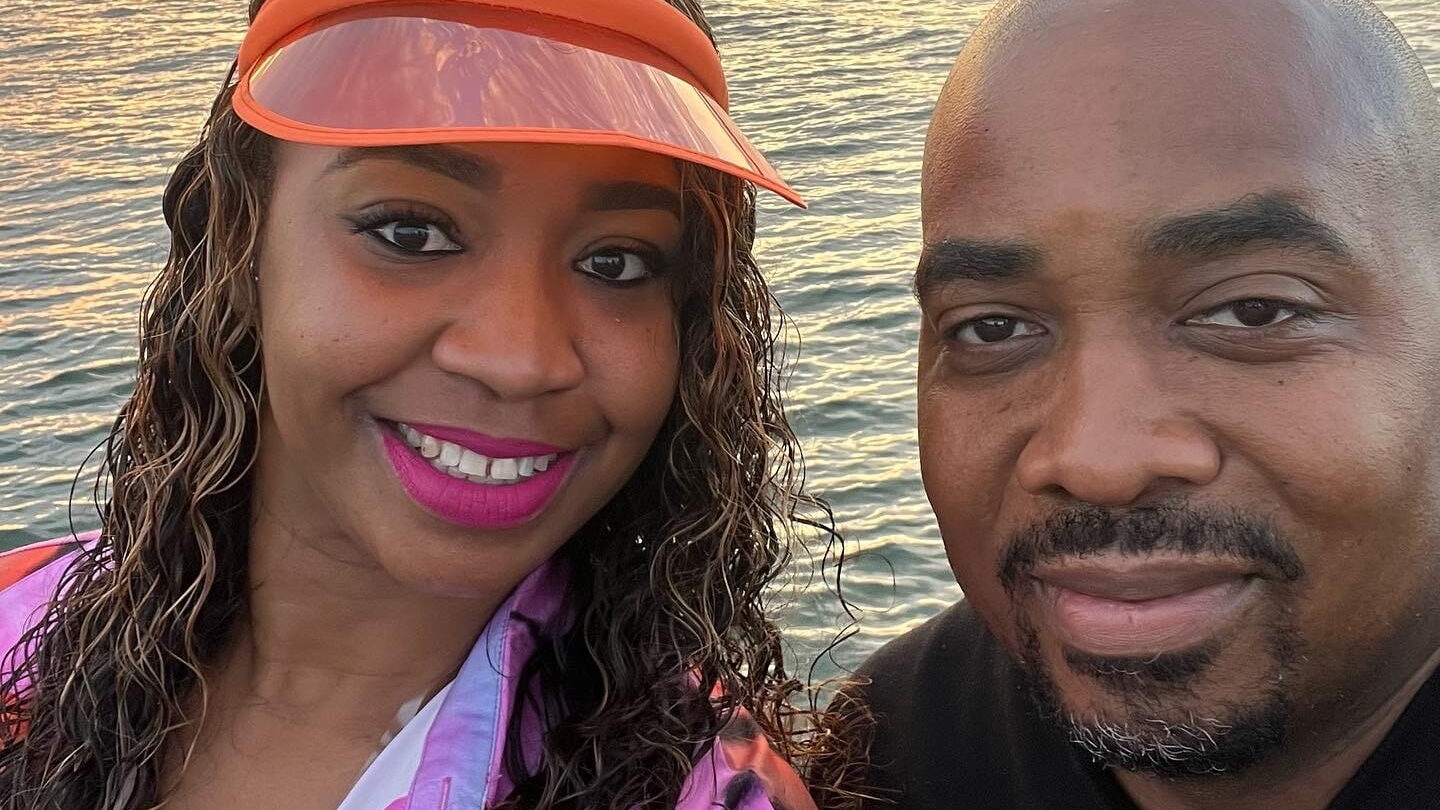
As a donor himself, Reggie hopes their story will encourage more Black donors. He also highlights a common misconception.
“One misconception is that living with one kidney affects your life post-transplant. I’m almost 10 years post-transplant, and I have no complications. I’ve never been back to the hospital for any kidney-related issues,” he says. “So I just want potential donors to know that you can live more or less as you did before. You really don’t notice that you have one kidney. Pretty much everything has been the same.”
Now nearly 10 years post-transplant, the couple is reflecting on the life they were able to build as a result of Reggie donating his kidney to Alana.
“We were able to expand our family, so we have a little girl who will be eight in October. Getting a new kidney from my husband gave us the opportunity to expand our family and just live life on our terms again,” Alana adds. “It also allowed us to team up to be a voice on both ends, as the donor and the recipient, and show what life looks like together as advocates in our community.”
The process of getting on the transplant waiting list or finding a living donor can look similar to Alana and Reggie’s experience, something they hope to show by sharing their story.
“If they can take any point of our story and apply it to theirs to get a transplant sooner rather than later, then we know that it was all worth it,” Alana says.
The couple hopes more families will utilize National Minority Donor Awareness Month as the perfect time to start having conversations about organ donation.
“Just be transparent. Don’t be ashamed to let your family know the need for the kidney. Some people who know you may not know that it’s a need. It was even tough for me, you know, from my wife—we’d been married, and she had a moment of being uncomfortable even bringing the conversation up,” Reggie shares. “But the main thing is to be transparent with your family. We’re all willing to help you out, but they just need to know where you’re at and know the seriousness of the situation.”
Alana echoes Reggie’s sentiment, adding that being vulnerable can help.
“Put yourself out there, even on social media. Let your family maybe research stories of people who have gone through similar processes so they can see what that outcome looks like…many people will learn that the process isn’t as scary as they may think,” Alana shares.
Alana also encourages people to work closely with their healthcare team.
“Understand that your healthcare team is your team, so you need to be working together toward the same ultimate goal. Make sure you work closely with your healthcare team, ask all the questions that you need. Even if you feel like you’re being annoying, just keep asking,” she concludes. “Make sure you know everything you need to know to shorten your wait time on a transplant waiting list.”


By subscribing, you consent to receive emails from BlackDoctor.com. You may unsubscribe at any time. Privacy Policy & Terms of Service.