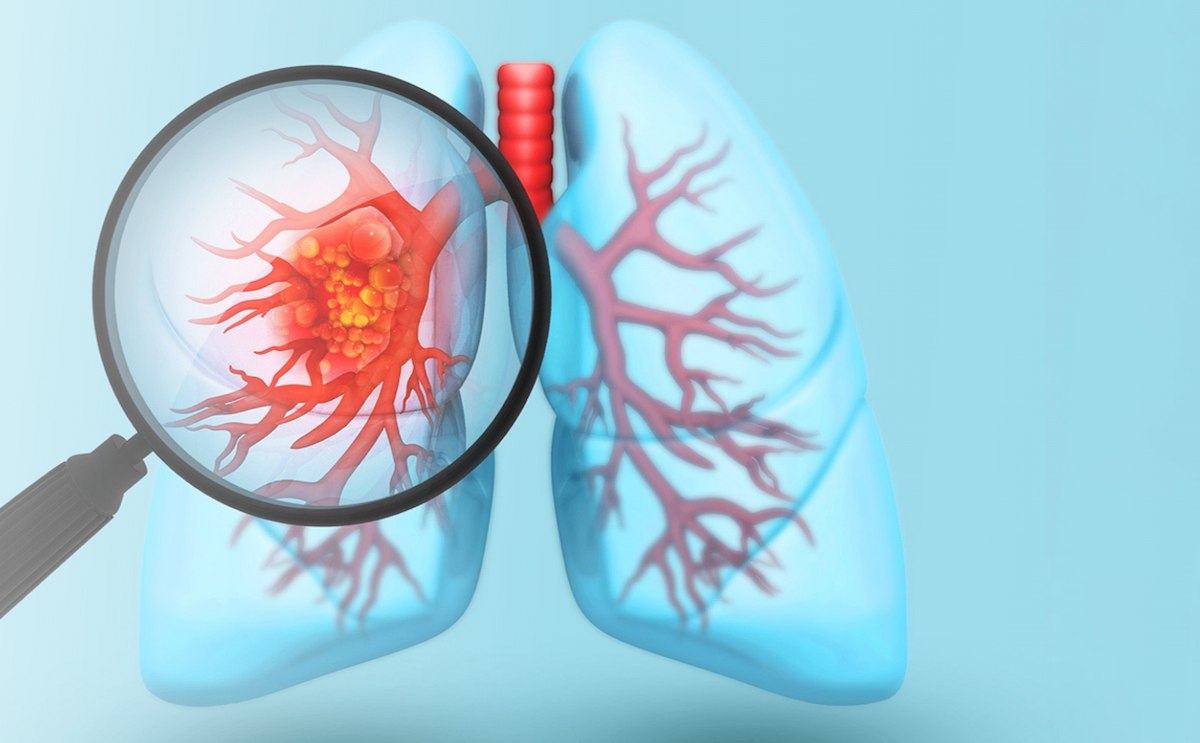
Cancer is a strong adversary, and for many patients, traditional treatments may not always provide the ideal results. In such cases, clinical trials offer hope, providing access to cutting-edge treatments and therapies that could be more effective. If you or a loved one is considering participating in a cancer clinical trial, this 10-step guide will help you navigate the process and find a study that’s the right fit.
Step 1: Talk to Your Oncologist
Your journey begins with your oncologist. Talk to them about clinical trial options. They can provide insight into trials aligning with your diagnosis, stage, and treatment history.
Step 2: Understand the Phases
Clinical trials are an essential part of medical research and drug development. They come in several types, each serving a specific purpose. The most common types of clinical trials include:
Featured on BlackDoctor
Treatment Trials (Therapeutic Trials):
Phase I Trials: These trials are the earliest in the development process and primarily focus on assessing a new treatment’s safety, dosage, and potential side effects. They involve a small number of participants.
Phase II Trials: Phase II trials aim to determine the effectiveness of a treatment for a specific disease or condition. They usually involve a larger group of participants than Phase I trials.
Phase III Trials: Phase III trials compare the new treatment to the current standard treatment, or a placebo, in a larger population. The goal is to assess the treatment’s efficacy, side effects, and overall safety.
Phase IV Trials: These trials occur after a treatment has been approved and is on the market. They continue to monitor the treatment’s safety and effectiveness in a larger, real-world population.
Prevention Trials:
These trials focus on finding ways to prevent specific diseases, including cancer, heart disease, or infections. They may involve interventions like medications, vaccines, lifestyle changes, or dietary modifications.
Screening Trials:
Screening trials evaluate the effectiveness of new screening methods or tests for early disease detection. These trials aim to improve the accuracy and efficiency of diagnosing diseases such as cancer.
Diagnostic Trials:
Diagnostic trials seek to develop and refine diagnostic tests, including imaging techniques, blood tests, or biomarkers, to identify diseases or conditions accurately.
Quality-of-Life Trials (Supportive Care Trials):
Quality-of-life trials assess treatments or interventions designed to improve the overall well-being and comfort of patients. They may focus on managing symptoms, side effects, or psychosocial support.
Observational Trials:
Observational trials do not involve any intervention. Instead, they observe and collect data from participants over time to better understand the natural course of a disease, risk factors, or treatment outcomes.
Crossover Trials:
In crossover trials, participants receive multiple treatments or interventions in a specific order. This design helps researchers compare different treatments within the same group of participants.
Adaptive Trials:
Adaptive trials are flexible in design and can be adjusted during the study based on the accumulating data. This allows researchers to optimize the trial’s efficiency and increase the chances of finding meaningful results.
Bioequivalence Trials:
These trials assess whether a generic version of a medication is equivalent to the brand-name medication in terms of safety and effectiveness.
PK/PD trials investigate how drugs are absorbed, metabolized, and excreted by the body. They also examine the relationship between drug concentration and its effects.
Websites like BDO’s Clinical Trial Resource Center and ClinicalTrials.gov are valuable resources. You can search for trials based on your cancer type, location, and eligibility criteria. Read through the trial descriptions and take notes on those that pique your interest.
Every clinical trial has specific eligibility criteria, such as age, cancer type, and previous treatments. Consult the trial coordinator to ensure you meet these requirements.
Step 5: Evaluate Trial Risks and Benefits
Discuss the potential risks and benefits with your healthcare team. Weigh the potential advantages of the new treatment against any possible side effects.
Step 6: Ask Questions
Prepare a list of questions to ask the trial coordinator and your healthcare provider. Some questions may include:
What is the primary goal of this trial?
How often will I need to visit the trial center?
Are there any additional costs?
Can I continue my current treatments during the trial?
Step 7: Review Informed Consent
Carefully read and understand the informed consent document. This document outlines the trial’s purpose, procedures, potential risks, and your rights as a participant.
Before making a decision, consider seeking a second opinion from another oncologist. They may offer different insights or suggest alternative trials.
Step 9: Take Notes
Keep a detailed record of your participation in the trial, including any symptoms or side effects. Maintain open communication with your healthcare team and inform them of any concerns.
Step 10: Make an Informed Decision
Ultimately, the decision to participate in a clinical trial is a personal one. Consider your own preferences, needs, and values when making this choice. Ensure you’re comfortable with the trial’s requirements and potential outcomes.
Remember, participating in a clinical trial is a significant commitment, but it can also offer hope and access to groundbreaking treatments. By following these ten steps and collaborating closely with your healthcare team, you can make an informed decision about whether a cancer clinical trial is the right path for you or your loved one. Your participation could contribute to advancing cancer research and improving treatment options for future generations.
BlackDoctor is the world’s largest and most comprehensive online health resource specifically for the Black community. BlackDoctor understands that the uniqueness of Black culture - our heritage and our traditions - plays a role in our health. BlackDoctor gives you access to innovative new approaches to the health information you need in everyday language so you can break through the disparities, gain control and live your life to its fullest.
✦ AI Search Disclaimer This AI-powered search tool helps you find relevant health articles from the BlackDoctor.org archive. Please keep the following in mind:
✦ For Informational Purposes Only The information provided through this AI search is for general educational and informational purposes only. It is not intended as a substitute for professional medical advice, diagnosis, or treatment.
✦ Always Consult a Healthcare Provider Never disregard professional medical advice or delay seeking it because of something you have read through this search tool. If you have a medical emergency, call your doctor or 911 immediately.
✦ AI Limitations This search tool uses artificial intelligence to help match your queries with articles in our archive. While we strive for accuracy, AI-generated results may occasionally be incomplete, outdated, or not fully relevant to your specific situation.
✦ No Doctor-Patient Relationship Using this search tool does not create a doctor-patient relationship between you and BlackDoctor.org or any healthcare provider.
Explore over 35,000 articles and videos across black health, wellness, lifestyle and culture