Many hair and beauty products marketed to Black women contain harmful chemicals like formaldehyde, which has been linked to increased risks of hormone-related cancers, including uterine and breast cancer. Despite its widespread presence in household and beauty products, many consumers remain unaware of its dangers.
Studies show that these products disproportionately affect Black women, who already experience higher rates of aggressive breast and uterine cancers. The exposure to formaldehyde and other toxic chemicals contributes to these alarming statistics, yet the conversation around these risks remains limited.
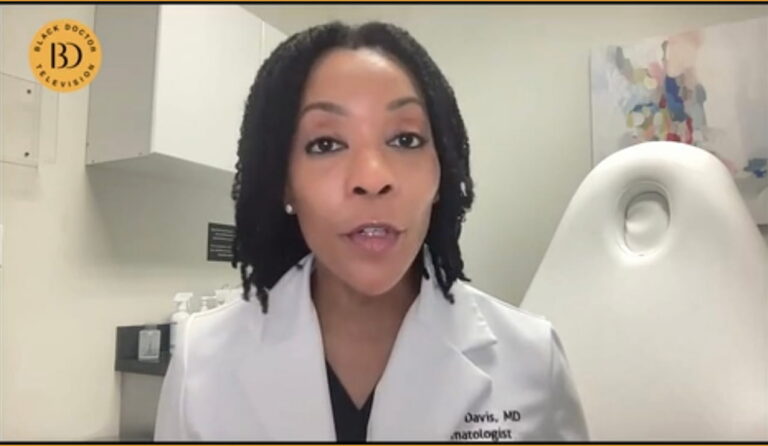
“Formaldehyde is a chemical that can be found in several products. People are often surprised that it’s in household items, but it’s also in your intimate items such as your shampoo and hair treatments.” Dr. Bayo Curry-Winchell, a board-certified family physician, says. “It’s a chemical that studies have shown can increase your risk for developing cancer, such as uterine cancer or breast cancer, but it also poses some short-term symptoms such as red eyes, [and] irritation in the nose [and] throat. The concern is this: the products that contain formaldehyde have historically been socialized to the Black community.”
Black women often face societal pressure to conform to Eurocentric beauty standards, leading to the widespread use of chemical hair straighteners, Brazilian blowouts, and other treatments.
From childhood, many Black women are conditioned to believe that straight, manageable hair is more acceptable, leading them to rely on products that could potentially be harming their health.
“There is a feeling that we must adapt or be socially acceptable from our head to our toes. And I think even as kids, there’s this pressure where we have to do better,” Dr. Bayo adds.
This beauty standard is not just about aesthetics—it has deep historical and social roots that reinforce discrimination and lead to dangerous beauty choices.
“I didn’t like my hair because that wasn’t something that was celebrated and something I saw on television or different mediums that I consumed, and it just kind of builds generation after generation where you go to whatever extreme you need to try and fit into what is considered beautiful,” Dr. Bayo shares.
RELATED: What’s in Your Hair? Experts Weigh in on the Next Steps for Safer Products
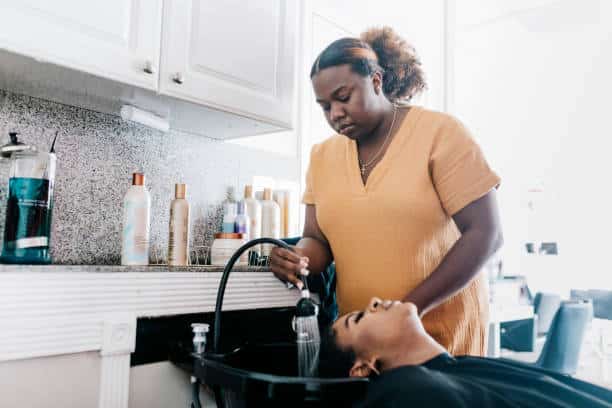
Formaldehyde exposure happens in multiple ways:
Symptoms of exposure include:
Other Harmful Ingredients to Avoid
A 2022 study confirmed that frequent exposure to formaldehyde-based hair treatments leads to higher risks of breast and uterine cancer. Given that Black women are already at an increased risk of aggressive cancer types, these findings are alarming.
Dr. Bayo emphasizes the personal experiences of many Black women who have seen their loved ones suffer from cancer, adding to the deep mistrust of the beauty industry.
“When you see your aunt, your mom, your grandmother dying from breast cancer at a very young age, or at the highest rate versus any other group, that adds to mistrust—especially knowing that these products were primarily marketed to our community,” Dr. Bayo notes.
There is a long history of Black women being ignored, harmed, or misled by beauty and healthcare industries. The fact that many companies knew about these risks but failed to act has deepened this distrust.
“These products knew that we were willing to do whatever it takes to fit in and be considered beautiful. And yet, the safety measures that should have been implemented in these products were just not there,” Dr. Bayo adds.
Adding to this mistrust is the lack of response from beauty brands regarding the dangers of their products.
“Right now, you don’t see a lot of brands saying, ‘Hey, we understand this happened, and here’s what we are doing to address it.’ Silence is not a way to build trust with a community or consumer,” Dr. Bayo notes.
The FDA is considering banning formaldehyde in hair treatments, but Dr. Bayo emphasizes that the push for regulation must go beyond just removing products from shelves.
“Someone can tell me, ‘Oh, you shouldn’t use this,’ but if you haven’t told me why, I’m unlikely to follow through or even have developed that memory of like, ‘Oh, this is why I should be avoiding something.’ You have to give that education so people can make the best-informed decision for themselves,” Dr. Bayo shares.

To reduce exposure to harmful chemicals, you women should:
Ask hairstylists about their products – Many stylists are unaware of the risks, so open conversations can help spread awareness.
Be cautious with synthetic hair – Some synthetic fibers release toxic chemicals when heated.
Wear gloves and masks – If using a product that contains formaldehyde, protect your skin and respiratory system.
Dr. Bayo emphasizes that medical professionals have a responsibility to inform Black women about these risks.
“Clinicians need to be aware of these products and highlight and share, ‘Did you know studies show an increased risk of breast or uterine cancer from products containing formaldehyde,’” Dr. Bayo advises.
Doctors routinely ask about exercise, diet, and lifestyle habits during check-ups. But why not also ask about hair product use?
“We ask, ‘How much do you exercise? How many steps do you get in a day?’ Why not ask, ‘What products do you use on your hair? Did you know this could possibly increase your risk for developing cancer?’ That should be a part of the conversation about overall health,” Dr. Bayo adds.
Black women must advocate for themselves in the beauty and healthcare spaces. Dr. Bayo encourages women to ask their doctors key questions, such as:
Dr. Bayo also provides free advocacy tools on her website, empowering Black women to ask the right questions when they visit their doctors.
The link between hair products and cancer risk is a major public health concern, particularly for Black women. While regulatory changes are necessary, education and self-advocacy are just as important.
By being informed, choosing healthier alternatives, and pushing for accountability, Black women can protect themselves and future generations from preventable health risks.


By subscribing, you consent to receive emails from BlackDoctor.com. You may unsubscribe at any time. Privacy Policy & Terms of Service.