There seems to be a widespread misunderstanding that Black people are resistant to exposure to the sun. Having said that, I would want to make it quite clear that Black people are, in fact, capable of feeling the effects of sunburn.
Sunburn is a typical problem for those with fair skin, and it often results in unpleasant repercussions such as redness, blistering, and peeling of the skin. On the other hand, there is a widespread misunderstanding that persons with melanated skin, especially those of African descent, are resistant to sunburn because of the protective properties of the pigment melanin characteristic of their skin. This article will present an authoritative viewpoint to illuminate this problem and underline the significance of sun protection for all persons, regardless of their skin tone. We will do this by highlighting the importance of sun protection.
Contrary to popular belief, Black people can indeed experience sunburn. While the presence of melanin does provide some natural protection against harmful ultraviolet (UV) radiation, it does not render the skin completely immune to the damaging effects of the sun. Melanin absorbs UV radiation, which helps to minimize sunburn, premature aging, and skin cancer risk. However, melanin alone cannot provide complete protection, especially when exposed to intense or prolonged sunlight.
Getting a sunburn is the result of the skin being overexposed to ultraviolet light, which causes the DNA in the skin cells to become damaged. Redness, discomfort, swelling, and even the creation of blisters are some of the several symptoms that may be experienced. Several elements might influence the severity of a sunburn, including the strength of the sun, the length of time that the sun was exposed, and the individual’s skin type.
RELATED: Black Folks Need Sunscreen Too: 5 Sunscreens for Your Skin Type
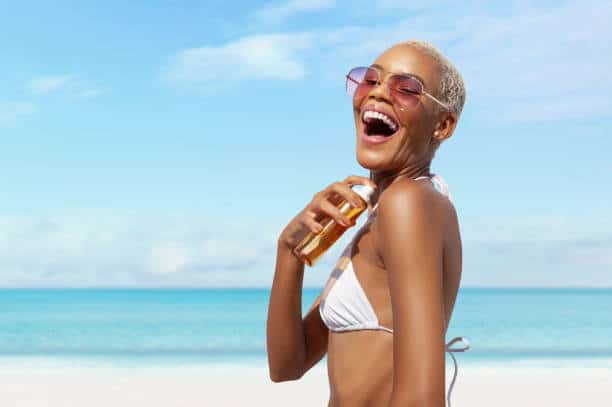
Regardless of skin color, everyone must take appropriate measures to protect their skin from the harmful effects of the sun. Sunscreen, with a broad-spectrum SPF of 30 or higher, should be applied generously and regularly, even on cloudy days. Additionally, protective clothing, wide-brimmed hats, and sunglasses can provide added defense against harmful UV rays. Seeking shade, particularly during peak sunlight hours, is also advised to reduce direct exposure.
Black people should not fool themselves into thinking that their melanin alone is sufficient to protect them against sunburn. Adopting sun-safe behaviors and incorporating such activities into one’s daily routine is necessary for persons with melanated skin. Applying sunscreen consistently, in addition to taking other preventative steps, is something that should not be overlooked.
Additionally, it is essential to always be aware of the early warning symptoms of sunburn and to seek shade whenever necessary. By being aware of your skin and how it reacts to the sun, you can significantly reduce the risk of sunburn and other skin conditions connected to sun exposure.
Sunburn is a condition that may afflict people of any skin type, including those with melanated skin. There is a widespread misconception that individuals of African descent are resistant to sunburn, which is not only untrue but also highly hazardous. Therefore, it is essential for everyone, regardless of the color of their skin, to participate in appropriate sun protection activities to reduce the likelihood of getting sunburn. We can guarantee that people with darker skin continue to have healthy skin and limit the risk of sunburn and the associated difficulties by highlighting the significance of using sunscreen, wearing protective clothes, and finding shade when necessary.


By subscribing, you consent to receive emails from BlackDoctor.com. You may unsubscribe at any time. Privacy Policy & Terms of Service.