When I was a little girl heading to my puberty stage I wanted to grow big tatas, those babies had to be tailored-made for my body and one thing for sure I did not want to join the “Itty bitty titty committee.” Going shopping for your first bra was like an initiation into “young womanhood,” and trust me, you did not want to be the last girl developing within this area especially in middle school. So even if you were “flat-chested” or needed some help you would instantly grab several fistfuls balls of ‘Charmin’ and stuff your shirt or bra to makeup from the lack of not having enough.
As time went on I developed just fine, but I can say I have entertained the thought of maybe doing a little enhancement. However, it was just a thought nothing more. But for those of you who may be considering breast implants here’s what you should know.
READ: Teyana Taylor’s Emergency Breast Surgery: “Its a Very Scary Thing”
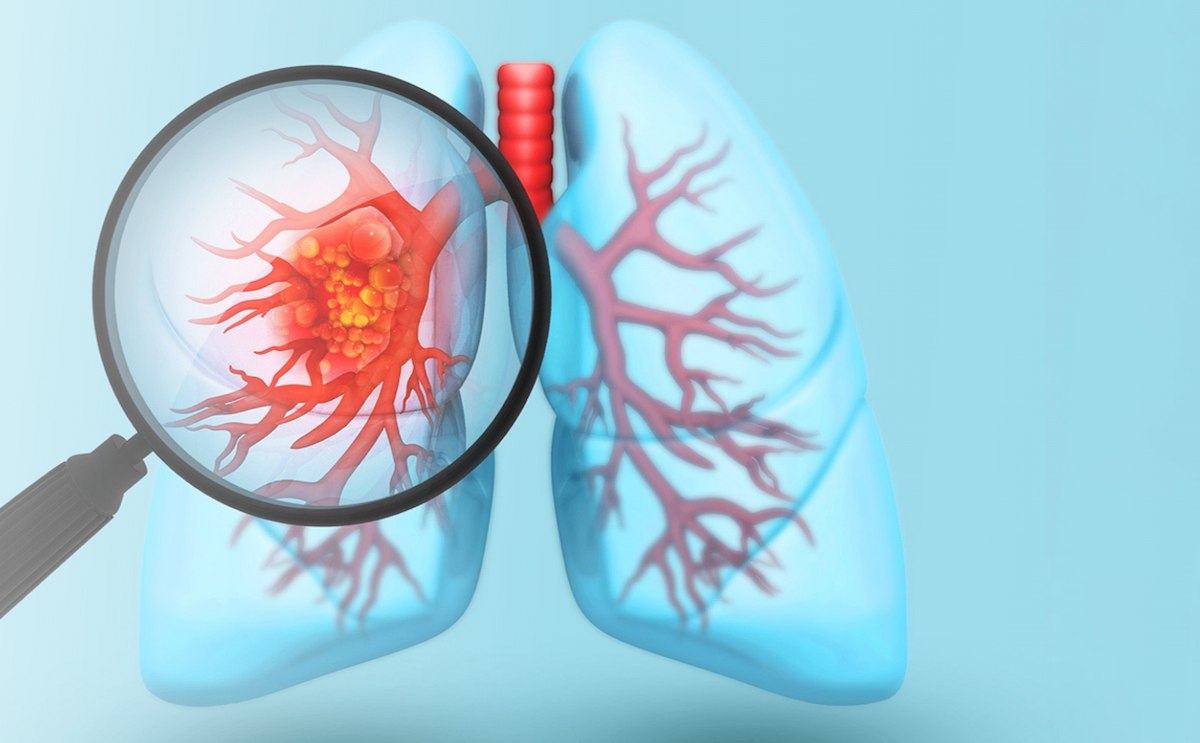
In 2019, The Food and Drug Administration (FDA) released recall information about a particular implant manufactured by Allergen which had textured surface implants called BIOCELL. The report says 573 cases of cancer and 33 deaths worldwide from a rare lymphoma were associated with these breast implants. Lymphoma is a form of cancer that affects the lymphatic system which causes your white blood cells to reproduce uncontrollably.
Your lymphatic system is part of your immune system. It works to get waste and toxins out of the body and your white blood cells help fight off infections. The cancer associated with the breast implant is not a form of breast cancer but rather an immune system cancer known as Hodgkin’s lymphoma. Can you imagine having a doctor do breast reconstruction after you had a mastectomy and then receive news that you now have a different form of cancer because the product used in augmentation created the cancer? The FDA reports that 481 of those cancer cases involve patients “reported to have Allergan breast implants at the time of diagnosis.”
“Textured implants became much more commonly used about a decade ago when shaped implants came on the market,” according to Dr. Tomer Avraham, MD, a Yale Medicine plastic surgeon who focuses on helping people who have had cancer surgery recover. The textured surface helped prevent slippage.
READ: 5 Things You Might Not Know About Breast Implants
Get your breast checked out and seek advice from your medical physician immediately, especially if you are experiencing
or have had these symptoms appear at any time while the implants have been inserted. Always be “breast aware” and don’t ignore any discomfort or changes in your breast. Also, know what type of implant you have inserted within your body along with the manufacturer’s serial number of your implant; therefore, if there is ever a recall on your implant you can respond quickly to the given concerns.
If you do currently have a textured surface implant—BIOCELL, manufactured by Allergan seek immediate medical assistance to remove or replace your breast implant so that you do not get the rare cancer, breast implant-associated anaplastic large cell lymphoma (BIA-ALCL), which is associated with the immune system.
Getting plastic surgery is a very tough and serious decision to make when it comes to improving your body image. This process should be well researched and the decision should not be made in haste. Oftentimes, we as people, attempt to fix some type of physical abnormality within our own minds by literally going under the plastic surgeon’s knife with our bodies.
READ: Are Women With Breast Implants More Likely To Commit Suicide?
We look at ourselves in the mirror and say, “I need to get this sucked out, that pushed up, lose this fat in this area, get a new….or change this or enhance that.” Beauty is in the eye of the beholder and you must come to terms with what will make you happy, but you should not ignore the facts when it comes to your health.
Our self-talk often reflects how we truly feel about ourselves on the inside and you should not make a decision to have plastic surgery if you feel the procedure would make another person favor you, love you more for a particular reason, or give you a new perspective on life to advance your career opportunities.
There are many risks involved with any surgery and you should do your due diligence to make sure you understand the health factors in making such decisions with your body. One cut or mishap from a doctor’s surgical tool could leave you casket sharp heading to your final resting place or mental anguish seeking another physician to correct what the first surgeon botched.
So if you are considering plastic surgery in any form, please consult with your family, friends, a therapist and several certified doctors to make sure the decision you are about to make is the best solution for your circumstance. Always self-reflect and ask yourself “What is the real reason I am making this decision?” Is it absolutely necessary for me to do this? What happens if something goes wrong? What are the pros and cons of this situation?
Once you’ve had time to process your concerns then proceed with a plan of action, but remember to pull on the wisdom, knowledge and advice from your inner support group. Don’t make a hasty decision alone and do not proceed with surgery without informing someone of your decision.


By subscribing, you consent to receive emails from BlackDoctor.com. You may unsubscribe at any time. Privacy Policy & Terms of Service.