Did you know that lung cancer risks can impact non-smokers?
Most of the advice you hear about preventing lung cancer, although well-meaning, is often linked just to smoking.
But what if you’ve never smoked? Being a non-smoker doesn’t automatically clear you from the risk of lung cancer.
Tobacco usage is one of the many factors that can lead to the disease. But the truth is that nearly 20 percent of people who die from lung cancer in the U.S. annually don’t smoke or use any form of tobacco, according to the American Cancer Society.
“It’s true that the majority of people with lung cancer have some history of tobacco use,” Andrea, McKee, MD, a Lung Association spokesperson, told Health.com. “Having said that, 15% of patients diagnosed with lung cancer have no history of tobacco use — and they may be quite young.”
McKee states that lung cancer is highly curable when diagnosed early. Below are risk factors and symptoms that smokers and non-smokers alike should know.
If you’ve had lung cancer, you have a greater risk of developing another lung cancer.
Also, a strong family history of the disease (brothers, sisters, and children of people who have had lung cancer) is linked to increased risk, researchers say.
In recent years, the government has taken steps to better protect workers from exposure to carcinogens (cancer-causing agents). If you’re exposed to the following, you are putting yourself at risk:
RELATED: I Just Found Out I Have Lung Cancer—What Now?
Breathing in the smoke of others can increase your risk of developing lung cancer.
In fact, secondhand smoke is thought to account for more than 7,000 deaths from lung cancer each year.
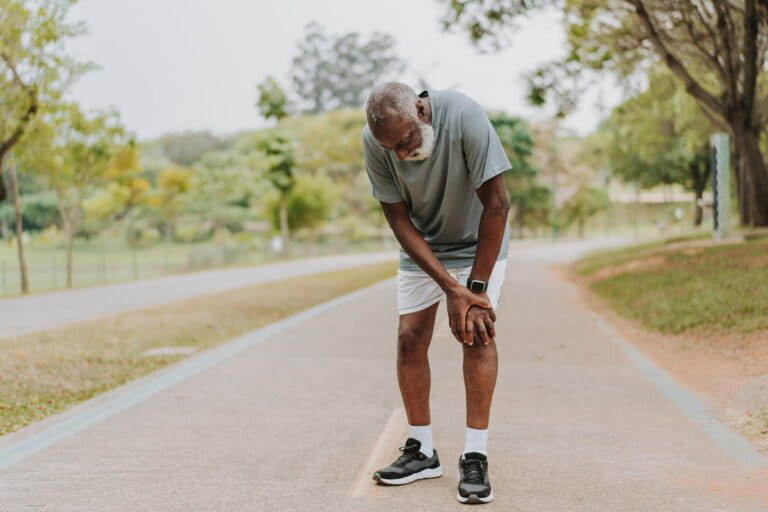
You may experience chest pains, severe, dull pain in your shoulders, or soreness and weakness in your bones.
Over time, this aching pain can worsen, especially at night.
We’re not talking about an allergy-induced cough attack, but a persistent cough.
If your cough lingers or several weeks, it can be an early sign of lung cancer.
During the latter stages, sufferers have also been known to cough up blood or mucus.
Gagging on your food?
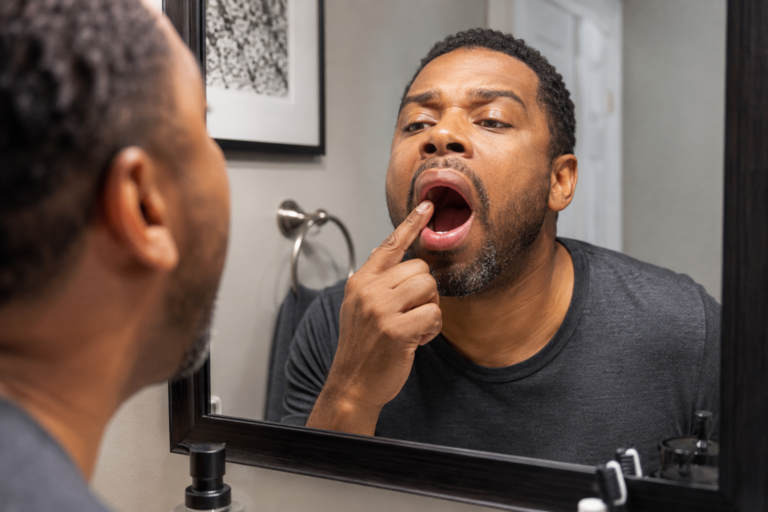
Lung cancer can make it difficult to swallow as well as create a feeling that something is caught in your throat.
This can point to inflammation of the esophagus, also known as dysphagia – a fatal warning sign, as patients who display this symptom are at an increased risk of dying.
Persistent respiratory diseases such as bronchitis or pneumonia can be signs of lung cancer.
Though losing 10 pounds here or gaining 10 pounds there is totally normal, a sudden drop in weight should never be ignored, experts say. It could be linked to serious health conditions such as lung cancer. You want to pay attention if you have low energy, too. This could be the result of lung cancer.

While you cannot change your genetics or past exposures, you can take proactive steps to monitor your health and reduce future risks.
After smoking, radon gas is the leading cause of lung cancer in the U.S. It is a colorless, odorless gas that seeps into homes through cracks in the foundation.
Because non-smokers are often considered “low risk,” doctors may initially misdiagnose symptoms as asthma, allergies, or bronchitis.
Current guidelines for low-dose CT scans typically focus on those with a heavy smoking history. However, if you have significant occupational exposure or a strong family history, the standard rules might not apply to you.
We spend a significant amount of time indoors, where pollutants can become trapped.
While no diet can “cure” cancer risk, supporting your immune system helps your body repair cellular damage.
If you have lungs, you can get lung cancer. Never feel that your symptoms are “too minor” to report simply because you don’t smoke.


By subscribing, you consent to receive emails from BlackDoctor.com. You may unsubscribe at any time. Privacy Policy & Terms of Service.