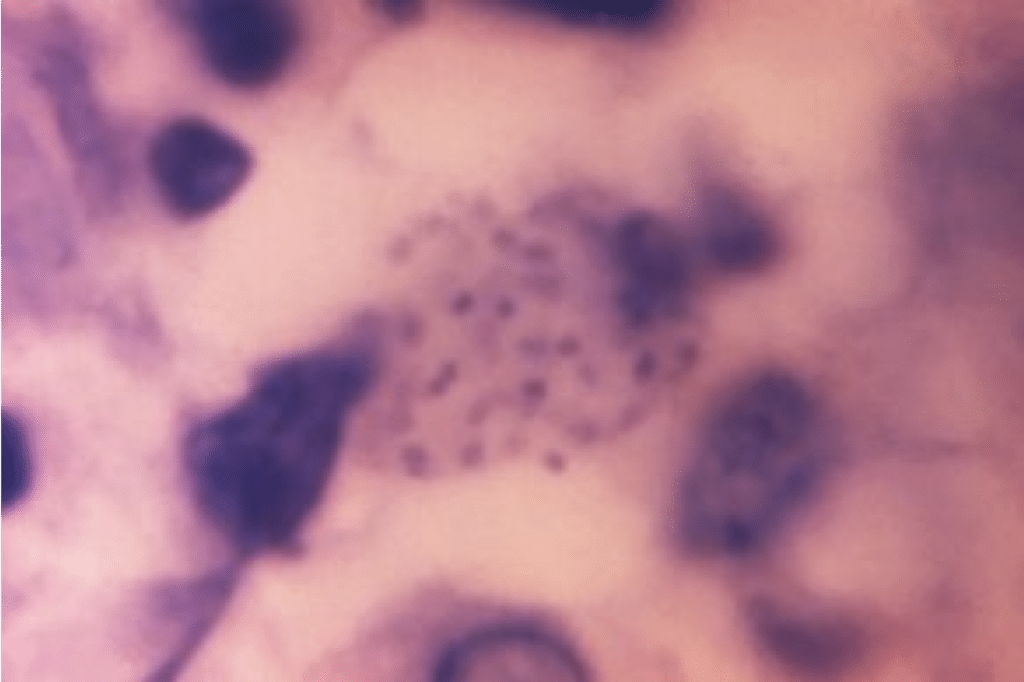
A relatively new sexually transmitted disease is getting a lot of attention after a young woman in England supposedly contracted the infection that can destroy genital tissue.
Donovanosis (Granuloma Inguinale) is spread through sexual intercourse or by coming in contact with an infected person’s ulcer.
The CDC says the disease is commonly described as painless and causes progressive ulcerative lesions in the genital area.
Donovanosis is caused by the bacterium Klebsiella granulomatis. It’s characterized by genital ulcers or sores, so it’s in the same category as syphilis and herpes, the ASHA spokesperson told BuzzFeed News. It spreads through unprotected vaginal or anal intercourse and, rarely, through oral sex.
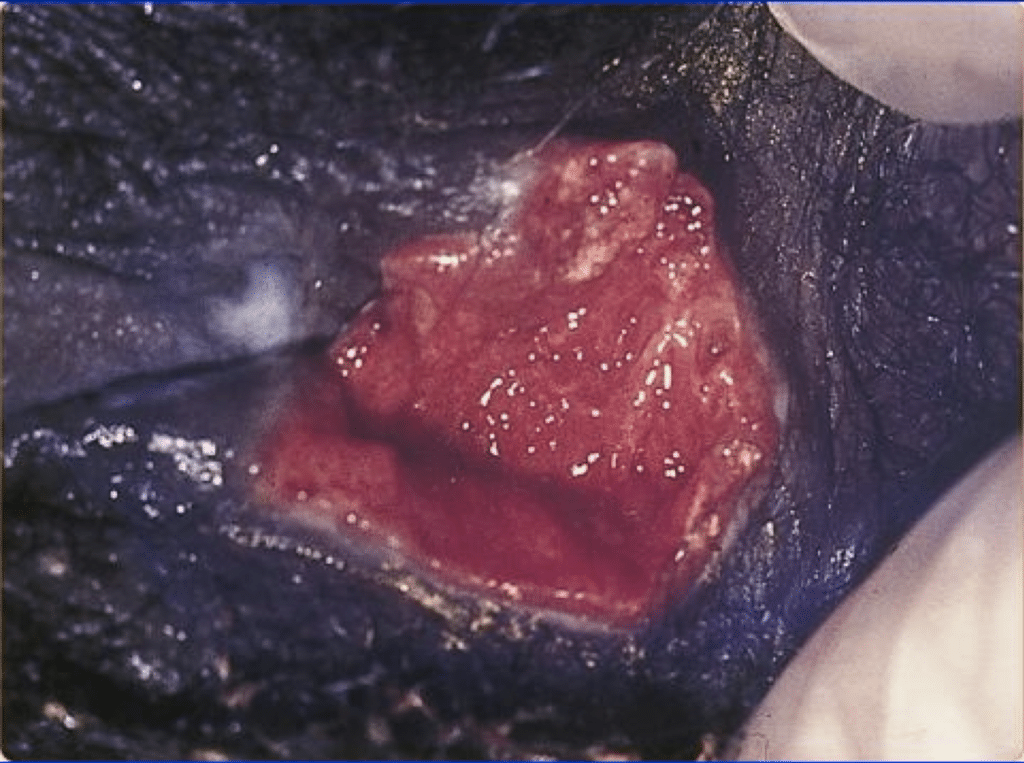
These ulcers begin as small red bumps and they are typically painless, but bleed easily if injured, according to the National Library of Medicine (NLM). Symptoms appear between 1 and 12 weeks after infection, and early-stage donovanosis may be confused for chancroid, another ulcer-causing STD. If left untreated, the ulcers can worsen and cause permanent swelling and scarring.
According to the Lancashire Post, an unidentified woman between the ages of 15 and 25 was diagnosed with the disease, donovanosis, within the past year.
A pharmacist reportedly told the Lancashire Post that if left untreated the disease “could cause the flesh around the genitals to literally rot away.”
So is there is good news to this flesh-eating STD? Well, it is treatable. It responds typically to certain antibiotics, such as azithromycin and doxycycline, which are given for several weeks or until the ulcers have healed, according to the NLM. However, while antibiotics might treat and stop the progression of lesions, the CDC says patients are at risk of relapse for six to 18 months post-treatment and the ulcers can come back.
The Public Health Department stated that “Donovanosis primarily occurs in tropical countries or regions of the Americas, Southern Africa and Oceania. It is very rarely diagnosed and reported in the UK.”
There are fewer than 100 reported cases of donovanosis each year in the US. By contrast, there were 1.59 million cases of chlamydia reported in the country in 2016.
Most cases of donovanosis in the US are believed to be contracted internationally by travelers and brought back to the US. The disease is common in areas such as India, Papua New Guinea, Guyana, Brazil, central Australia, and southern Africa, according to the NLM.
“It’s known for causing these really nasty-looking ulcers—they look like raw meat, beefy and really red, and they have a lot of blood supply so they bleed easily,” says Dr. J. Marrazzo, MD, MPH, chair of the division of infectious diseases at the University of Alabama at Birmingham.
“If they’re left untreated, they really can cause destruction of the tissue around them, which is why people say it’s ‘flesh-eating’ or that it causes skin to ‘rot away,’” Dr. Marrazzo adds. In advanced cases, according to the CDC, the ulcers can spread to the groin, lower abdomen, and upper thighs, and can develop secondary infections of their own.


By subscribing, you consent to receive emails from BlackDoctor.com. You may unsubscribe at any time. Privacy Policy & Terms of Service.