When people talk about “cleaning your blood,” they often imagine special detox drinks or expensive supplements. The truth is, your body already has a built-in blood-cleaning system. Your liver, kidneys, lungs, and lymphatic system work around the clock to filter waste, remove toxins, and keep your blood healthy.
While no single food can magically “detox” your blood, certain nutrient-rich foods can support the organs responsible for filtering and purifying your bloodstream. Adding these foods to your diet may help improve circulation, reduce inflammation, and support overall health.
Beets are often considered one of the best foods for blood health. They’re rich in antioxidants called betalains, which help fight inflammation and oxidative stress.
Beets also contain nitrates that help widen blood vessels, improving blood flow and circulation throughout the body.
Benefits:
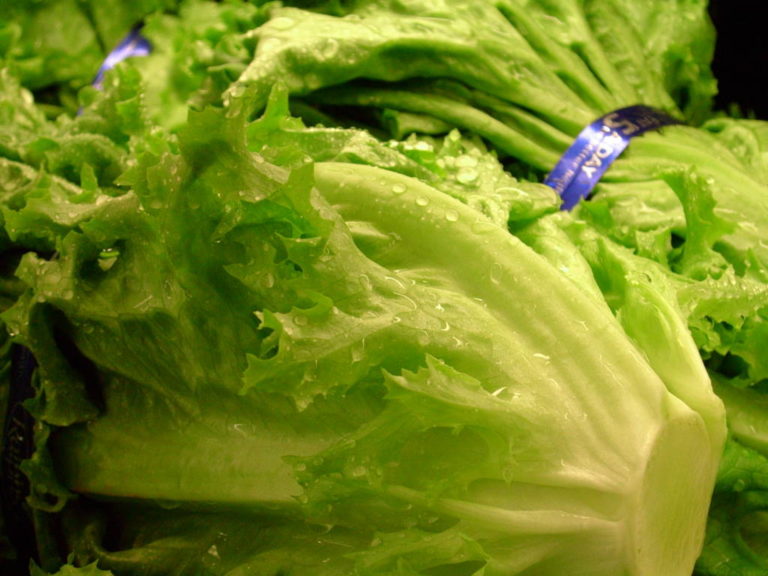
Kale, spinach, collard greens, and Swiss chard are packed with chlorophyll, a plant pigment that may help support the body’s natural detoxification processes.
These greens are also loaded with vitamins A, C, K, and iron, nutrients that help maintain healthy blood cells.
Benefits:
Garlic contains sulfur compounds that help activate liver enzymes responsible for filtering toxins from the bloodstream.
Research has also shown that garlic may help lower cholesterol and blood pressure, both of which contribute to healthier blood vessels.
Benefits:
These tiny berries pack a powerful antioxidant punch. Blueberries are rich in anthocyanins, compounds that help protect blood vessels from damage caused by free radicals.
Studies have linked regular blueberry consumption to improved cardiovascular health and reduced inflammation.
Benefits:
Oranges, grapefruits, lemons, and limes are excellent sources of vitamin C, which helps protect blood vessels and supports the immune system.
Vitamin C also helps the body absorb iron, an essential mineral needed to make healthy red blood cells.
Benefits:
Turmeric contains curcumin, a natural anti-inflammatory compound that has been extensively studied for its health benefits.
Chronic inflammation can damage blood vessels over time, making turmeric a valuable addition to a blood-friendly diet.
Benefits:
Pomegranates contain powerful antioxidants that may help protect arteries and improve blood flow.
Some studies suggest pomegranate juice may help reduce plaque buildup in blood vessels and support healthy blood pressure levels.
Benefits:
Salmon, sardines, mackerel, and trout are rich in omega-3 fatty acids, which help reduce inflammation and support healthy blood flow.
Omega-3s may also help lower triglycerides and improve overall cardiovascular health.
Benefits:
Ginger has been used for centuries to improve circulation and support cardiovascular health.
Its natural compounds may help reduce inflammation and improve blood flow throughout the body.
Benefits:
Although not technically a food, water is one of the most important substances for healthy blood.
Blood is composed largely of water, and staying hydrated helps your kidneys efficiently remove waste products from the body.
Benefits:
While adding healthy foods is important, reducing certain foods may be just as beneficial.
Limit:
These foods can contribute to inflammation, poor circulation, and increased risk of cardiovascular disease.
Despite popular detox claims, there is no food that literally cleans your blood overnight. Your body already has sophisticated systems for filtering and purifying your bloodstream. The best approach is to support those systems with a nutrient-rich diet filled with vegetables, fruits, lean proteins, healthy fats, and plenty of water.
By regularly consuming foods like beets, leafy greens, garlic, berries, citrus fruits, and fatty fish, you can help your body perform its natural cleansing processes more efficiently while supporting long-term heart and blood vessel health.
If you’re experiencing symptoms such as persistent fatigue, unexplained bruising, frequent infections, dizziness, or unusual bleeding, don’t rely on dietary changes alone. These symptoms could indicate an underlying blood disorder or other medical condition that requires professional evaluation.


By subscribing, you consent to receive emails from BlackDoctor.com. You may unsubscribe at any time. Privacy Policy & Terms of Service.