For millions living with severe type 1 diabetes, the constant vigilance of managing blood sugar and the threat of dangerously low levels, known as hypoglycemic unawareness, can be a daunting reality. But recent research offers a profound glimmer of hope. A groundbreaking stem cell-based treatment, zimislecel, developed by Vertex Pharmaceuticals, has shown remarkable success, allowing 10 out of 12 patients in a recent trial to cease insulin injections entirely. The remaining two significantly reduced their insulin needs. This “trailblazing work,” as Dr. Mark Anderson of the University of California, San Francisco, describes it to the New York Times, could be “life changing” for those burdened by the disease.
The findings, presented at the American Diabetes Association’s annual meeting and published in The New England Journal of Medicine, highlight a significant scientific leap. The treatment involves lab-grown islet cells, which are special cells that regulate blood sugar. These cells, derived from stem cells, are infused into the patient’s liver, where they begin to function like natural islet cells, producing the crucial hormone insulin. The goal is to replace the damaged islet cells that are characteristic of type 1 diabetes, a condition where the immune system mistakenly attacks and destroys these essential cells in the pancreas.
Unlike type 2 diabetes, which often emerges later in life, type 1 typically begins in childhood or young adulthood, affecting approximately 2 million Americans. For those with hypoglycemic unawareness, the inability to detect dropping blood sugar levels can lead to severe consequences, including fainting or seizures. Dr. Trevor Reichman, the study’s lead author and director of the pancreas and islet transplant program at University Health Network in Toronto, emphasized the daily struggle faced by these patients, constantly worrying about their glucose levels. Within months of receiving zimislecel, patients saw a dramatic decrease in their insulin dependence, with most completely off insulin within six months. Crucially, episodes of dangerously low blood sugar vanished within the first 90 days.
This potential medical breakthrough is the culmination of over 25 years of dedicated research, spearheaded by Harvard University scientist Doug Melton, who was motivated by his own children’s diagnoses with type 1 diabetes. Melton’s team painstakingly explored methods to transform stem cells into functional islet cells, a monumental undertaking that cost tens of millions of dollars. “The fact that it worked at all is just freaking amazing to me,” Melton remarked, underscoring the immense scientific challenge involved. His perseverance eventually led him to join Vertex, bringing this promising therapy to clinical trials.
However, the journey isn’t without complexities. One of the first recipients of the treatment, Brian Shelton, unfortunately, passed away due to pre-existing dementia symptoms unrelated to the treatment. Additionally, the therapy requires patients to take immunosuppressive drugs, which carry long-term risks of infection or cancer. While experts like Dr. Irl Hirsch of the University of Washington suggest this immunosuppression might be less dangerous than for other organ transplants, definitive long-term data is still needed. The cost of the treatment remains unreleased, as it awaits FDA approval. Nevertheless, for patients like Amanda Smith, a 36-year-old nurse who no longer needs insulin after six months, the treatment offers a “whole new life.”
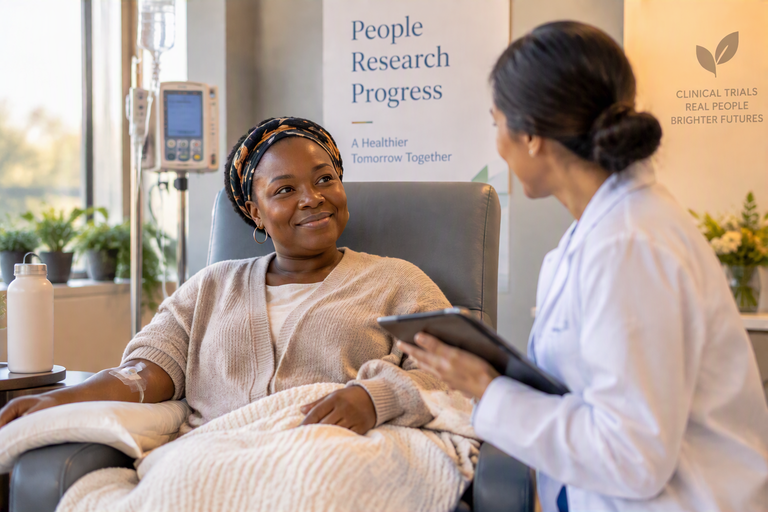
While this breakthrough offers immense promise, it also brings into sharp focus the critical importance of diverse participation in clinical trials, especially from Black communities. Historically, Black individuals have been significantly underrepresented in medical research. This lack of representation has profound implications for health equity and the effectiveness of treatments for all.
Firstly, biological and genetic differences can influence how diseases manifest and how individuals respond to medications. For example, some blood pressure medications are known to have reduced effectiveness in Black patients compared to white patients due to genetic variations. Without adequate Black representation in clinical trials, such crucial differences may go undiscovered, leading to treatments that are less effective or even potentially harmful for this population. If a drug is primarily tested on a non-diverse group, its full impact on all racial and ethnic groups cannot be accurately assessed.
Secondly, the underrepresentation of Black individuals in trials perpetuates health disparities. Black communities often experience higher rates of certain chronic conditions, including diabetes. To develop truly effective and equitable solutions for these communities, their lived experiences and physiological responses must be included in research. When Black patients participate, the results become more generalizable and applicable to a wider segment of the population, ensuring that medical advancements benefit everyone.
Finally, addressing the historical mistrust within Black communities regarding medical research is paramount. Events like the Tuskegee Syphilis Study have understandably fostered skepticism. Increasing Black participation requires active efforts to build trust through transparent communication, community engagement, and ensuring that research teams themselves are diverse and culturally competent. When Black individuals see themselves reflected in the research process, it can foster greater confidence in the medical system and the treatments developed. Ultimately, the success of therapies like zimislecel for a truly diverse patient population depends on inclusive clinical trials, paving the way for a healthier future for all.


By subscribing, you consent to receive emails from BlackDoctor.com. You may unsubscribe at any time. Privacy Policy & Terms of Service.