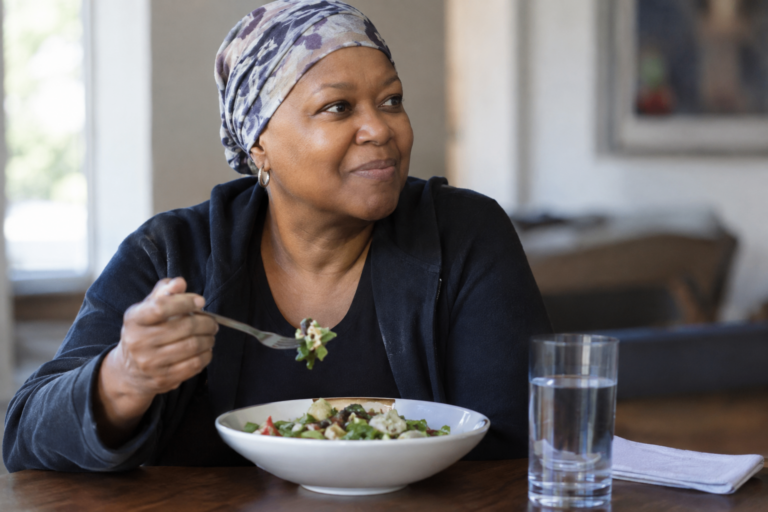
In our fast-paced world, the concept of vitality has taken on a new significance, encompassing various aspects of well-being that go beyond physical health.
Vitality is a state of being characterized by a sense of energy, enthusiasm, and resilience. It goes beyond mere physical health to encompass mental, emotional, and social well-being. Vitality is about feeling alive, engaged, and purposeful in your life, regardless of external circumstances.
Vitality is important to your health because it reflects your overall well-being. When you have high vitality, you’re more likely to experience:
The Cigna Group’s second annual Vitality in America report delves into the intricate web of factors that contribute to vitality, shedding light on its relationship with emotional health, stress, and the ability to navigate daily life.
One of the most intriguing findings of this year’s study is the variation in vitality across different demographic groups. Contrary to popular assumptions, the report indicates that Black Americans exhibit higher levels of vitality compared to their White and Hispanic counterparts. What’s particularly noteworthy is that this higher vitality among Black Americans is not primarily driven by economic factors but by strong family and community support.
Another interesting insight is the age distribution among high-vitality Black and Hispanic adults, with a significant proportion falling into the 18 to 34-year-old category. This demographic trend suggests that younger generations within these communities are leading the way in terms of vitality, possibly due to evolving attitudes and lifestyles.
However, the report also uncovers concerning patterns regarding mental health and health engagement among Black American adults. It indicates that low-vitality Black adults are more likely to experience clinical depression and anxiety compared to their high-vitality counterparts.
Moreover, a significant disparity exists in terms of access to healthcare, with low-vitality Black adults being less likely to have a primary care physician they trust and to have regular check-ups.
These findings underscore the need for targeted interventions to improve mental health support and healthcare access within Black communities, addressing the underlying factors that contribute to these disparities.
By understanding the nuances of vitality and its determinants, we can work towards creating a more inclusive and holistic approach to well-being that benefits all segments of society.
BlackDoctor.org spoke with a spokesperson for The Cigna Group to get a greater understanding of what Black Americans need to know about the report.
For further insights and a comprehensive view of the report, you can access the Multimedia Press Release, General Population Full Report, and Gen Z Full Report through the provided links.


By subscribing, you consent to receive emails from BlackDoctor.com. You may unsubscribe at any time. Privacy Policy & Terms of Service.