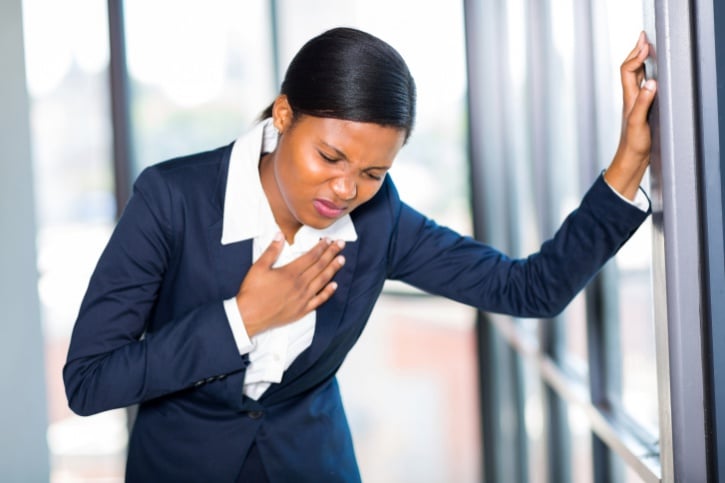
Heart failure occurs when something damages the heart muscle or lessens its ability to pump effectively, the Harvard Heart Letter, published in September 2016 says. It’s important to note, that while “faulty heart valves,” or pre-existing conditions like high blood pressure and genetic disease may also be to blame – for women, unlike men, heart attack symptoms are often unrelated to chest pain.
The earliest symptoms may be very subtle, but they are certainly not to be ignored. So, what are the warning signs of premature heart failure? How do you respond? To help both patients and physicians spot a combo of symptoms pointing to possible heart failure, the Heart Failure Society of America (HFSA) developed a handy tool that goes by the acronym F.A.C.E.S.
F = Fatigue.
When the heart can’t pump enough oxygen-rich blood to meet the body’s energy needs, a general feeling of tiredness or fatigue sets in.
RELATED: 6 Heart Disease Symptoms Black Women Should Look For
A = Activity limitation. People with heart failure are often unable to do their normal activities because they become easily tired and short of breath.
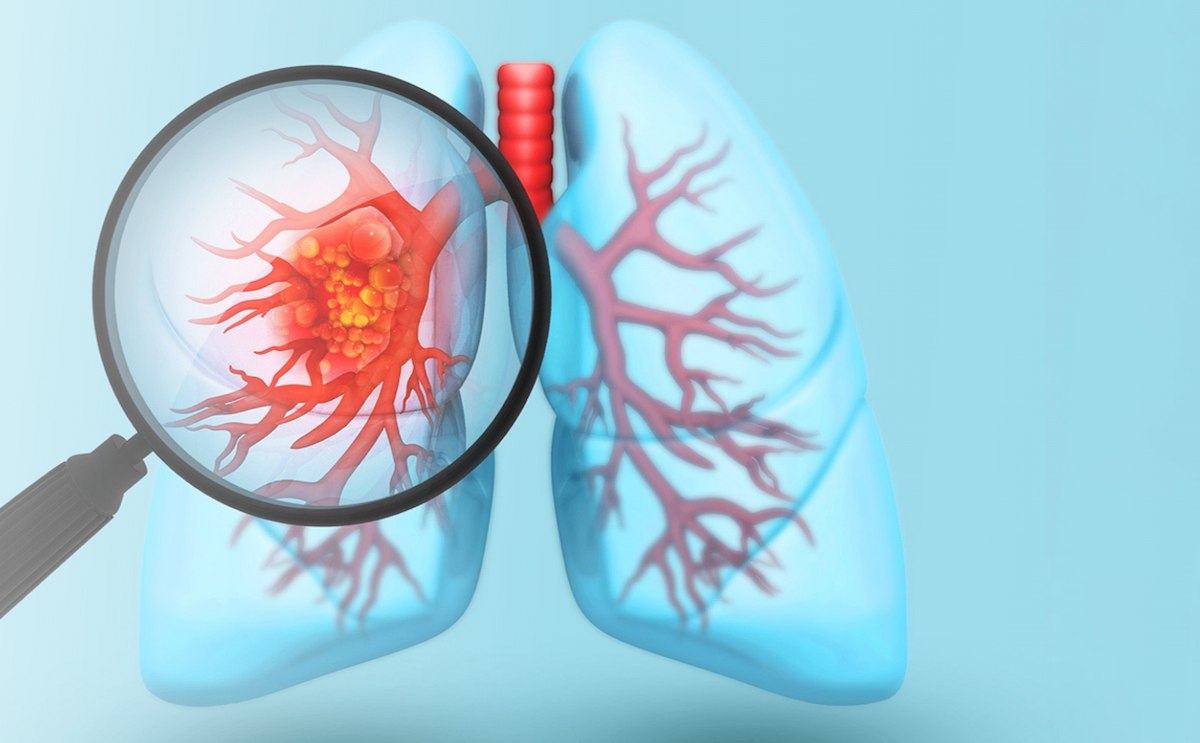
C = Congestion. Fluid buildup in the lungs can result in coughing, wheezing, and breathing difficulty.
E = Edema or ankle swelling. When the heart doesn’t have enough pumping power to force used blood back up from the lower extremities, fluid can collect in the ankles, legs, thighs, and abdomen. Excess fluid can also cause rapid weight gain.
S = Shortness of breath. Fluid in the lungs makes it more difficult for carbon dioxide in used blood to be exchanged for fresh oxygen. It may also be harder to breathe when lying down because gravity allows fluid from below the lungs to travel up the torso.
Though by themselves, these symptoms don’t provide a concrete diagnosis; if you have more than one of these symptoms, experts suggest they convey a sense of urgency to see your doctor.
In addition to FACES, the American Heart Association (AMA) explains that persons suffering from a combination of nausea, confusion, discomfort in the neck, jaw, shoulder, upper back or abdominal area, impaired thinking (foggy brain), or a high heart rate should also be evaluated for a condition called “congestive heart failure;” a type of heart failure which requires seeking immediate medical attention.
Prevention
In the meantime, there are a handful of things you can do to prevent heart disease and get a grip on your health overall.
Eat right!
You are what you eat. Choose foods that are both low in sodium, saturated fat and trans-fat. Look to fruits and veggies, fiber-rich options like whole grains, fish (at least twice per week), lean meat cuts (chicken, turkey), nuts, legumes and seeds and occasionally, a meal or two without meat. Select lower fat dairy products and poultry (skinless). Also, limit your sugar intake.
Hit the gym.
Aim for 2½ hours – that’s 150 minutes — of aerobic activity like brisk walking, jogging, or biking every week or 1 hour and 15 minutes (75 minutes) of vigorous activity like running or hiking each week. Meanwhile, kids should get at least 60 minutes of activity every day!
Don’t forget the weights.
On two or more days a week, focus on muscle-strengthening activities that work all the major muscle groups: legs, hips, back, abdomen, chest shoulders and arms.
RELATED: What Helps Your Heart More, Losing Fat or Gaining Muscle?
Follow the signs.
Don’t ignore the signs. Getting your annual physical or making the slightest change to your lifestyle could mean the difference between life and death.


By subscribing, you consent to receive emails from BlackDoctor.com. You may unsubscribe at any time. Privacy Policy & Terms of Service.