There have been many changes within the criminal justice system as a means to deter crime and to keep citizens safe. However, research demonstrates that oftentimes people of color are treated more harshly. In a study published in the American Journal of Public Health, the authors reported that 85% of the participants reported being stopped at least once in their lifetime and 78% had no history of criminal activity. What is more concerning is that the study also found that those who reported more intrusive police contact experienced increased trauma and anxiety symptoms. Furthermore, those who reported fair treatment during encounters with law enforcement had fewer symptoms of PTSD and anxiety.
What is Racial Trauma?
In addition to the mental health symptoms of individuals who have encounters with law enforcement, those who witness these events directly or indirectly may also be impacted negatively. In an attempt to capture how racism and discrimination negatively impacts the physical and mental health of people of color, many scholars have coined the term “racial trauma” or race-based traumatic stress. Racial trauma may result from racial harassment, witnessing racial violence, or experiencing institutional racism. The trauma may result in experiencing symptoms of depression, anxiety, low self-esteem, feelings of humiliation, poor concentration, or irritability.
Effects of Racial Trauma on Communities of Color
Decades of research have noted the impact of discrimination and racism on the psychological health of communities of color. Although not everyone who experiences racism and discrimination will develop symptoms of race-based trauma, repeated exposure may lead to the following. According to a report on The Impact of Racial Trauma on African Americans, Dr. Walter Smith notes the following effects of racial trauma:
Increase vigilance and suspicion – Suspicion of social institutions (schools, agencies, government), avoiding eye contact, only trusting persons within our social and family relationship networks
Increase sensitivity to threat – Defensive postures, avoiding new situations, heightened sensitivity to being disrespected and shamed, and avoid taking risks
Increase psychological and physiological symptoms – Unresolved traumas increase chronic stress and decrease immune system functioning, shift brains to limbic system dominance, increase risks for depression and anxiety disorders, and disrupt child development and quality of emotional attachment in family and social relationships
Increase alcohol and drug usage – Drugs and alcohol are initially useful (real and perceived) in managing the pain and danger of unresolved traumas but become their own disease processes when dependency occurs
Increase aggression – Street gangs, domestic violence, defiant behavior, and appearing tough and impenetrable are ways of coping with danger by attempting to control our physical and social environment
Narrowing sense of time – Persons living in a chronic state of danger do not develop a sense of future; do not have long-term goals, and frequently view dying as an expected outcome
Racial trauma or race-based trauma often goes unnoticed. These hidden wounds that adults and youth of color experience are worn like invisible weights. Hardy (2013) provides the following eight steps to heal after experiencing racial injustices in our community.
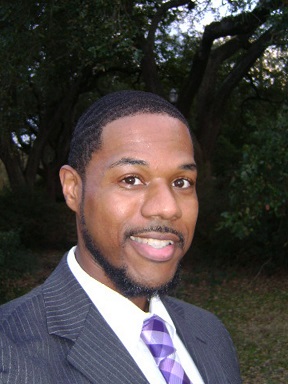
Dr. Erlanger Turner, Ph.D. is a licensed psychologist and assistant professor of psychology at the University of Houston-Downtown. You can follow Dr. Turner on Twitter @DrEarlTurner for daily post on psychology, mental health, and parenting. Learn more about Dr. Turner on his website www.drerlangerturner.com
Jasmine Richardson, B.S. earned her psychology degree from the University of Houston- Downtown (UHD) and is a former research assistant at the UHD Race, Culture, and Mental Health Research Lab under the supervision of Dr. Turner.


By subscribing, you consent to receive emails from BlackDoctor.com. You may unsubscribe at any time. Privacy Policy & Terms of Service.