When you have diabetes, you know you have to pay special attention to your feet. But do you pay enough attention to your choice of shoes?
Diabetic nerve damage, or neuropathy, can lessen your ability to feel pain — especially in your feet. That’s why it’s important to inspect your feet daily and choose your shoes wisely. You can get a corn, blister, callus, or foot injury and not be aware of it. Any of those foot problems can develop into open sores, called foot ulcers. Wearing well-fitting, comfortable shoes can prevent potentially serious problems.
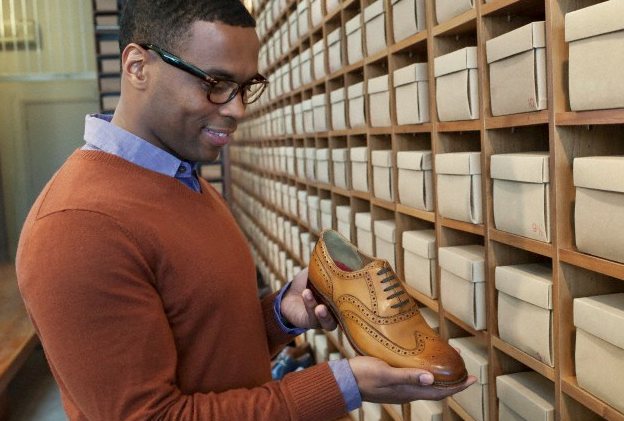
If you haven’t had your foot measured in a while, visit a shoe store to see what size you should wear. Make sure you haven’t been habitually buying shoes that are too small or too big, which can be an invitation for blisters and calluses.
About six out of 10 people with diabetes are wearing the wrong size shoes, according to a study at the University of Dundee in the United Kingdom. Another study found that only about one-fourth of all people wear the right size shoe.
When people with diabetes start experiencing nerve damage or numbness, they often gravitate toward shoes that are too small because tight shoes make it easier for them to feel the snugness on their feet. They mistake that tightness for good support. Instead, they need to wear shoes with comfortable — not tight — support.
Once you know your correct size, here are nine guidelines for choosing shoes when you have diabetes:
- Look for shoes that don’t come to a point at the toe. Instead, choose shoes with a spacious “toe box” — the forward tip of the shoe where the toes are. That way your toes won’t be crushed together. When your toes have space, it lessens the chance of corns, calluses, and blisters that can turn into ulcers and eventually infections.
- If the shoe’s insole is removable, take it out and step on it. Your foot should fit comfortably on top of it with no overlap. If your foot is bigger than the insole, then your foot will be crammed inside the shoe when you wear it. Choose a different shoe.
- Avoid high-heeled shoes because they put unnatural pressure on the ball of your foot. If you have neuropathy, you may not realize that you are sore there or even getting calluses. High heels also can cause balance issues and ligament damage.
- Steer clear of sandals, flip flops, or other open-toe shoes. Straps can put pressure on parts of your foot, leading to sores and blisters. In addition, open shoes can leave you susceptible to injury like cuts. They also can allow gravel and small stones to get inside the shoe. These can rub against your feet, causing sores and blisters.
- Consider laced shoes instead of slip-ons. They often provide better support and a better fit.
- Try on shoes at the end of the day. That’s when your feet are more likely to be a little swollen. If shoes are comfortable when your feet are swollen, they should feel fine the rest of the time, too.
- Don’t buy shoes if they are uncomfortable, planning to break them in as you wear them. Shoes should feel good when you first try them on. If you take off new shoes after wearing them a couple hours and find red, sensitive spots, don’t wear them again.
- Buy at least two pairs of supportive, comfortable shoes. Each pair will likely have different pressure points on your feet, so it will relieve the pressure when you alternate wearing different shoes. It will also allow your shoes to dry and air out when you don’t wear them every day.
- In some cases, the cost of special shoes is covered by Medicare for people with diabetes. You must meet certain criteria — such as foot deformities, past foot ulcers, or calluses that can lead to nerve damage — and must have a doctor’s prescription. Talk to your podiatrist or primary care doctor for more information.