Even with a balanced diet, many Black women may fall short of critical vitamins and minerals due to genetic, physiological, lifestyle, and social factors. Below are seven nutrients frequently under-recognized, their signs, challenges to absorption, and how to address them:
Iron
Vitamin D
Vitamin B12
Omega-3 Fatty Acids
Magnesium
Folate (Vitamin B9)
Zinc
Iron
Why Black Women Are at Risk
Black women are disproportionately affected by iron deficiency. Black Americans (especially women of reproductive age) may have higher rates of iron deficiency and iron deficiency anemia due to heavier menstrual bleeding, lower dietary intake, and possibly less efficient absorption.
Signs You’re Low
Persistent fatigue, low energy
Shortness of breath, especially with activity
Pale inner eyelids or pale nail beds
Hair shedding or thinning
Irregular heartbeats or palpitations
These are classic signs of anemia or low iron stores.
Featured on BlackDoctor
How Lifestyle, Diet & Stress Affect Absorption
Phytates & tannins: Compounds in whole grains, coffee/tea, and legumes can bind non heme iron (plant-based iron) and block absorption.
Calcium, zinc, and certain polyphenols compete with iron for absorption.
Chronic inflammation or infection raises hepcidin (a regulatory hormone), which decreases iron absorption and release from stores.
High stress and cortisol levels may also affect iron metabolism indirectly via inflammation.
Heme iron (animal sources; more absorbable): red meat, liver, poultry, fish
Non heme iron (plant sources): spinach, lentils, beans, fortified cereals — best absorbed when paired with vitamin C (e.g. citrus, red peppers)
Supplement options: ferrous sulfate, ferrous gluconate, or more gentle options like iron bisglycinate (less GI upset)
Always take iron supplements with vitamin C and away from calcium, coffee, or tea for better absorption
Safety & When to Test
Too much iron can be harmful (iron overload), so don’t supplement without testing.
Ask a provider for a full iron panel (serum iron, ferritin, TIBC).
Recheck every 3–6 months until levels normalize.
Vitamin D
Why Black Women Are at Risk
Melanin absorbs UV light strongly, which reduces the skin’s ability to synthesize vitamin D. This means Black women often require more sun exposure to make the same amount of vitamin D as lighter-skinned individuals.
Signs You’re Low
Bone or muscle aches
Fatigue or tiredness not relieved by sleep
Low mood and depressive symptoms
Frequent infections or immune challenges
Poor wound healing
How Lifestyle, Diet & Stress Affect Absorption
Spending time indoors or in deep shade limits UV exposure.
Sunscreen use, darker skin, and latitude all reduce endogenous production.
Obesity may sequester more vitamin D in fat tissue, making it less bioavailable.
Some medications (like anticonvulsants) interfere with vitamin D metabolism.
Food-Based Sources vs Supplements
Foods rich in vitamin D: fatty fish (salmon, mackerel), cod liver oil, fortified milk or dairy alternatives, fortified cereals
Supplement options: vitamin D3 (cholecalciferol) is more effective than D2 in raising levels
Take vitamin D with a meal containing fat to increase absorption
Aim for levels often recommended between ~30–50 ng/mL (though target ranges vary).
Avoid extremely high, unmonitored doses to prevent toxicity (hypercalcemia).
Vitamin B12
Why Black Women Are at Risk
B12 absorption can decline with age or GI changes (atrophic gastritis, H. pylori infection). In addition, some people with Black heritage may have altered absorption or metabolism, though research is limited. Low B12 is more common in strict plant-based diets.
Low stomach acid or lack of intrinsic factor (autoimmune pernicious anemia) can impair absorption.
Long-term use of proton-pump inhibitors (PPIs) or metformin may reduce B12 absorption.
GI disorders (Crohn’s, celiac) or bowel surgeries reduce absorption area.
Food-Based Sources vs Supplements
Animal sources: meat, fish, eggs, dairy
For vegetarians/vegans: fortified foods (nutritional yeast, fortified plant milks)
Supplement options: methylcobalamin or cyanocobalamin — some prefer methyl form for better CNS uptake
Safety & When to Test
Test serum B12, methylmalonic acid (MMA), and homocysteine if borderline.
Supplement under medical supervision if deficient — injections may be needed in severe cases.
Omega-3 Fatty Acids (EPA & DHA)
Why Black Women Are at Risk
Many diets are low in fatty fish and high in omega-6 oils, shifting the balance away from anti-inflammatory omega-3s. Social and economic barriers can limit access to high-quality seafood or supplements.
Signs You’re Low
Dry skin, brittle nails
Cognitive fog or memory issues
Mood disturbances or low mood
Difficulty reducing inflammation, joint stiffness
How Lifestyle, Diet & Stress Affect Absorption
High intake of omega-6 (linoleic acid) can compete and reduce conversion of ALA to EPA/DHA.
Poor gut health may impair fat digestion and absorption.
Chronic stress and inflammation may increase demand for anti-inflammatory nutrients like omega-3s.
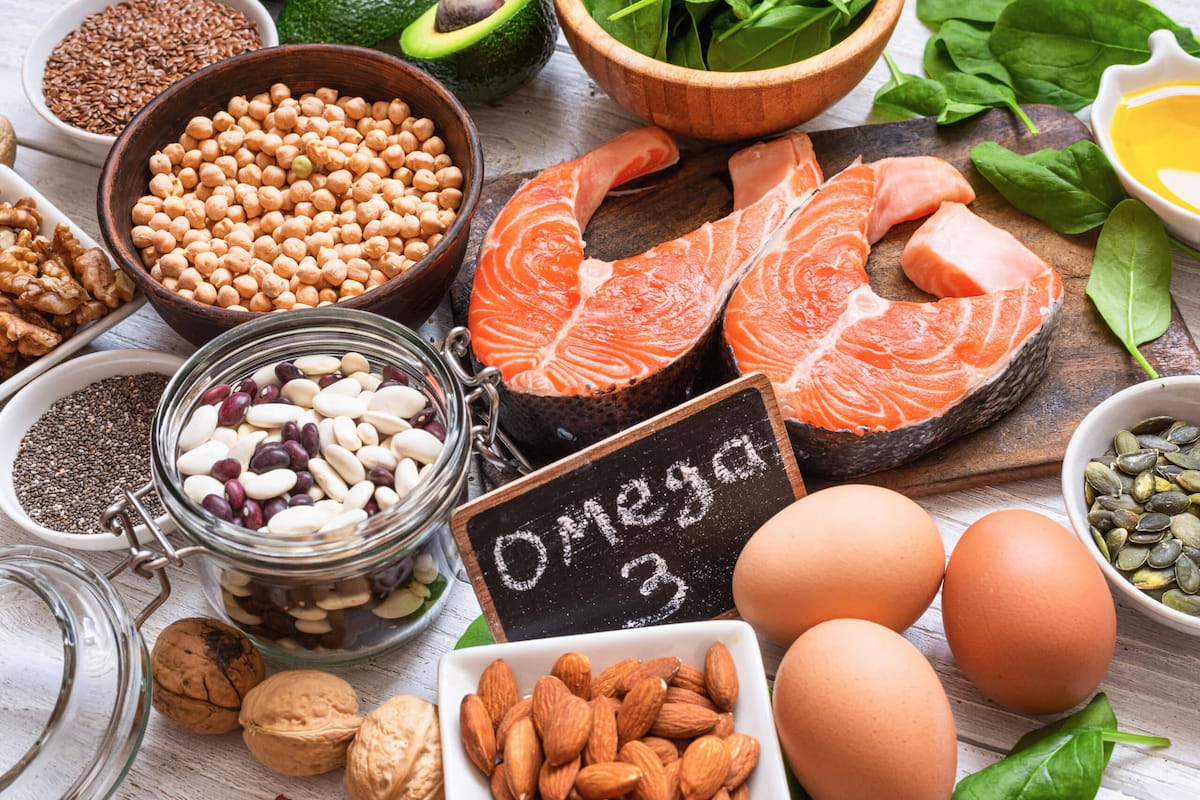
Supplement options: fish oil, algal oil, cod liver oil
Look for re-esterified triglyceride or phospholipid forms (better absorption)
Choose third-party tested products to avoid heavy metal contamination
Safety & When to Test
Testing via an omega-3 index (red blood cell profile) can show your DHA+EPA percentage.
Be cautious with high doses if on anticoagulants or with bleeding risk — consult health provider.
Magnesium
Why Black Women Are at Risk
Data shows that many women consume less magnesium than recommended; Black women sometimes report lower average intakes. Also, magnesium is involved in so many body systems — deficiency impacts nerves, sleep, mood — making them more noticeable.
Signs You’re Low
Muscle cramps or spasms
Trouble sleeping or insomnia
Anxiety, irritability
Irregular heartbeats
Low energy or fatigue
How Lifestyle, Diet & Stress Affect Absorption
Competing minerals: high calcium or zinc intakes may compete.
Supplement options: magnesium glycinate or citrate (more bioavailable)
Best taken away from high-dose zinc or calcium to avoid competition
Safety & When to Test
Serum magnesium may not reflect total body stores; signs and symptoms are often more informative.
Avoid ultra-high doses (>350 mg elemental daily) without medical supervision.
Consider dividing doses and taking in evening if beneficial for sleep.
Folate (Vitamin B9)
Why Black Women Are at Risk
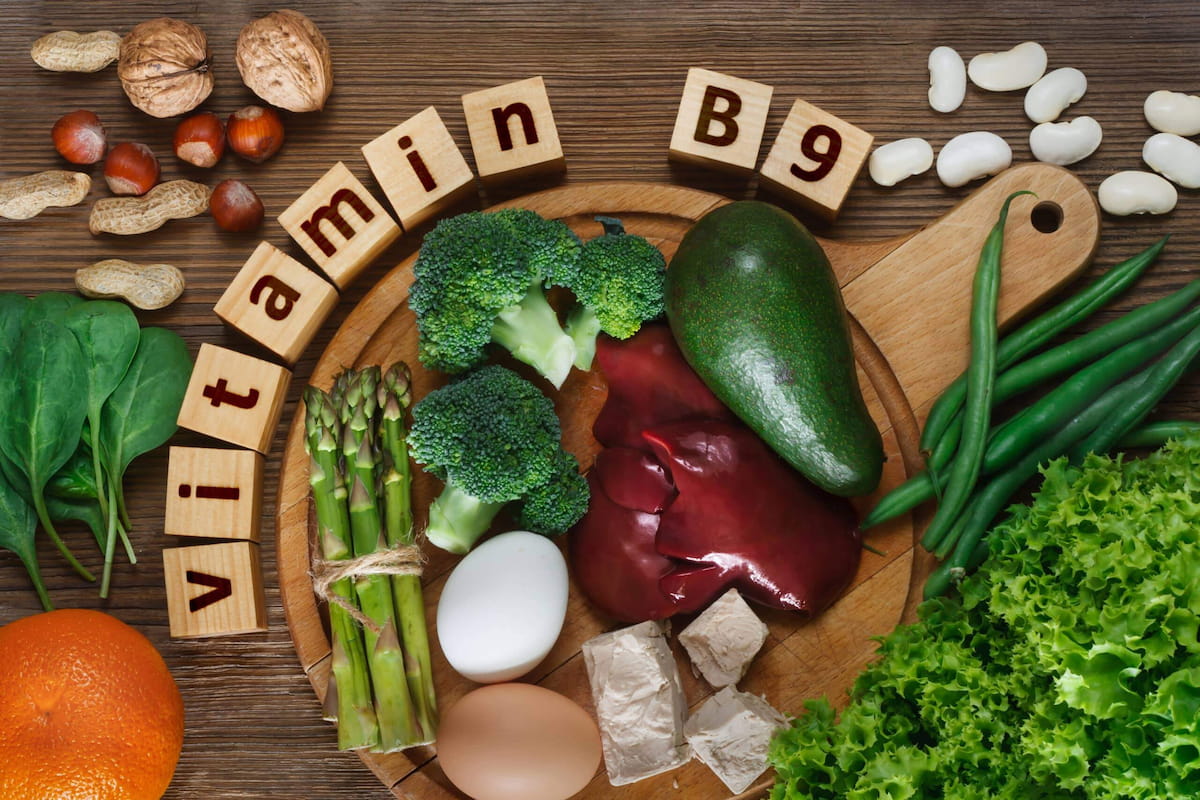
Folate needs are higher during childbearing years. Some genetic variations (MTHFR polymorphisms) common in many populations may impair folate metabolism. Food fortification helps, but dietary gaps persist.
Signs You’re Low
Megaloblastic anemia (with B12 deficiency)
Fatigue, weakness
Glossitis (inflamed tongue)
Poor growth or developmental issues in pregnancy
How Lifestyle, Diet & Stress Affect Absorption
Alcohol, certain medications (anticonvulsants) may interfere.
Inflammation or intestinal conditions reduce absorption.
High omega-3 or B12 imbalance may indirectly affect folate cycling.
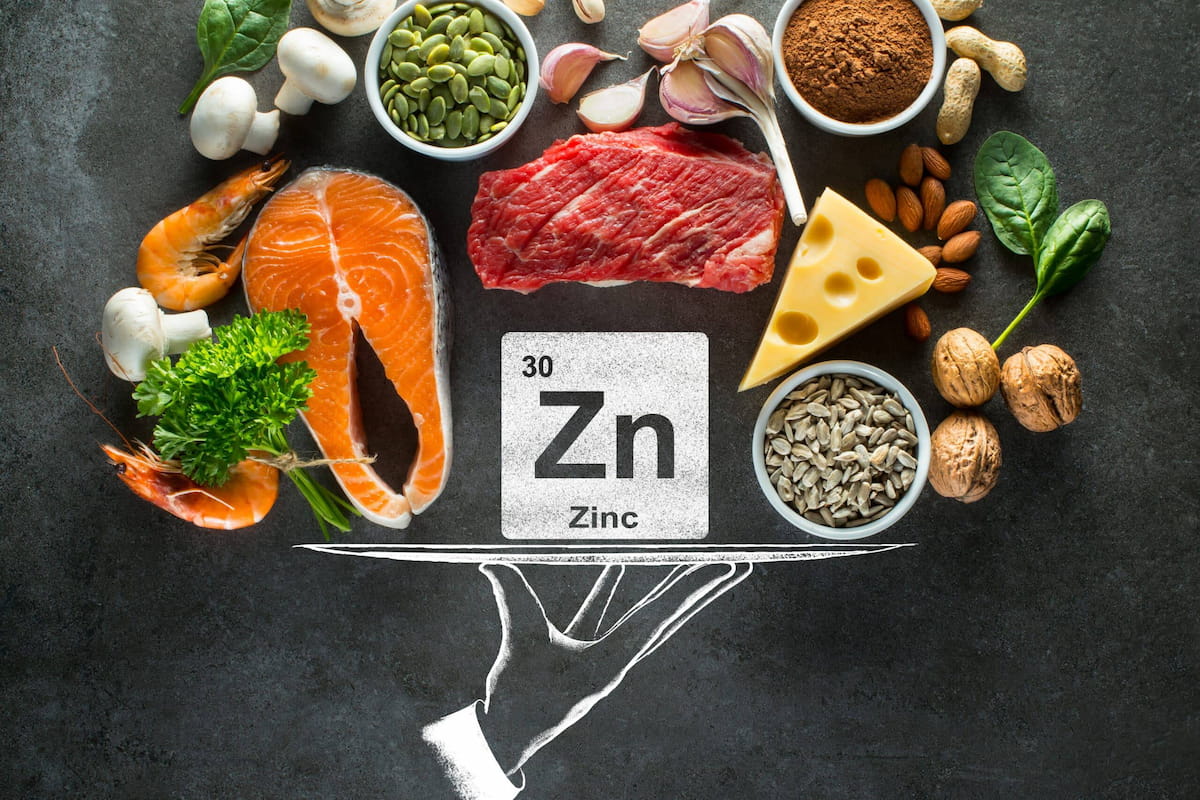
Supplement options: zinc picolinate, zinc bisglycinate (gentler), but do not exceed ~40 mg elemental unless supervised
Safety & When to Test
Test plasma zinc (not always reflective) or consider functional markers like alkaline phosphatase.
Avoid high-dose zinc taken long-term without breaking because excessive zinc may interfere with copper absorption or cause GI upset.
A Sample Daily Strategy
Sample Daily Strategy: How to Support Your Nutrient Balance
Creating a daily rhythm that supports your body’s micronutrient needs doesn’t have to feel overwhelming. The goal is to strategically pair foods and supplements to maximize absorption while avoiding the common pitfalls that block key minerals and vitamins. Below is a realistic day-to-day example of how you can structure your meals and supplement timing to keep your iron, vitamin D, magnesium, omega-3s, folate, zinc, and B-vitamins working together — not against each other.
Morning: Build Your Foundation
Your first meal should set the tone for sustained energy and balanced blood sugar.
Start with: A bowl of oatmeal topped with spinach or kale, berries, and a splash of fortified plant milk or dairy milk.
Add protein: Include an egg, Greek yogurt, or tofu for extra iron and B12.
Why it works: The combination of iron-rich greens and vitamin C from berries boosts iron absorption, while the fortified milk contributes vitamin D and calcium.
Mid-Morning: Snack for Strength
Snacking smartly helps fill nutrient gaps that meals might miss.
Snack idea: A small handful of almonds, pumpkin seeds, or trail mix with dried fruit.
Nutrient focus: Magnesium, zinc, and healthy fats.
Why it works: Pumpkin seeds are an excellent source of both magnesium and zinc — two minerals often low in women under chronic stress.
Lunch: Load Up on Omega-3s and Folate
Midday meals are a great time to emphasize anti-inflammatory nutrients and leafy greens.
Main dish: Grilled or baked salmon, trout, or sardines.
Sides: A salad with lentils or chickpeas, dark leafy greens, and a squeeze of lemon or lime.
Why it works: The fish delivers omega-3 fatty acids (EPA and DHA), the greens supply folate, and the vitamin C in citrus improves iron absorption from the legumes.
Afternoon: Mindful Supplement Timing
If you use supplements, this is often the best time to take them.
B12 supplement: Take mid-day or early afternoon — ideally with a light meal containing fat for absorption.
Vitamin D supplement: Pair with your lunch or a snack that includes healthy fats (e.g., nuts or avocado).
Why it works: Both B12 and vitamin D support energy metabolism and cognitive focus, helping you avoid that “afternoon crash.”
Dinner: Restore and Replenish
Evening meals are an opportunity to round out your nutrient intake with a calm, nourishing approach.
Main dish: Lean poultry, tofu, or beans with sautéed vegetables and a whole grain side (like quinoa, farro, or brown rice).
Add color: The more colors on your plate, the more phytonutrients, magnesium, and zinc you’ll get.
Why it works: Protein supports muscle repair, and complex carbs help magnesium uptake and promote better sleep.
Evening: Wind Down and Support Recovery
Your nighttime routine should support relaxation, digestion, and quality rest — all vital for nutrient utilization.
Magnesium supplement: Take magnesium glycinate or citrate about an hour before bed. These forms are well-absorbed and gentle on the stomach.
Hydration: Drink a glass of water before bed, but not too much that it disturbs sleep.
Optional ritual: Herbal teas like chamomile, lemon balm, or rooibos (naturally caffeine-free) can calm the nervous system.
When to Test & Work With a Provider
Persistent fatigue, hair loss, mood issues, or repeated infections are signs to get labs.
Ask for a micronutrient panel (e.g. ferritin, 25-OH vitamin D, B12, magnesium, folate, zinc).
Don’t self-supplement massively without medical oversight — more is not always better.
Re-test after 3–6 months of adjustment to see if your interventions are working.
BlackDoctor is the world’s largest and most comprehensive online health resource specifically for the Black community. BlackDoctor understands that the uniqueness of Black culture - our heritage and our traditions - plays a role in our health. BlackDoctor gives you access to innovative new approaches to the health information you need in everyday language so you can break through the disparities, gain control and live your life to its fullest.
✦ AI Search Disclaimer This AI-powered search tool helps you find relevant health articles from the BlackDoctor.org archive. Please keep the following in mind:
✦ For Informational Purposes Only The information provided through this AI search is for general educational and informational purposes only. It is not intended as a substitute for professional medical advice, diagnosis, or treatment.
✦ Always Consult a Healthcare Provider Never disregard professional medical advice or delay seeking it because of something you have read through this search tool. If you have a medical emergency, call your doctor or 911 immediately.
✦ AI Limitations This search tool uses artificial intelligence to help match your queries with articles in our archive. While we strive for accuracy, AI-generated results may occasionally be incomplete, outdated, or not fully relevant to your specific situation.
✦ No Doctor-Patient Relationship Using this search tool does not create a doctor-patient relationship between you and BlackDoctor.org or any healthcare provider.
Explore over 35,000 articles and videos across black health, wellness, lifestyle and culture