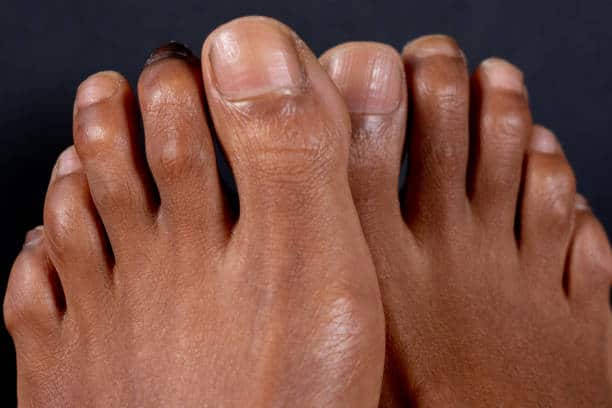
Nail fungus, or onychomycosis, is a common condition that significantly impacts nail health and appearance. While “nail fungus treatment” is available, the consensus among experts is clear: prevention is paramount. Dealing with a fungal nail infection, which predominantly affects toenails, can lead to persistent discomfort and aesthetic concerns. Symptoms include nail discoloration (yellow, brown, or white), thickening, brittleness, and separation from the nail bed. If left untreated, the infection can escalate, causing pain, difficulty wearing shoes, and in severe cases, requiring medical intervention. Therefore, understanding and implementing preventative measures is crucial.
Before diving into prevention, it’s essential to understand the factors that contribute to nail fungus development. Fungi thrive in warm, moist environments, making sweaty shoes and public facilities ideal breeding grounds. Factors that increase risk include:
Symptoms of nail fungus include a nail or nails that are:
RELATED: Foot Fungus: Old Problem, New Solution
This helps prevent debris from building up under the nails and minimizes the risk of nail injuries. Cut your nails straight across to keep them strong and avoid ingrown toenails.
They should never touch your toenails. In addition, alternate the shoes you wear daily so that they can air out before you wear them again.
Fungus thrives in warm, moist areas, like in hot sweaty shoes. Wear sandals whenever possible, and if you have to wear socks, choose ones that wick moisture away from your skin.
Spray or sprinkle it inside your shoes and on your socks before putting your shoes on to control sweat that can prompt fungal infections.
This is especially important in hot weather or before a workout.
Even when taking a shower in a public place, it’s important to wear shower shoes or flip flops, as the fungus that causes athlete’s foot, ringworm and other skin conditions may be on the floor.
If you go to a nail salon for a pedicure, look around to make sure that staff is sanitizing tools and thoroughly disinfecting footbaths before each use, or use your own footbath.
If the salon does not appear clean, move on.
Despite diligent prevention, “nail fungus treatment” may become necessary. Options include:
RELATED: Cure Your Toenail Fungus With These Natural Remedies
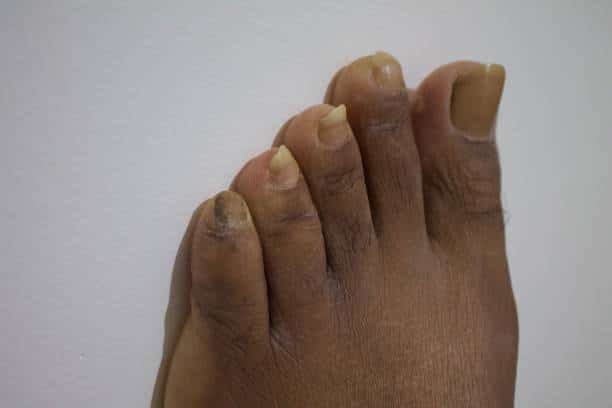
If your condition is mild and not bothering you, you may not need treatment. Nail fungus that is painful and causes thickened nails may be treated through self-care steps or medications. Unfortunately, even if treatment is successful, nail fungus often comes back.
While mild cases might not require immediate treatment, it’s crucial to consult a healthcare provider if:
RELATED: 6 Things Your Nails Say About Your Health
A combination of oral and topical antifungal medications, often paired with laser treatment, yields the highest success rates.
Vicks VapoRub contains ingredients with mild antifungal properties, but it’s not a reliable or long-term solution.
While hydrogen peroxide has antiseptic properties, it’s not a proven treatment for nail fungus and may cause skin irritation.
Mild cases might respond to over-the-counter treatments, but a medical professional should be consulted for proper diagnosis and a treatment plan.


By subscribing, you consent to receive emails from BlackDoctor.com. You may unsubscribe at any time. Privacy Policy & Terms of Service.