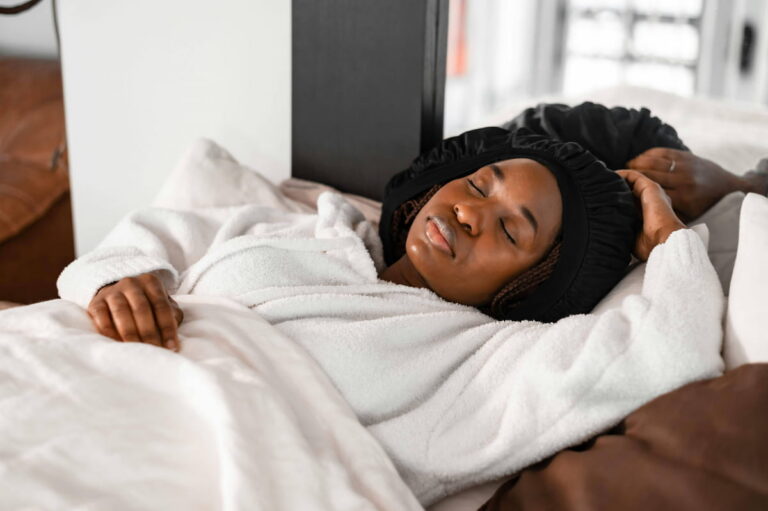
Menopause is a natural phase in every woman’s life, marking the end of menstrual cycles and a significant shift in hormonal balance. While it can bring freedom from periods and potential pregnancy, it also triggers several changes in the body that affect hair and skin. These changes are primarily driven by the decrease in estrogen and progesterone levels. Below are ten ways menopause impacts hair and skin, along with tips on how to manage these changes to maintain healthy, beautiful skin and hair.
RELATED: How To Regrow Thinning Hair
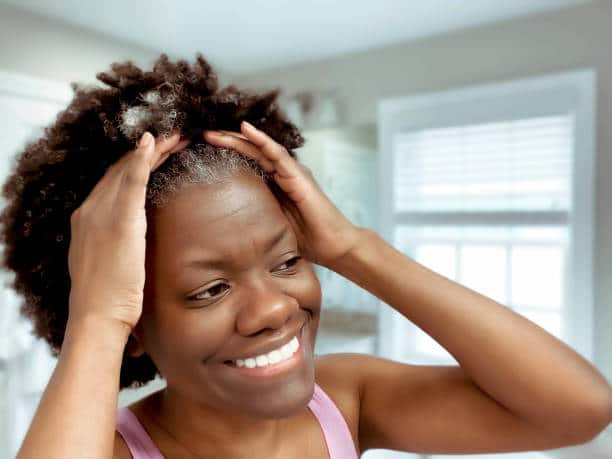
One of the most common beauty concerns during menopause is thinning hair. Reduced estrogen levels lead to a decrease in hair density, making hair strands finer and weaker. This often results in overall thinning, and in some cases, increased hair shedding or hair loss.
How to Manage:
Hormonal fluctuations can reduce the scalp’s oil production, leading to drier, more brittle hair. This can cause breakage and make hair appear dull and lifeless.
How to Manage:
A surprising side effect of menopause is an increase in facial hair growth. With estrogen levels dropping, testosterone becomes more dominant, which can lead to unwanted hair on the chin, upper lip, or jawline.
How to Manage:
RELATED: 7 Ways to Prioritize Self-Care During Perimenopause and Menopause

The reduction in collagen production during menopause weakens the skin’s structure, leading to sagging, particularly around the jawline and cheeks. Estrogen is essential for maintaining skin elasticity, and its decline accelerates the aging process.
How to Manage:
Just as menopause dries out hair, it also affects the skin’s moisture levels. Estrogen stimulates oil glands, so without it, skin becomes drier and more prone to flaking or itching.
How to Manage:
With hormonal changes, the skin’s protective barrier weakens, which can lead to increased sensitivity. Skin that was once tolerant may now react to products, causing redness, irritation, or even allergic reactions.
How to Manage:
Collagen and elastin—proteins responsible for skin’s firmness—begin to break down more rapidly during menopause. The result is more pronounced wrinkles and fine lines, especially around the eyes, mouth, and forehead.
How to Manage:
RELATED: 5 Natural Remedies For Hyperpigmentation (Dark Spots on Your Neck, Cheek, Belly, Etc)
Changes in estrogen levels can lead to increased melanin production, resulting in hyperpigmentation or “age spots.” These dark spots typically appear on areas exposed to the sun, like the face, hands, and chest.
How to Manage:
Menopause often brings a loss of facial fat, leading to hollow cheeks, thinner lips, and a more gaunt appearance. This is due to the natural decline in estrogen, which affects fat distribution.
How to Manage:
RELATED: Acne over 30? Here’s How to Get It Under Control
While menopause is often associated with dry skin, some women experience acne due to fluctuating hormones. The increase in androgens (male hormones) can trigger excess oil production, leading to clogged pores and breakouts.
How to Manage:
Menopause can bring significant changes to hair and skin due to hormonal shifts, but understanding these changes and taking proactive steps can help manage their impact. From adjusting skincare routines to embracing new hair care habits, there are ways to maintain beauty and confidence throughout this transformative stage. Always consult with a dermatologist for personalized advice, especially when considering more advanced treatments.
By focusing on hydration, sun protection, and products that encourage collagen production, you can keep your hair and skin looking healthy, radiant, and youthful during and after menopause.


By subscribing, you consent to receive emails from BlackDoctor.com. You may unsubscribe at any time. Privacy Policy & Terms of Service.