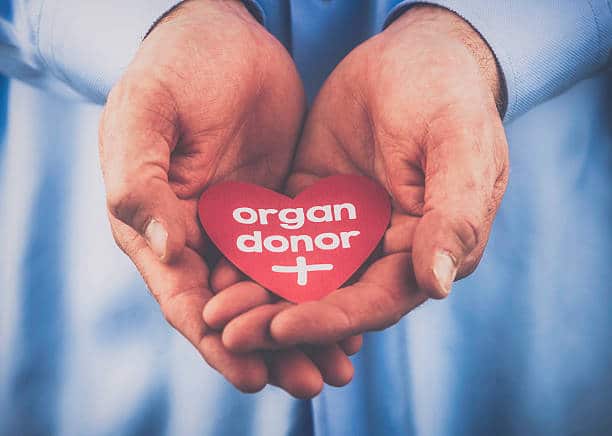
According to the Health Resources and Services Administration (HRSA), there are over 103,000 people on the organ transplant waitlist as of September 2024. Astonishingly, almost 90,000 of them are waiting for a kidney transplant while a little over 9,000 need a liver transplant. What’s interesting about this is that they don’t have to wait for someone to be deceased to receive these organs. A living donor can give a kidney or a part of their liver to someone who needs it. And yet, every day 17 people die waiting for an organ transplant. The latest numbers show that only five percent of organ donations come from living donors. You can make a difference in someone’s life by becoming a living donor so let’s look at what you need to do for that to happen.
The criteria you need to meet may vary depending on the organ you want to donate but there are a few general ones. You should be in good physical health, between the ages of 18 and 65, willing to avoid alcohol or certain medications for at least six weeks before surgery and two months after it, and at a BMI of 32 or lower before surgery.
You’re also unlikely to be considered for an organ transplant if you’re pregnant or unwilling to stop smoking for at least six weeks before surgery. Typically, your mental health may be considered during the assessment. That’s because undergoing surgery and donating an organ can be strenuous. You’ll need to follow their strict instructions to be ready for surgery and to recover well once the procedure is done. Doctors want to ensure that you understand what you’re getting into and won’t have second thoughts when the time comes.
It’s also important to note that you shouldn’t benefit financially from donating your organs as this is illegal. If it’s revealed that you were paid for the donation, it’s possible that everyone who participated in the surgery could get into trouble.
RELATED: What Black Patients Need to Know About Bone Marrow Transplants
The steps involved in becoming a living donor can vary depending on what you’re donating and if you’re giving the organ to someone you know. If you’re donating to someone you know, the first steps will include a physical examination to determine if you’re in the best health. Part of the physical examination may consist of cardiac or imaging tests.
You will also do blood tests to establish your health and blood type. These tests can include liver or kidney function tests. If the doctor has any concerns, you may need to do a biopsy to prove that the organ you wish to donate is healthy.
Your blood type is important because you must be a match for the person you want to donate to. For example, someone with an AB blood type can only receive an organ from someone with the same type. On the other hand, if you have an O blood type, you can donate to patients with O, A, B, and AB.
If there’s a match, the doctors will guide you and the patient through the steps of getting ready for the procedure. The surgery will then be scheduled. If you’re not a match, the doctors will have to test other people. They may still encourage you to join the list of living donors as you may be a match for someone else.
The steps are slightly similar for those who are interested in donating an organ to a stranger. In this case, you should contact the organ transplant office that’s closest to you. After collecting some information over the phone, you may be invited for an in-person evaluation. If that’s successful, you’ll undergo the same amount of screening that was mentioned previously. Once that’s done, you will have to wait for the decision of a review committee. If they give the go-ahead, you’ll be designated a living organ donor and will be assessed against the people on the waiting list.
RELATED: Finding Your New Normal: A Day in the Life Post-Transplant
Whether or not you’re donating to a stranger, you’ll undergo surgery at the same time. Generally, this means that surgeons will be removing the organ from you while the recipient is being prepared to receive it. If you’re donating a kidney, the entire organ will be removed but you only need to donate a portion of your liver. It’s typical for doctors to take about 15 percent of your liver but they can take up to a third of it without affecting its ability to regenerate.
The surgery will be done under anesthesia and you’ll likely stay in the hospital for a few days for evaluation. During this time, you may have IV lines that give you fluids and medications, tubes in your stomach for draining fluids, and a catheter in your bladder to get rid of urine. Some of the issues your doctor will look out for include bleeding, blood clots, nerve damage, constipation, bile duct damage, and a buildup of fluid in your abdominal cavity. You’ll be allowed to go home once you show signs of recovering well after removing all the lines and tubes.
While home, you should keep an eye out for excessive pain or bleeding as well as any signs of infection. These should be brought to the doctor’s attention immediately. Your recovery can take between three to six months and you may be required to avoid certain activities like driving, strenuous physical activity, heavy lifting, drinking, and smoking.
It’s typical to have doctor visits during the recovery process, as well. You can expect check-ups at one month, three months, a year, and two years after the procedure.
It’s estimated that eight new people are added to the organ donor waitlist every day. While the statistics don’t say which one of these needs a kidney or liver, the chances are high that they’re in there. You can make a positive impact on that number by volunteering to be a living donor – especially if you’re Black.


By subscribing, you consent to receive emails from BlackDoctor.com. You may unsubscribe at any time. Privacy Policy & Terms of Service.