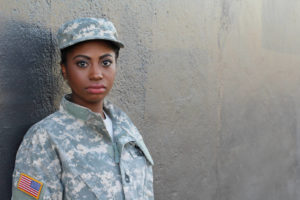
Deployment can put stress on just about anyone enlisted, however for pregnant women, it comes with even bigger consequences. A new study suggests, American soldiers who have babies after a recent deployment is at increased risk of preterm birth.
The finding comes from the analysis of data on nearly 12,900 births to U.S. soldiers from 2011 to 2014. Overall, just over 6 percent of the births were premature – three or more weeks early. That rate is lower than in the general population.
However, the preterm birth rate among those who had returned from military deployment within the previous six months was 11.7 percent. On average, these women were younger, made less money and had lower levels of education than other military moms.
“What’s important is the timing of deployment,” said study author Dr. Jonathan Shaw, a clinical assistant professor of medicine at Stanford. Women recently back from deployment were at higher risk for preterm birth, the study found.
“Pregnancies that overlapped with deployment or the period of returning home were much more likely to end in preterm birth, which has impacted not only on the health of the infant but also on the mother and family,” Shaw said in a university news release.
However, among women who’d recently returned, the degree of risk for premature birth did vary with their number of previous deployments. Chances of an early delivery were 1.6 times greater with one previous deployment, 2.7 times higher with two earlier deployments and 3.8 times greater with three or more previous deployments, compared with women who’d never been deployed.
Among soldiers who had babies within six months after returning from deployment, 74 percent were
deployed seven to 10 months before giving birth. This suggests that, in many cases, conception occurred during deployment.
Pregnancy during deployment is considered a medical emergency that requires immediate evacuation from conflict areas, the researchers noted.
“The concerns raised by these findings are heightened in the context of prior research documenting high rates of unintended pregnancy in the military and emerging evidence that the most reliable forms of contraception (long-acting reversible contraceptives) are underutilized in the Army, especially around the time of deployment,” the study authors wrote.
“This study shows that the time around deployment is a period during which we should empower our soldiers to prevent unintended pregnancies,” Shaw said.
“It’s reassuring that deployment itself is not a risk factor for having a premature baby,” but female soldiers need to understand the risks of becoming pregnant around the time of deployment, Shaw said.
“We could tell them it’s a pretty stressful time, consider returning home and settling in for a few months before you add to your family,” he suggested.
The truth is, some women have to work up until they give birth to their offspring. Not everyone has the privilege to take off months in advance before they give birth. However, it is important for them to know their limitations. Obligations and certain thresholds may need to be met, however with proper planning and adequate timing, they can certainly decrease their risks of preterm births. Once you find out that you are pregnant, you must start your birthing plan immediately and take action.
Having a healthy mindset and plan of action will ultimately lead to healthier births in the end.
SOURCE: Stanford University, news release, March 1, 2018



By subscribing, you consent to receive emails from BlackDoctor.com. You may unsubscribe at any time. Privacy Policy & Terms of Service.