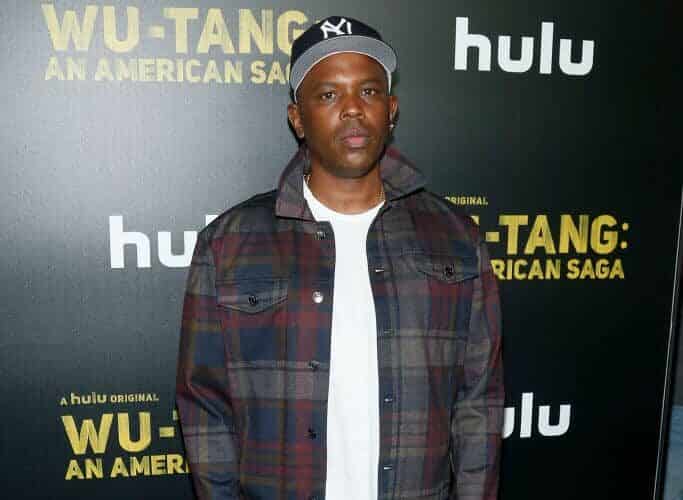
Oliver “Power” Grant, the behind-the-scenes force who helped turn Wu-Tang Clan from a Staten Island movement into a global cultural empire, has passed away at the age of 52. Wu-Tang confirmed the news in a social media post, writing “Rest in Power, Power,” while tributes from the Clan and peers quickly followed.
For many fans, Grant’s name wasn’t as instantly recognizable as the rappers’ on classic album covers. But inside hip-hop—especially inside the Wu universe—“Power” carried a reputation that matched the nickname: builder, connector, early believer, and brand architect. In an era when rap groups were often boxed into short-term record deals and limited creative control, Grant pushed a different blueprint: ownership, leverage, and cultural reach that extended far beyond music.
Accounts of Grant’s role in Wu-Tang’s origin story consistently point to two things: proximity and conviction. He was part of the inner circle early—close enough to understand the stakes, and confident enough to back the vision before the mainstream caught up. Reporting on his legacy highlights his early support and business involvement around the group’s breakthrough era, including the period surrounding the landmark debut Enter the Wu-Tang (36 Chambers).
That debut didn’t just introduce a rap group; it rewired the industry’s expectations for what a collective could be—raw street poetry, kung-fu mythology, dense slang, and a sound that felt like concrete and crackling vinyl. The Wu aesthetic was so singular that it demanded infrastructure around it: money decisions, touring decisions, branding decisions, licensing decisions. That’s where Grant’s influence becomes unmistakable. Coverage of his career repeatedly emphasizes that he wasn’t simply “around” Wu-Tang—he helped engineer the business pathways that let the art stay uncompromised while still reaching the world.
If you want a clean example of Grant’s impact on the wider music business, look at Wu Wear.
Long before it became standard for artists to run apparel lines as serious companies, Wu Wear helped prove that a hip-hop brand could compete in fashion on a national scale—not just as merch, but as lifestyle. Grant is widely credited with launching and leading the Wu Wear clothing line in the mid-1990s, extending Wu-Tang’s identity into closets, malls, and mainstream retail.
That move mattered beyond Wu-Tang. It foreshadowed the modern era where artists treat branding as an ecosystem: music feeds fashion, fashion feeds touring, touring feeds partnerships, and the whole machine reinforces the story. Today, it’s common to see superstar artists with creative directors and brand teams. In the ‘90s, that approach was still being invented in real time—and Grant was one of the people helping invent it.
Grant’s entrepreneurial reach wasn’t confined to clothing. Coverage of his life notes his work across entertainment, including involvement in projects that expanded Wu-Tang’s presence in pop culture, as well as on-screen appearances (including film roles reported in multiple obituaries).
That multi-lane approach—music, fashion, media—helped solidify Wu-Tang not just as a group, but as a mythos. And in hip-hop, mythos is power: it keeps the catalog alive, attracts new listeners, and turns a moment into a legacy.
When a group like Wu-Tang mourns someone publicly, the words tend to carry extra weight, because their brotherhood has always been part of the story. In the wave of posts after his death, members and peers spoke about Grant with the kind of language reserved for family—more grief than “industry condolences.”
And that’s the thing about figures like Oliver “Power” Grant: they often operate in the seams. They’re not always on the microphone, but they’re in the meetings, the phone calls, the risky early decisions, the late-night logistics, the strategy that lets the music travel further than it otherwise could. When they’re gone, the absence is structural.
Wu-Tang’s own Method Man and Raekwon and others paid tribute to Power.

“Paradise my Brother safe Travels!! #pookie #power Bruh I am not ok .. ️” Method Man wrote.
“A 5 star General in the army of life !” Raekwon said. “They don’t make em like you anymore . thankyou BIG POWERFUL we gave you that name for many reasons . may allah preserve a place for you and forgive ya sins . condolences to the Grant family ! rest well Pook.”

Grant’s death at 52 lands in a moment when many people feel like they’re hearing “died in their 50s” far too often. Every individual story is different—and in Grant’s case, public reporting has not disclosed a cause of death. But the broader takeaway is still worth sitting with: midlife is not “too early” for serious health risks.
Heart disease, for example, remains the leading cause of death for men in the United States. The good news is that many of the biggest risks are modifiable—and the most effective plan is usually boring, consistent, and preventative:
1. Don’t skip routine preventive care.
Regular checkups aren’t just for when something hurts—preventive visits are where screening and early detection happen.
2. Treat blood pressure, cholesterol, and diabetes risk like “now” problems.
These can rise quietly for years and dramatically increase heart attack and stroke risk. A primary care clinician can help you track numbers and decide when lifestyle changes or meds are worth it.
3. Get your colon cancer screening on schedule.
For average-risk adults, the USPSTF recommends colorectal cancer screening from 45 to 75 (with multiple testing options).
4. Move weekly, not occasionally.
The American Heart Association recommends at least 150 minutes/week of moderate-intensity activity (or 75 minutes vigorous), ideally spread out, plus muscle-strengthening activity.
5. Prioritize sleep and stress like they’re vital signs.
Chronic stress and poor sleep don’t just affect mood—they’re tied to blood pressure, weight, and metabolic health. If you snore loudly, wake up unrefreshed, or feel daytime sleepiness, ask about sleep apnea screening.
6. Update vaccines that matter more with age.
CDC guidance for adults emphasizes staying current on recommended immunizations; for many people over 50, that can include shingles vaccination and other age/risk-based vaccines your clinician will tailor to you.
7. Be honest about alcohol.
CDC defines “moderate” drinking as two drinks or less per day for men—and notes that even moderate drinking can carry risks compared with not drinking.
8. Know the “don’t-wait” symptoms.
Chest pressure, sudden shortness of breath, one-sided weakness/numbness, fainting, and severe sudden headache are all reasons to seek urgent care—fast.
Oliver “Power” Grant helped build something that outlived trends: a culture, a brand, a standard for independence. His passing is a reminder of how much vision sits behind the art we love—and, just as important–how fragile time can be.
Rest in Peace, Power.



By subscribing, you consent to receive emails from BlackDoctor.com. You may unsubscribe at any time. Privacy Policy & Terms of Service.