
A recent study from McMaster University found that wrist-worn wearable devices (such as smartwatches) can detect sleep irregularities that may signal the risk of depression relapse several weeks before it happens.
Relapse in major depressive disorder (MDD) is fairly common, with over 50 percent of people experiencing subsequent episodes, often within two years of recovery. Early signs of relapse can include sleep and appetite changes, returning sadness, and loss of interest.
Black people diagnosed with MDD are disproportionately impacted by the disease. They are more likely to present with more severe symptoms and a higher risk of relapse. Untreated or undertreated symptoms, high socioeconomic stress, stigma, and systemic barriers to quality mental healthcare often drive these disparities.
MDD relapse not only impacts mental well-being but can also cause financial strain, higher rates of hospitalization, emergency department visits, and intensive medication use. Patients can also face indirect costs, including decreased workplace productivity, absenteeism, and lost income.
The latest research could help Black patients detect early warning signs of a depression relapse and seek care before symptoms worsen with something as simple as a smartwatch.
The study, published in JAMA Psychiatry, followed 93 adults with remitted MDD for 1 to 2 years. Researchers found that increasingly irregular sleep patterns nearly doubled the risk for depression relapse. The strongest predictor was a disrupted circadian rhythm, noted by daytime activity vs. nighttime rest.
“Our findings are consistent with prior research showing that sleep disturbance functions both as a symptom of an acute depressive episode and as an early warning signal of future relapse,” lead author Benicio Frey, MD, PhD, professor of psychiatry at McMaster University in Hamilton, Ontario, Canada, told Medscape Medical News.
“The data suggest that the biology may extend beyond sleep itself, pointing to broader disruptions in circadian rhythms,” he added.
Dr. Frey added that these early warning signs give doctors and patients an opportunity develop an intervention that addresses sleep troubles before they start to impact MDD.
Many people may assume sleep problems are just another symptom of depression. But this new study suggests that sleep changes may occur before a relapse—almost like an early warning sign.
Your body runs on its own internal clock called a circadian rhythm. Your circadian rhythm controls your sleepiness, when you wake up, your energy levels, and even your mood. When that rhythm gets disturbed and becomes irregular—like going to bed at different times, frequently waking up during the night, or sleeping much more or much less than usual—it can affect your mental health.
The latest findings are important because they allow patients and providers to intervene early, before symptoms worsen.
Although the study didn’t specifically focus on race, its implications are crucial for Black people with MDD.
When it comes to sleep, research shows that Black people are more likely to experience:
Work stress, finances, and discrimination can lead to poor sleep quality. Over time, these factors, paired with poor sleep, can make it challenging to manage depression.
Additionally, Black people with depression are often less likely to receive consistent, high-quality mental healthcare. Depression may go undiagnosed, undertreated, or untreated due to lack of access, stigma, or medical mistrust.
When you combine all three factors—higher stress levels, sleep disturbances, and gaps in mental healthcare—the risk of relapse can significantly increase for Black people.
If you already own a smartwatch, this research could help motivate you to pay more attention to your sleep data. While you don’t necessarily need to obsess over the numbers, they could provide some helpful insights into how you’re sleeping at night.
It’s best to reach out to your provider or therapist if you notice:
Please note that sleep changes alone don’t automatically mean a relapse is coming. However, it could signal that your body is undergoing stress and needs some extra support.
If you don’t own a smartwatch or aren’t interested in purchasing one, you can simply track your sleep in the notes app of your phone or in a journal, too.
Regardless of whether you choose to use a smartwatch, there are small, practical habits you can adopt to create a more stable sleep routine:
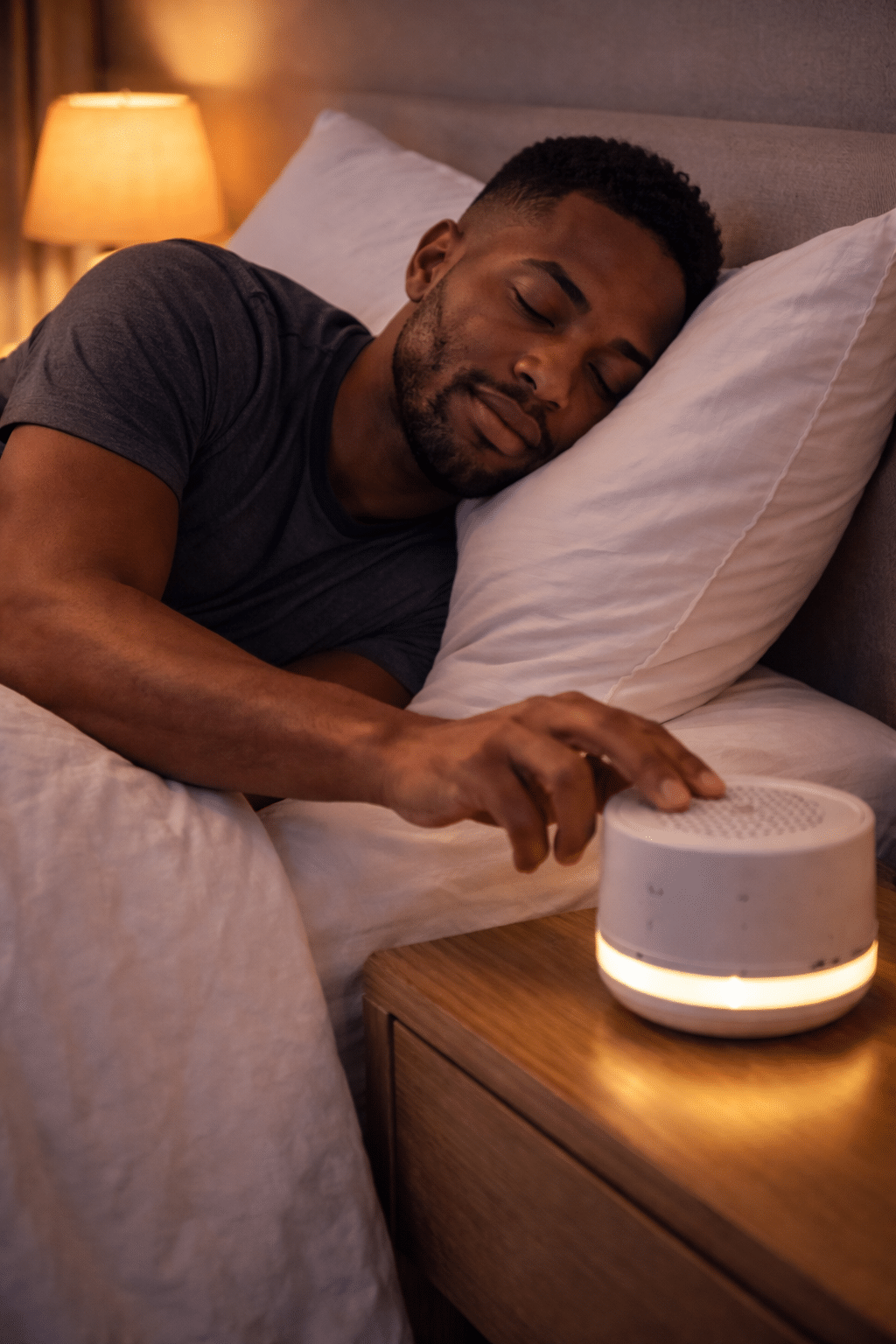
This latest research suggests that wrist-worn sleep trackers may detect changes weeks before a depression relapse occurs. That early window can give patients and their providers enough time to make treatment adjustments to prevent a full episode.
For Black people living with major depressive disorder, paying attention to sleep may be especially important. Higher levels of stress and common sleep disturbances can increase vulnerability—but awareness can also increase protection.


By subscribing, you consent to receive emails from BlackDoctor.com. You may unsubscribe at any time. Privacy Policy & Terms of Service.