
Statistics show that the number of Americans who use in-vitro fertilisation (IVF) in their fertility journeys has been steadily rising since 2020. While the true numbers are likely higher, the reported figures show that almost 390,000 people undertook IVF in 2022 and almost 433,000 in 2023. As of 2025, it’s estimated that almost three percent of live births started with IVF. Although IVF has its benefits, it comes with a few risks and drawbacks as well. One issue that many doctors note is the pain that’s associated with different levels of the procedure. For many women, the daily hormone injections that start the process can vary in pain, but they quickly come to dread that part of their days. With an IVF patch on the horizon, though, that time may be coming to an end.
RELATED: Insurance Not Covering Your IVF? 5 Ways to Save Big on Medications
What You Can Expect From an IVF Patch
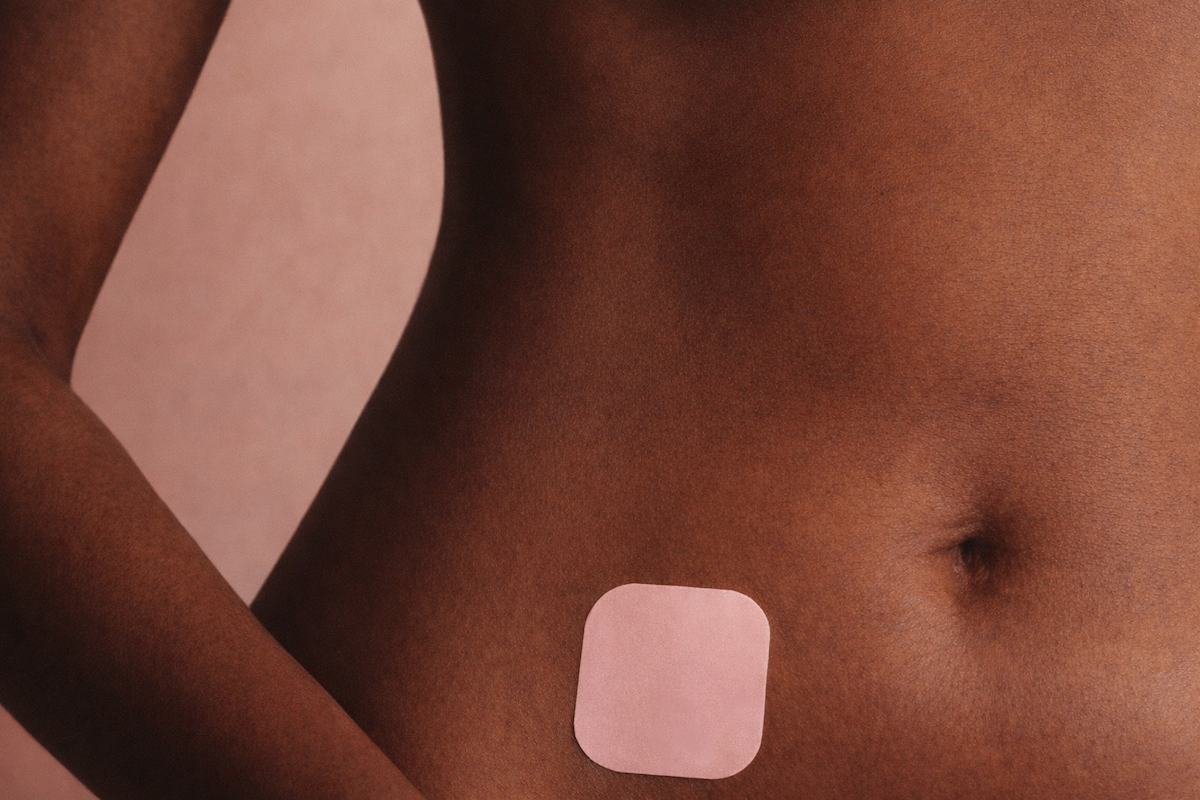
Although injections are currently a staple of IVF treatments, researchers at McGill University are exploring an innovative way to administer the same hormones without the needles. According to their report, a patch using microneedles would be used to deliver the hormones that are needed. These needles aren’t long enough to reach the pain receptors, so it’s painless. The patches would also be activated by near-infrared light that would allow them to release hormones at scheduled times.
Aside from making the process pain-free, the people who use an IVF patch wouldn’t experience the bruising that’s typical of the daily injections. You also can’t discount the emotional toll that these injections can have on those who administer them. Some women recount dreading that part of the routine. Furthermore, it can lead to anxiety, stressful situations, and depressive episodes.
Using a patch could also make it less likely for people to get the technique wrong or worry incessantly that they’re not doing the right thing. IVF can be stressful enough, so removing that doubt from the process may be good for their mental health.
As helpful as an IVF patch would be, though, the researchers say that there’s still a lot of work to be done. They have a few challenges that they would need to overcome–including figuring out how to ensure that the patch delivers the right amount of hormones consistently and how to keep the patch in place for two weeks.
The patch also only delivers one type of hormone, and IVF treatment often requires different types. Since the microneedles don’t penetrate the muscle, they can’t be used to deliver intramuscular medications that are necessary at some point in the process. Even if the researchers find solutions to all those issues, it will still take time to check the effectiveness of the patches through clinical trials.
However, they’re not deterred by how long it might take or the work that’s involved. It will be worth it to make a difference in the lives of those who want to undertake IVF.
Why IVF Can Be Painful
As noted previously, there are different stages in which IVF can be painful. The daily hormone injections are only the first. In this step, people who are doing IVF must inject themselves at the same time each day for up to two weeks. Those injections are usually gonadotropins to stimulate the ovaries to produce eggs and trigger shots to encourage the eggs to mature.
At this level, the pain is described as small pinches or a stinging sensation as opposed to a deep-seated pain. However, that doesn’t stop some women from rating it as high as seven on the 1-10 pain scale. You may also experience pain and bruising at the injection site. As the ovaries produce more eggs, some women have cramping and tenderness in the lower abdomen.
The next stage that can be painful is the egg retrieval. While the procedure is generally done under anesthesia, you may have mild to moderate pain afterward. Some women liken the level of pain to menstrual cramping, and it typically lasts for a day or two.
The last stage of the IVF process is implantation, where the fertilized eggs or embryos are placed in the uterus. This procedure entails using a thin catheter through the cervix but doesn’t utilize anesthesia. For most women, the pain level is mild. It’s commonly compared to the discomfort you may experience when doing a Pap smear. You may also have some cramping afterward.
Top Tips for Managing IVF Pain
While some discomfort or pain is expected with IVF, that doesn’t mean you can’t do anything about it. The most effective techniques will depend on which part of the process you’re dealing with. Generally, doctors advise staying hydrated, getting enough rest, and wearing loose clothing so you don’t place any pressure on the painful areas. Although it’s a good idea to remain physically active, more gentle forms of exercise can ensure that you don’t worsen the pain.
When you’re at the stage of administering daily injections, consider using ice, a cold compress, or numbing cream on the area before injecting yourself. Taking deep breaths and getting relaxed can also help to reduce the pain of the injection. If you rotate injection sites, you’ll likely give your body time to recover from the last injection instead of re-bruising the same spot continuously. Your options for sites depend on the type of injection you’re using. For example, subcutaneous injections should go into fatty tissue so you can place them in your abdomen, upper thigh, or upper arm. On the other hand, intramuscular injections need to go in the muscle of your upper thigh or upper outer buttock.
Additionally, doctors advise using the proper technique for IVF injections. The details of the technique may vary so it’s best to ask your doctor for guidance before you do it at home. Some important steps that can help prevent injection pain are removing your medication from the fridge 15 minutes before using it, as cold medication tends to hurt more. When injecting subcutaneous hormones, pinch the skin gently to lift the fatty tissue away from the muscle. With intramuscular injections, keeping the skin taut usually results in less pain. Finally, injecting slowly can be less painful.
After embryo retrieval, doctors recommend using a warm compress on your stomach and wearing comfortable clothing. Taking short walks can also help. When you’re ready to have the embryos implanted, it’s a good idea to urinate before the procedure. Even though there is no anesthesia, it’s normal to ask your doctor about prescribed medications or over-the-counter painkillers that may help.
Of course, none of these tips negate the need to know when something is wrong. If you experience severe pain at any point in the process, you should let your doctor know immediately. Some other signs that you need to talk to your doctor include heavy bleeding, difficulty breathing, and having an unexplained fever.
Many Americans choose IVF to have children. Unfortunately, the pain associated with daily injections can take its toll. The good news is that a patch could be on the way that would make the journey a lot easier. In the meantime, there are multiple ways to manage your pain.


By subscribing, you consent to receive emails from BlackDoctor.com. You may unsubscribe at any time. Privacy Policy & Terms of Service.