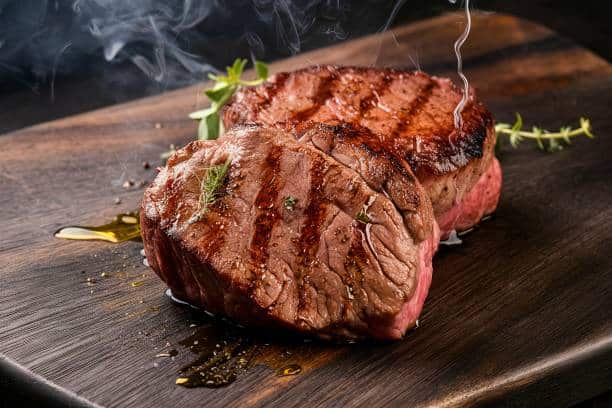
The food industry is undergoing a radical transformation, with technological advancements bringing once-unthinkable innovations to our plates. Among the most talked-about trends is 3D-printed food—where edible materials, such as plant-based proteins and cultivated cells from animals, are layered and shaped using advanced printing technology. While this futuristic concept may sound like science fiction, it is quickly becoming a reality in grocery stores and markets across the United States.
Before 3D-printed foods, various technologies and methods were used to create customized, processed, or precision-prepared foods. Some key predecessors include:
These methods paved the way for the more advanced, precise capabilities of 3D food printing, enabling brands to experiment with new textures, flavors, and forms.
3D food printing involves using computer-controlled nozzles to layer ingredients into precise shapes and textures. These shapes can be made from plant-based ingredients or cultivated meat cells extruding a “bio-ink” to create the desired structure. Companies are leveraging this technology to create everything from plant-based seafood to customized baked goods. Some brands, such as Steakholder Foods and Revo Foods, are at the forefront of this movement, offering plant-based alternatives to traditional meat and seafood. The goal is to provide consumers with sustainable, customizable, and efficient food options while reducing reliance on conventional animal agriculture.
RELATED: 4 Key Nutrition Guidelines Everyone Should Know
While 3D-printed food is still in its early stages, several products have made their way into U.S. markets:
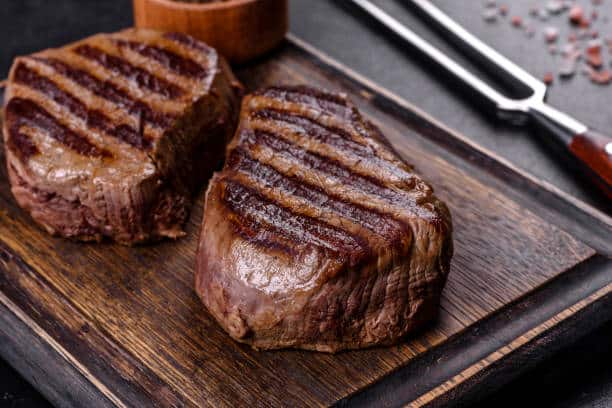
3D-printed steak offers notable sustainability benefits. It promises a reduction in the environmental impact of meat production by lowering resource usage and minimizing greenhouse gas emissions compared to conventional livestock farming. While challenges such as perfecting texture and replicating authentic flavor remain, continuous innovation and refinement are driving this technology forward. Insights from industry experts highlight that the integration of advanced cell culture techniques with precision printing could soon make 3D-printed steak a viable and ethical alternative for meat lovers.
One of the biggest questions surrounding 3D-printed food is its impact on health. Supporters argue that these products are highly customizable, allowing for precise control over nutritional content, including protein, vitamins, and minerals. Additionally, 3D printing could reduce the risk of foodborne illnesses by minimizing human handling and contamination.
However, concerns remain about the long-term effects of consuming engineered foods. Regulatory agencies such as the FDA and USDA are telling us that all 3D-printed foods are safe while they are still evaluating safety standards, and more research is needed to understand how processing affects nutritional integrity. Furthermore, consumers should be mindful of ingredient lists, as some 3D-printed foods may contain additives or highly processed components.
Safety & Labeling Concerns of 3D-Printed Food
Strict hygiene, food-safe materials, and clear regulations are key to ensuring consumer safety.
RELATED: 10 Foods That Will Keep You Feeling Energized ALL DAY
With the global 3D food printing market expected to grow at a CAGR of 49.9 percent, reaching an estimated $872.4 million by 2028, the industry shows no signs of slowing down. As costs decrease and accessibility increases, more grocery stores may stock these futuristic food products, potentially revolutionizing the way we eat. Whether you’re excited about the possibilities or skeptical of the hype, one thing is certain: 3D-printed food is here to stay.
Would you try a 3D-printed steak? Let us know in the comments!


By subscribing, you consent to receive emails from BlackDoctor.com. You may unsubscribe at any time. Privacy Policy & Terms of Service.