We hear it all the time: avoid processed foods.
We’re told to eat organic, cook at home, and source our meals from local vendors and farmers. But what if that’s not enough? Or, what if we simply don’t have the option where we live and need some alternative?
In 2026, with the internet and AI, access to information is greater than at any time in human history. But that doesn’t mean knowing the right thing is easier. In fact, there’s so much misinformation and disinformation out there, it can feel dizzying to know left from right, up from down.
But here’s the great news. If you find your health taking a hit from daily stress, unhealthy foods, medications, and other toxins in our environment, you’re not alone. And fermented foods, it turns out, might just make the major difference you seek.
These tangy, soulful staples are foods our ancestors absolutely relied on. In African cultures and traditions, foods range from garri and ogi in West Africa to spiced kefir and pickled greens with a Southern twist.
This isn’t just a trend. It’s ‘food for medicine,’ scientifically shown to help restore gut diversity, fight inflammation, boost mood, and tackle metabolic challenges.
Ready to unlock the power?
RELATED: The Amazing Power of Probiotics, Prebiotics, and Fermented Foods
People often speak of bacteria or just ‘germs’ generally as if they’re all bad things, but in reality, it’s way more complicated. See, your gut actually houses trillions of microbes that influence everything from digestion and immunity to blood pressure and brain function.
And one of the best ways to have good health, not just in your gut but in your body and brain, is through gut microbiome diversity. When diversity drops — thanks to antibiotics, stress, and poor diet — the problems ensue. Issues like increased inflammation and metabolic issues follow.
Although the research in this area is still emerging, certain preliminary studies are adding to our understanding. For instance, one small-scale pilot study focused on differences in the gut microbiome between Black Americans and white Americans with high blood pressure. The study found that Black participants may have lower levels of certain short-chain fatty acid (SCFA)-producing bacteria.
In other words, there could be a correlation between the microbiome profiles of Black Americans and their hypertension. Further research, however, is needed to clarify the suggested associations.
Other studies add to these findings, showing that certain bacteria, such as those that produce short-chain fatty acids, actually help to relax blood vessels and reduce inflammation.
Unfortunately, numerous issues among Black Americans – like higher rates and severity of conditions like lupus and autoimmune disease – are also fueled by gut dysbiosis. Basically, a disrupted microbiome weakens immune regulation, increasing the likelihood that your immune system will attack your own tissues.
Now here’s the good news.
Fermented foods rebuild that diversity. A diet rich in fermented foods can significantly increase microbiome diversity and lower inflammatory markers like IL-6. What this means for the average person is less fatigue, less brain fog, less joint pain, and fewer struggles with blood pressure during daily eating.
Let’s get right into some of the top options for eating fermented foods…
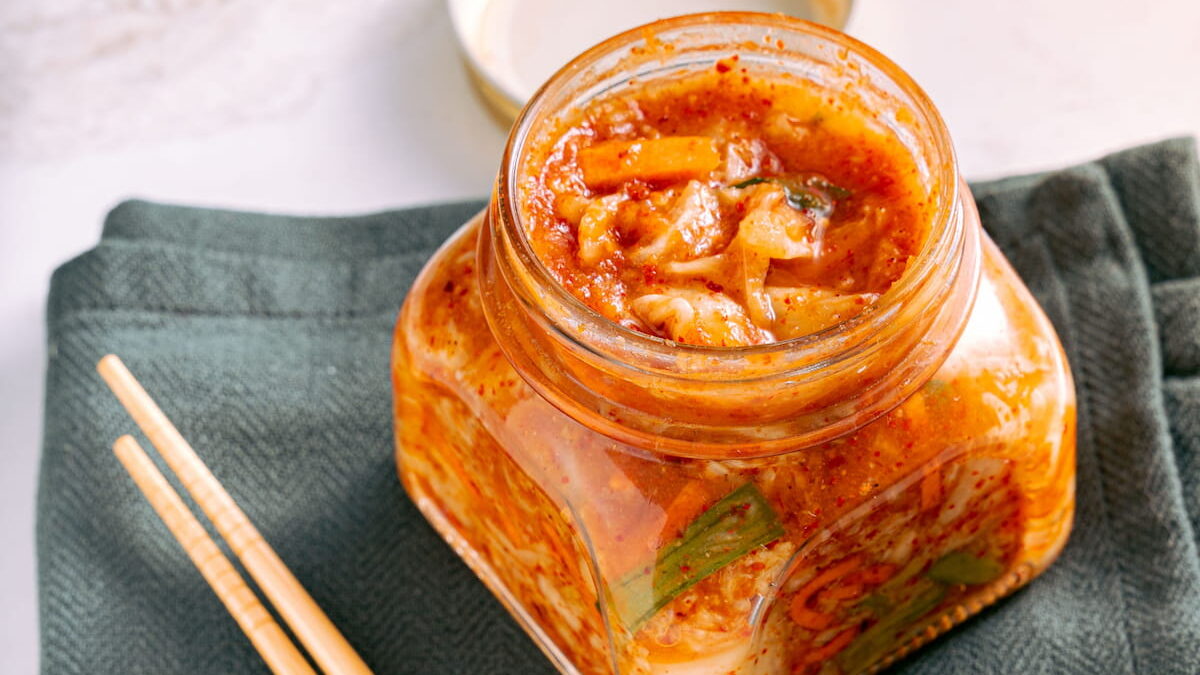
If you look back at many African culinary traditions and meal staples, you find one thing in common: the power of fermentation was well known.
One prime example is garri, a fermented cassava product from a woody shrub with tuberous roots. This West African staple creates probiotics – live microorganisms – while also reducing carbs. It’s also got a signature sour tang you’re guaranteed to love!
Before you begin, it’s important that you understand certain critical safety concerns. Unless you or someone close to you has extensive experience in West African preparation methods, you should always purchase pre-processed, commercially prepared garri or cassava products.
The main reason for this is the high risk of acute cyanide poisoning.
Many people don’t know this, but raw cassava can be extremely dangerous. It contains cyanogenic glycosides, which are naturally occurring plant toxins. The problem is, when the plant tissues are damaged, the raw cassava can release hydrogen cyanide (HCN), and from there it can lead to a whole range of health issues, everything from nausea to vomiting, dizziness, rapid breathing, and even, in some cases, death.
The water produced by cassava soaking and fermentation is toxic and must be properly discarded. You should never consume it or use it for any other purpose.
So again, unless you have extensive experience in the full preparation process and have done it safely repeatedly, always opt for commercially prepared versions.
Even if you have extensive experience, it’s a good idea to use sweet cassava varieties because they have lower cyanogen content. You should still follow all protocols and consult food safety authorities if you’re at all unsure about any step in the process.
Remember: preparing cassava properly requires keen attention to detail. You have to select the right varieties, you have to thoroughly peel, you have to allow adequate fermentation time, you have to discard the water the right way, you have to cook and roast appropriately, and, in case something goes wrong, you have to recognize the symptoms of cyanide exposure and seek immediate medical attention.
All of that said, if you’re simply interested in seeing how the process unfolds, these are typically the steps a seasoned cassava preparer will take:
Another great option is ogi, a fermented cereal porridge. Made from maize, sorghum, or millet, ogi is basically a creamy, probiotic-rich porridge. To prepare it, soak the grains for two to three days, grind, and ferment the slurry. It goes great with cinnamon, vanilla, or a touch of honey for a soulful breakfast your family will love!
RELATED: The Shocking Truth About Kombucha and Other Fermented Foods
Or how about some spiced kefir?
If you’ve never had kefir, it’s definitely worth a try. To prepare, start with milk kefir grains or a store-bought culture. You can always add soul-food flair with ingredients like ginger, cinnamon, nutmeg, or even a hint of cayenne and vanilla.
From there, ferment for 24 hours to create a tangy, drinkable probiotic bomb. This elixir is suitable for people with lactose intolerance and provides a diverse range of bacteria to help reduce inflammation.
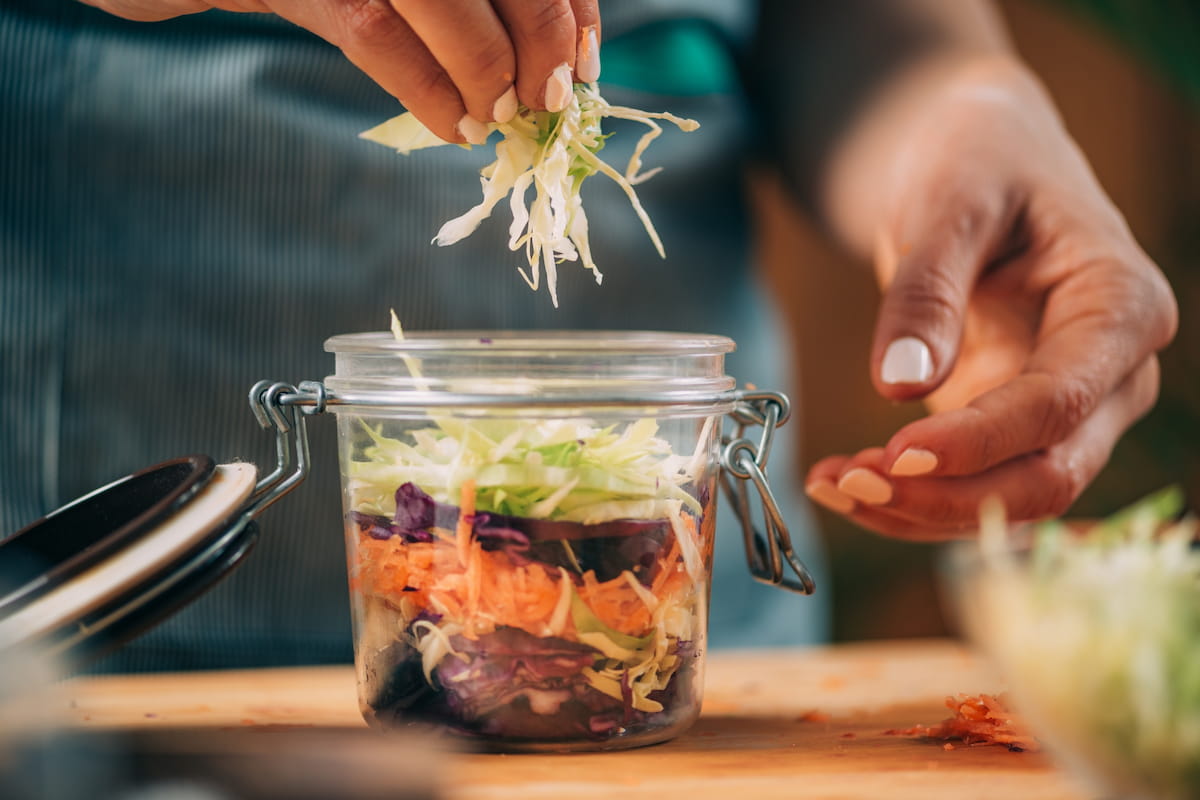
And finally, you’ve got the option of delicious pickled greens and veggies. This one is pretty straightforward. To begin, take collards, mustard greens, cabbage, or okra. Brine your choice with garlic, onions, peppers, and apple cider vinegar or saltwater. Allow the mixture to ferment for three to seven days at room temperature, then bring it out for a delectable meal.
These spicy, probiotic pickles pair perfectly with rice, beans, or fried fish, providing your gut with the beneficial bacteria it needs.
Of course, there are many other fermented foods you can prepare, but those offered here are great starters. As always, start small. Dedicate a corner of your kitchen to a few jars, make sure your glasses are clean, and use non-chlorinated water and sea salt.
The beauty of fermentation is that it’s forgiving and inexpensive — no fancy equipment needed. Go for one to two servings daily, and you should definitely notice a difference over time.
And if you’re not sure where you stand, nutritionally?
You’re in luck. Nowadays, we actually have at-home microbiome tests from companies like Viome or Vibrant Wellness. These essentially let you mail a stool sample and receive insights on your unique gut profile. You’ll learn about important inflammation markers, which bacteria you lack, and which fermented foods or probiotic strains can address those deficits. If you work with a functional practitioner or registered dietitian, your chances of gut and health improvement improve even more. While yes, probiotics from supplements can help, food should come first.
Use testing to personalize your approach, target the bacteria you’re lacking (or have too much of), and prepare the fermented foods that meet those needs.
As with all health and lifestyle approaches, nothing happens overnight. Stay steady, learn what works and doesn’t, and pair yourself with a specialized health provider. There are plenty of resources you can use online if you’re big into self-learning, but it’s always advised that you work with a professional.
Tasty, empowering, and great for the long term. What’s not to love?


By subscribing, you consent to receive emails from BlackDoctor.com. You may unsubscribe at any time. Privacy Policy & Terms of Service.