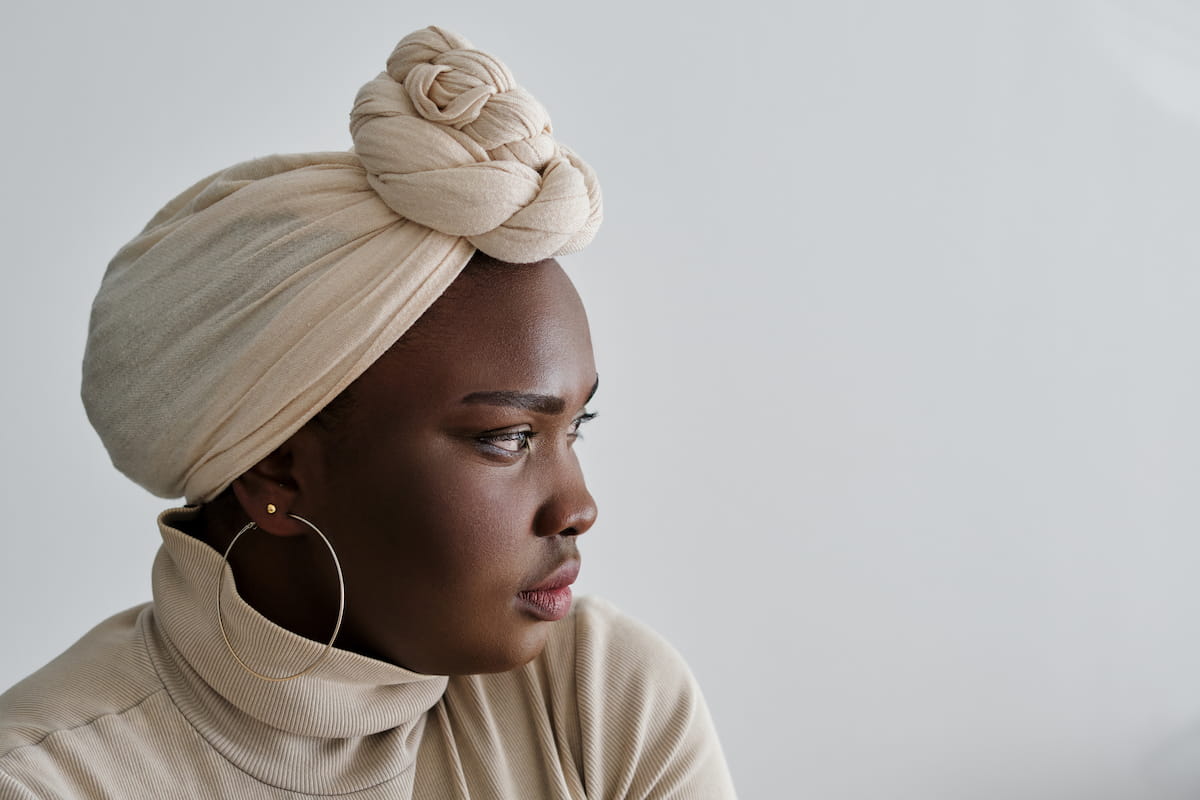
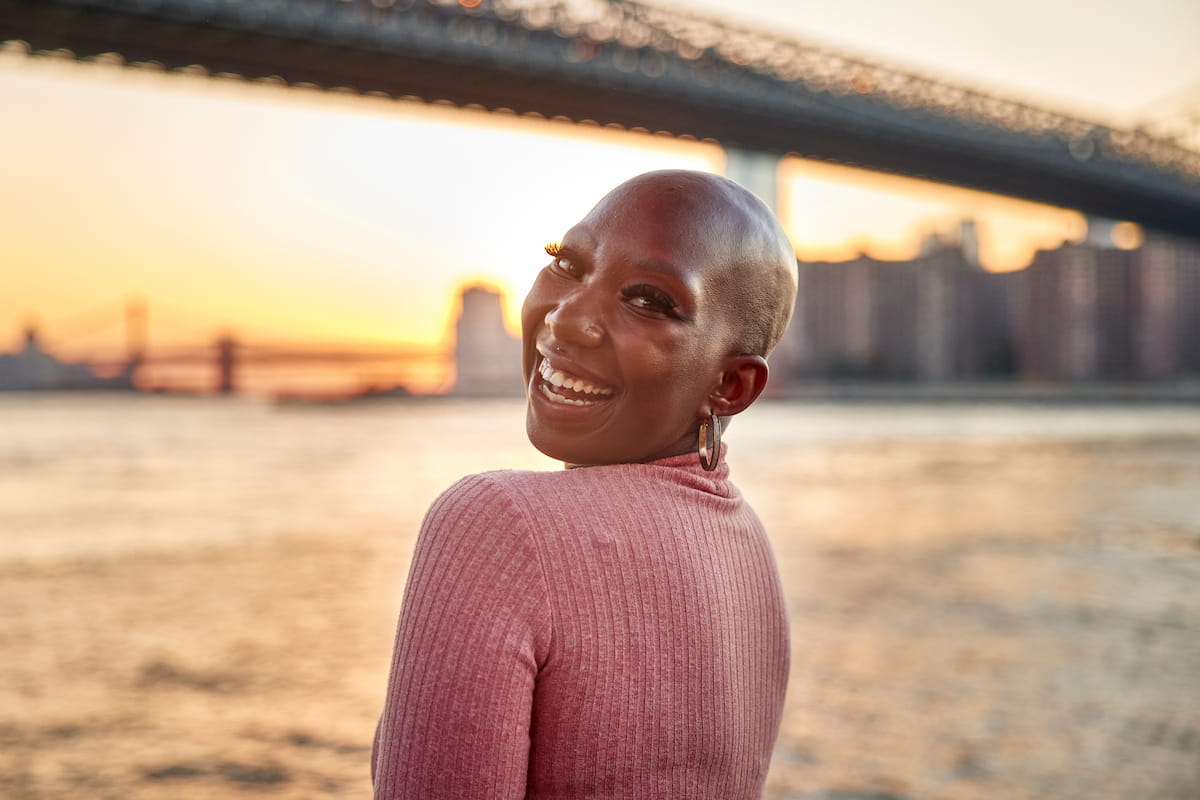
Hair loss due to cancer treatment is personal. How you respond to it is also personal. For some, this is emotional because it is the palpable beginning of cancer’s transformation from their diagnosis and afterward through treatment. However, if the type of chemotherapy one is on causes hair loss, there are many practical and stylish choices for your head. This includes alternatives such as shaving your hair, wearing scarves, wigs, or hats, choosing to go bold and bald, and wearing nothing at all to cover your head.
No matter what you choose, there are numerous resources focused on cancer-related hair loss and diverse options for head covers due to chemotherapy-based hair loss. Options range from tips on how and when to shave your head, finding and getting fitted for a wig, online video instructions for wrapping a scarf, or tips for selecting beanies, hats, or turbans for your new treatment-based life and style. Your comfort and emotional readiness determine what you decide. One head covering may land as your new signature go-to style, or you may want to change your look and wear a combination of all of these: scarves, wigs, hats, or nothing at all. Choose what best serves you and suits your changing needs.
Here’s some information curated for you. This is not meant to be the final word on the style(s) you pick. You don’t have to stick to one style only throughout your cancer treatment journey. Feel free to switch things up from time to time. This information is to help you review a summary of everything out there and make the choice(s) that are best for you. Let it serve as a point of departure that doesn’t overwhelm you but helps you while you go through treatment and cope with hair loss during chemotherapy for breast cancer.
Chemotherapy hair loss starts around two to three weeks after the first treatment. Having clumps of your hair fall out may also be sensitive or painful.
Although there’s no right or wrong way to shave your head, there is a way that minimizes any nicks and cuts to your scalp that can cause infections and irritation. That’s why clippers are suggested instead of razors or blades. The clippers can cut hair short or shave it all off. Whether it’s a short buzz cut or shaved bald, it is up to you.
Shaving can help with the transition to losing your hair. Some cancer patients say shaving their hair is a way of having some control. For others, they speak of shaving as being liberating and empowering. If that’s you, great! It’s also okay to wait until your hair falls out naturally or keep it cut short.
RELATED: 10 Actions Every Chemotherapy Patient Should Take
The decision to shave your hair requires some preparation for what you will do after you shave. Consider how you will protect your head. Do you want to wear a wig sometimes? You should also think about how to get used to seeing your hair so short.
Once you are ready to shave your head, make sure your hair is clean, dry, and detangled. You can also choose to shorten your hair over time, or you can seek out a hair salon that styles people with cancer. There is no shame in getting help. This is a lot to do and change all at once.
Shaving your head is not the end of your story. Even if you want to be bold and bald, wearing nothing at all, your shaved head will need protection. This protection can take the form of sunscreen with a high SPF, a hat or other coverings, and moisturizers for a dry or itchy scalp. Hats are especially useful when you go outside in colder weather, or if you feel the cold more without hair. These are all important considerations before you shave. What seems simple and low maintenance from a distance still requires forethought, preparation, maintenance, and ongoing care.
Scarves and head wraps can be a break from wearing a wig, hat, or nothing at all to cover your head. These could be functional in hot and cold weather. They are fashionable. They are also cheaper and easier to maintain. Additionally, they can be soft and provide secure and stable coverage.
Generally, when choosing a scarf (or hat), look for comfort, a secure fit, full coverage, ease of wear and care, and what suits your personal style. Scarves should also be soft, lightweight, breathable, and not slip. Choose from cotton, rayon, and bamboo. Tips for tying them are available online with step-by-step videos. Pre-tied scarves are also possible and easier.
Hats range from sleep caps, turbans, berets, cloches, buckets, cadets, military, or newsboy hat styles. They provide fashion coverage and hide hair loss. A wide-brimmed sun hat lined with soft material protects from the sun, while knit winter hats in fleece or chenille can keep you warm, for example.
RELATED: Starting Chemotherapy? Here’s what you can expect.
The National Breast Cancer Foundation, Inc. provides comprehensive educational information for finding a wig, if you decide to go that route. Check out their “Wigs for Cancer Patients: Your Guide to Finding the Right Wig” online guide.
This online guide addresses what to expect with hair loss during cancer treatment, why wigs matter during cancer treatment, when to shop for wigs, and the various wig types and styles for cancer patients. It also covers other wig information, like wig and hairpiece style options, complete with common wig and hairpiece constructions. This guide includes many other practical tips for wearing wigs to reflect your best self despite hair loss due to going through chemotherapy for breast cancer.
This resource also helps you to learn how to choose the right wig for you if you can’t consult an expert. It suggests how to choose wig color, cut, and style. It also covers wig-wearing tips, wig styling tips, and wig care and maintenance. Lastly, it provides resources for finding wigs for chemotherapy patients and financial assistance for wigs. Most of all, it underlines that selecting a wig is not just about the loss of hair; it’s also important for “the physical change due to treatment that can affect cancer patients psychologically and emotionally”.
This resourceful blog serves as an online guide focused on all things wig-related. It helps with addressing cancer-related hair loss issues that impact choosing a wig. Some of this you may have thought of, but there may be other information that you don’t know or that you may need later that you haven’t thought of yet.
Another resource for head covers is the American Cancer Society’s helpline (1-800-227-2345) for local and national organizations providing free head covers such as hats, scarves, wigs, and hairpieces to people with cancer. It can link people with cancer to free hats or scarves. Ask your local cancer center or your oncologist how you could get free head coverings.


By subscribing, you consent to receive emails from BlackDoctor.com. You may unsubscribe at any time. Privacy Policy & Terms of Service.