Your bra might be one of the most-worn pieces of clothing in your closet, but how often do you actually think about whether it fits correctly?
A surprising number of women may be wearing the wrong bra size. A widely cited study from lingerie company Triumph, a Swiss lingerie company,, found that 64 percent of women surveyed were wearing the wrong bra size, while 29 percent knew their bra wasn’t the right size.
That may not be all that surprising when you consider how easy it is to fall into a bra routine. You may have been wearing the same size since college, grabbed the same size because it “usually works,” bought a bra based on how it looks rather than how it feels, or simply never had a professional fitting.
And let’s be honest: bras aren’t always cheap. When you’ve finally found a style you like, it can be tempting to stick with the same size—even when your body has changed.
Breasts can change throughout your life because of weight fluctuations, pregnancy, breastfeeding, hormonal changes, aging and other factors. That means the size that fit you five years ago may not fit you today.
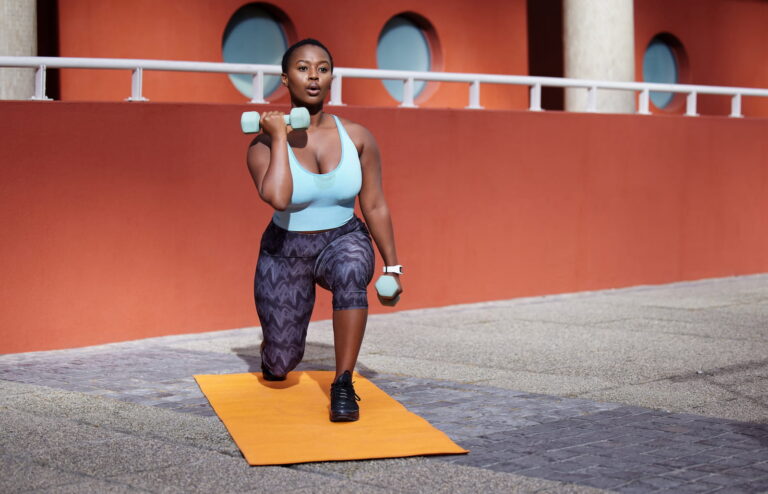
Wearing a properly fitted bra isn’t just about looking good under your clothes. The right bra should feel comfortable, provide the amount of support you need and allow you to move without pinching, digging or shifting. For women with larger breasts, a supportive bra can also make physical activity more comfortable and may help reduce some of the strain associated with carrying additional weight on the chest.
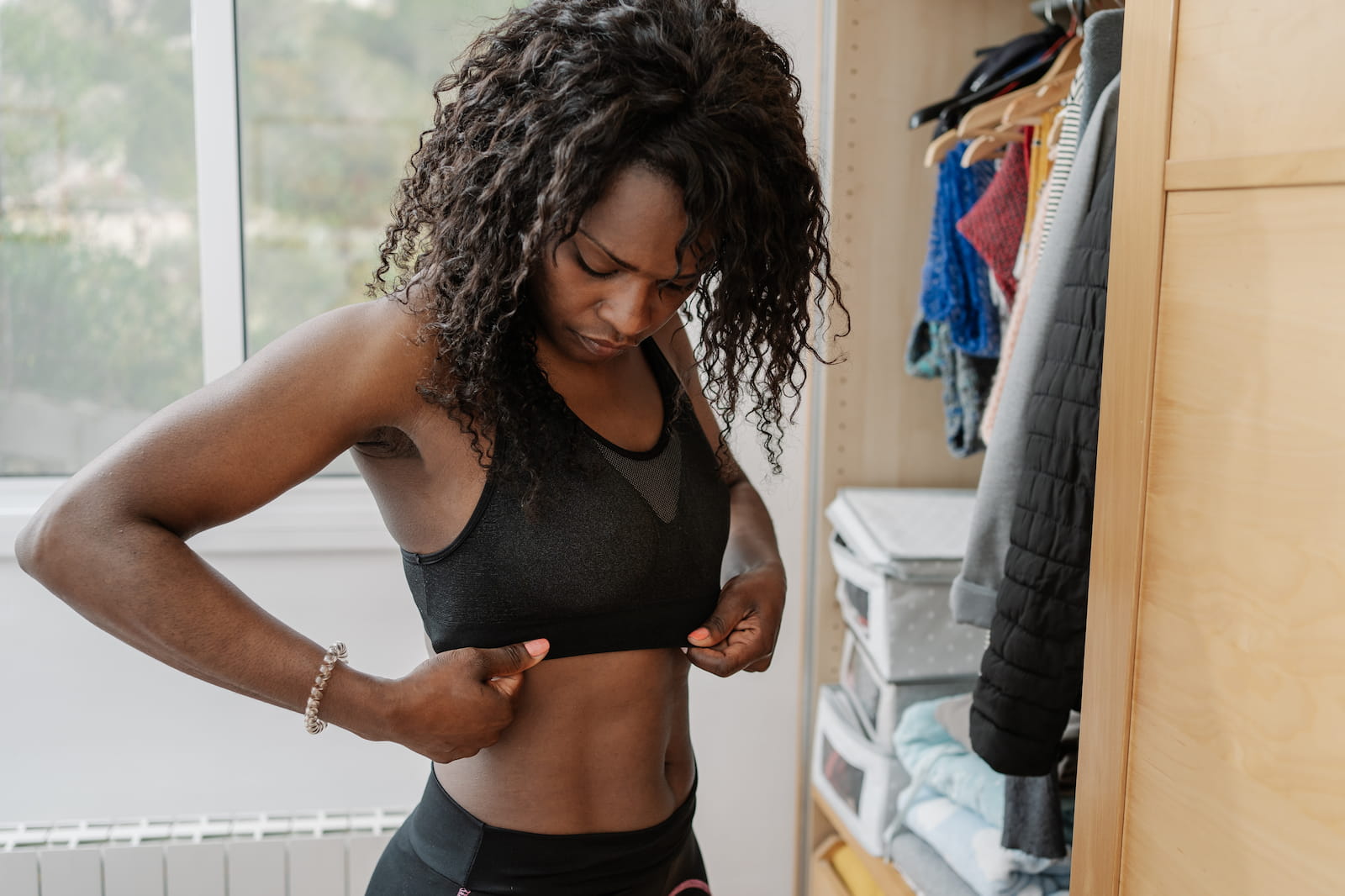
On the other hand, a poorly fitting bra can contribute to discomfort, including pressure around the shoulders, neck and back. If your straps are constantly digging into your skin, your band rides up your back or your breasts spill out of the cups, it’s probably time to reevaluate your fit.
So how do you know whether your bra is actually working for you? Start here.
RELATED: Bra Size Calculator: How to Calculate Your Bra Size
One of the biggest bra-fitting mistakes is treating your bra size like a permanent number.
Your bra size can change as your body changes. Weight gain or loss, pregnancy, breastfeeding and hormonal shifts can all affect breast size and shape. Even two bras in the same size can fit differently depending on the brand and style.
Instead of automatically buying your usual size, pay attention to how the bra fits your body right now.
If you’ve recently noticed that your bras feel tighter, looser or less supportive than usual, it’s worth getting measured or trying on several sizes and styles.
The band is one of the most important parts of your bra because it provides much of the support.
Your bra band should sit relatively level around your torso rather than riding up your back. It should feel snug enough to stay in place but not so tight that it makes it difficult to breathe or leaves painful indentations.
When you’re trying on a new bra, start with the loosest hook. As the bra stretches with wear, you can move to a tighter setting.
A good rule of thumb: You should be able to slide a couple of fingers underneath the band without struggling, but there shouldn’t be a large gap between your body and the band.
Your breasts should fit comfortably inside the cups without spilling over the top or sides.
If you notice breast tissue bulging over the cup, you may need a larger cup size. If there is significant gaping or wrinkling in the cup, you may need a smaller cup—or simply a different bra style that better matches your breast shape.
And remember: Going up in cup size doesn’t necessarily mean you’re going up in overall bra size.
Bra sizes are based on both the band and cup, so a change in one can affect the other. That’s why it’s helpful to try several sizes rather than getting hung up on one number or letter.
RELATED: Wearing The Right Size Bra Can Be Life Changing
Underwire shouldn’t feel like it’s attacking your breasts.
If you’re wearing an underwire bra, the wire should sit underneath and around the breast rather than directly on breast tissue. It should follow your natural breast crease without digging into your skin.
If the wire is pressing into your breast, poking you under the arm or sitting on breast tissue, the bra may not be the right size or shape for you.
Sometimes the solution is going up a cup size. Other times, you may simply need a different style or brand.
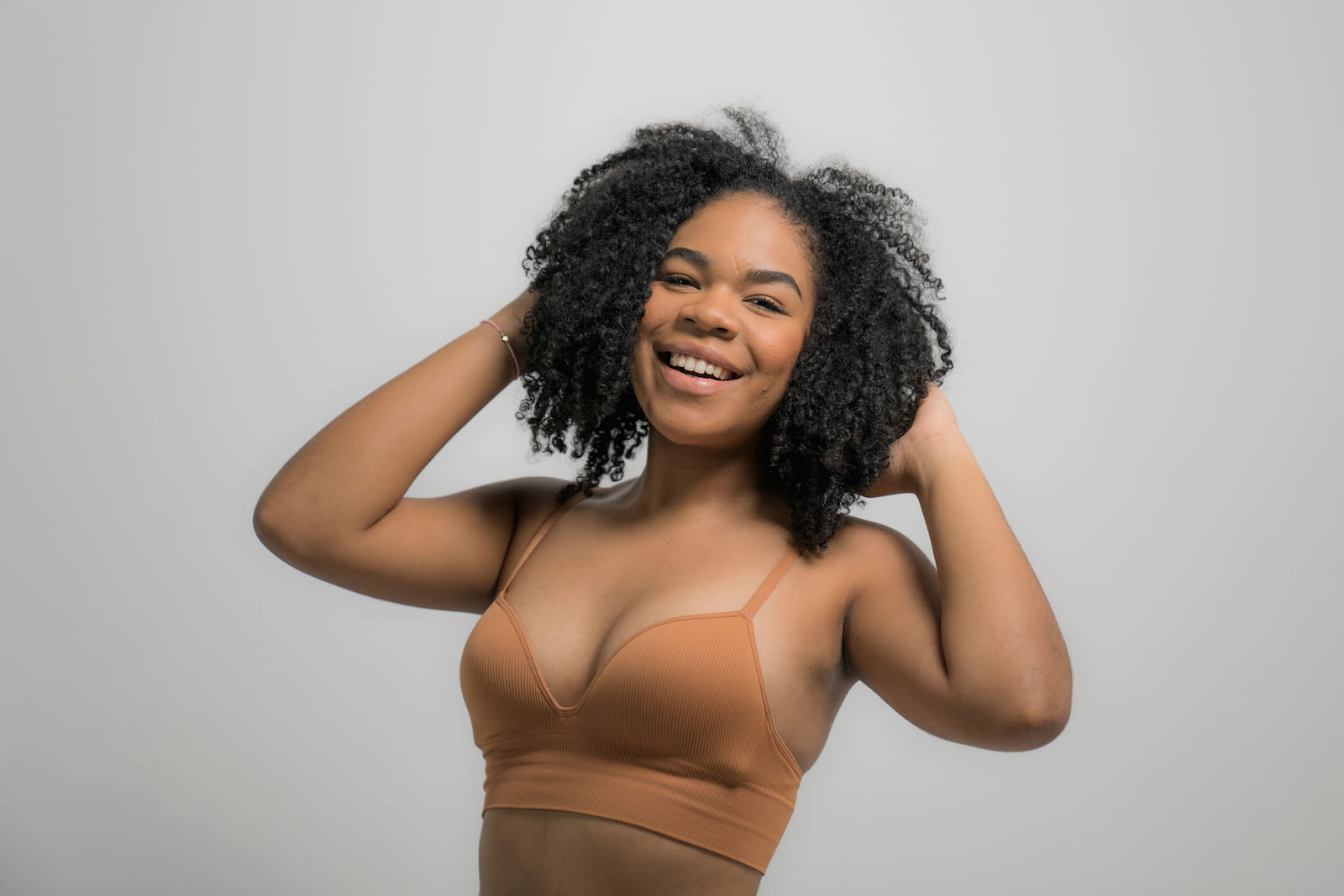
If your bra straps are constantly slipping off your shoulders, you might assume they simply need to be tightened.
Not necessarily.
The band—not the straps—should provide much of the support. If you’re constantly tightening your straps to keep your breasts lifted, your band may be too loose.
Your straps should sit comfortably on your shoulders without digging into your skin. If they leave deep marks or cause shoulder discomfort, check the fit of the entire bra rather than simply tightening them another notch.
Here’s a simple test you can do in the fitting room or at home.
Put on your bra and raise your arms over your head. Move around a little. Bend forward. Twist from side to side.
Does the band stay in place?
If the back of your bra rides up toward your shoulder blades or the cups shift significantly, you may need a different size or style.
A well-fitting bra should move with you—not require constant readjustment.
There isn’t one “perfect” bra for every occasion.
The bra you wear to work may not be the same one you want for a workout, a night out or a lazy Sunday at home.
If you’re exercising, choose a sports bra designed for the type of activity you’re doing. Higher-impact activities such as running generally require more support than lower-impact activities such as yoga or walking.
For everyday wear, consider your clothing, breast shape and personal comfort when choosing between styles such as full-cup, demi-cup, balconette, plunge or wireless bras.
The goal isn’t to squeeze your breasts into a particular style. It’s to find one that works with your body.
Breast size isn’t the only factor that determines how a bra fits. Breast shape can also influence which styles work best.
For example, women with fuller breasts may find that certain full-coverage styles provide better support, while women with less fullness at the top of the breast may prefer styles with a lower or more open cup.
If you have smaller breasts, a demi-cup or lightly lined style may provide the shape and coverage you’re looking for without overwhelming your frame.
But don’t get too caught up in “rules” about which bra you’re supposed to wear based on your breast shape. Fit and comfort matter more than a label.
Go for it.
Despite what you may have heard, there is no universal health requirement that women wear bras every day. Whether you wear a bra, a bralette, a sports bra or nothing at all is largely a matter of personal comfort and preference.
And going braless isn’t automatically going to make your breasts sag.
Breast sagging, or ptosis, is a natural part of aging and can be influenced by factors including genetics, pregnancy, changes in breast size and weight fluctuations. Wearing a bra may temporarily change the appearance of your breasts by providing support, but it doesn’t stop the natural aging process.
In other words, don’t feel like you need to sleep in a bra or wear one every waking hour just to “save” your breasts.
Even the perfect bra won’t last forever.
Over time, repeated washing and wearing can cause the fabric and elastic to stretch, reducing the amount of support the bra provides.
It’s probably time to replace a bra if:
How often you need to replace a bra depends on how frequently you wear it, how many bras you rotate and how you care for them.
Finding the right bra isn’t about chasing a certain cup size, creating the most dramatic cleavage or squeezing your breasts into a particular shape.
It’s about support, comfort and confidence.
If your bra is digging into your shoulders, riding up your back, spilling over the cups or leaving you counting down the minutes until you can take it off, your body may be telling you something.
Take the time to get properly measured—or try on several sizes and styles until you find what actually works for you. And remember that your “perfect” bra size isn’t necessarily the same size in every brand.
Your breasts can change. Your body can change. Your bra should be able to change with you.


By subscribing, you consent to receive emails from BlackDoctor.com. You may unsubscribe at any time. Privacy Policy & Terms of Service.