Approximately 600,000 hysterectomies are performed annually in the U.S., making it one of the most common surgeries performed. This is a startling statistic because many women are recommended for this life-changing procedure without the option of non-invasive alternatives.
Kristina Omari was just one of many recommended for a hysterectomy by her OB-GYN. At the time, she was 42. Although she had been attending check-ups every year, her doctor never mentioned that she had fibroids growing on the wall of her uterus.
“I was just surprised that through that process of going in for my annual physicals, I wasn’t given more education: ‘Your fibroids are located here. You may not experience symptoms, but they are growing,'” says Omari.
Not having symptoms isn’t entirely uncommon among women with fibroids. Many women never notice something is amiss. However, approximately 25 to 50 percent of women with fibroids struggle with heavy menstrual bleeding, frequent urination, and pain, which can lead to depression, reproductive health issues, and lower work productivity.
RELATED: Hysterectomy Alternatives for These 5 Conditions
After receiving the diagnosis, Omari learned more about the condition from her friends who had also been diagnosed with fibroids. Fibroids are common among Black women, who are at higher risk of developing the condition at a younger age. They informed her that there were many treatment options besides a hysterectomy, including medications and myomectomy (a surgery that removes fibroids and preserves the uterus).
After finding out about these alternatives, Omari mentioned them at her next doctor’s appointment. However, due to her age, her OB-GYN was still adamant about performing a hysterectomy.
Black women often receive advice like this from doctors, which makes them twice as likely to have their uterus removed as white women.
Dr. Erica Marsh, whose work at the University of Michigan focuses on uterine fibroids and disparities in reproductive health care, says hysterectomies have been historically overused for all women, especially those of African descent, because many doctors focus on treatments they are comfortable with instead of considering what makes the most sense given the circumstance.
“Every patient has their unique set of symptoms and they have to be approached as an individual case,” she says. “Every patient’s goals are unique, their hopes are unique, their fears are unique.”
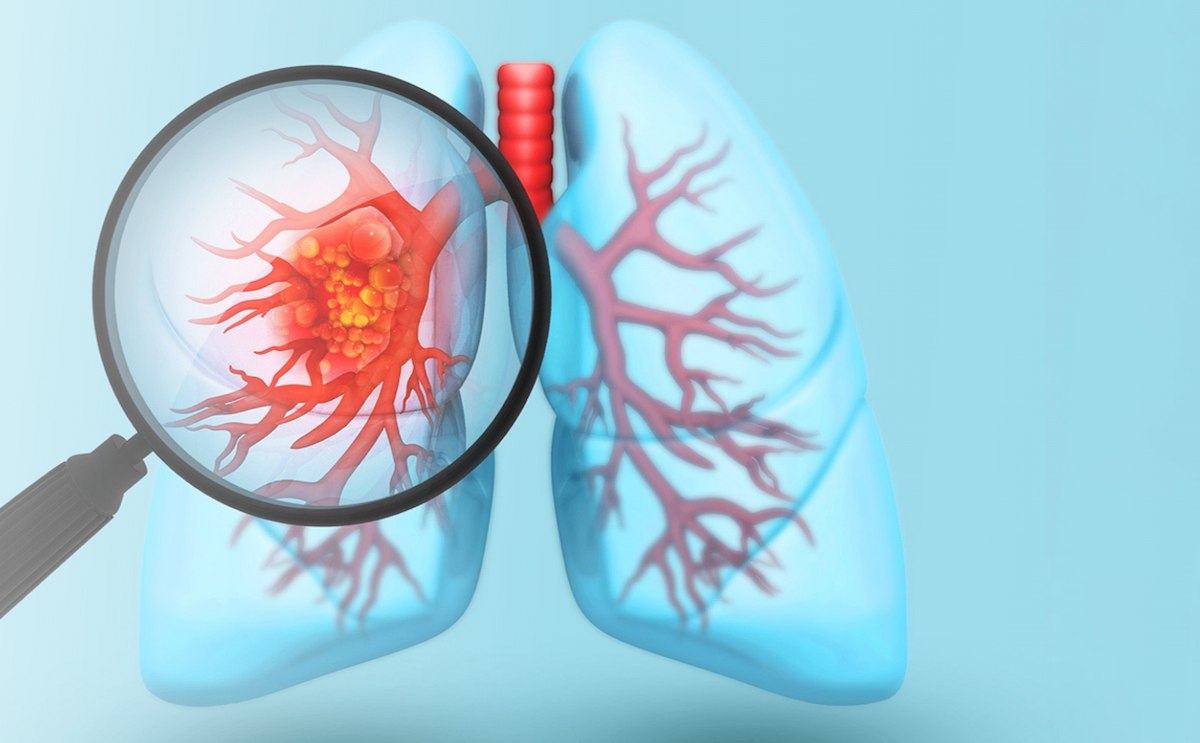
When recommending a hysterectomy, many doctors don’t take the time to educate their patients about the condition and what it means. So, naturally, when they hear the word tumor, they are concerned, although less than one percent of uterine fibroids are cancerous.
“All the doctor has to say is that you have tumors, and immediately, if you don’t know, you’re going to think it’s cancer,” Dr. Octavia Cannon, past president of the American College of Osteopathic OBGYNs, says. She specializes in treating uterine fibroids in women who do not want to undergo a hysterectomy.
This causes many women to agree to a hysterectomy even if they haven’t had children.
“I am willing to bet that there are hundreds of thousands, maybe even millions of women who have had hysterectomies, who are women of color, who had a doctor who didn’t care and just took their uterus out before they even could blink,” Cannon says.
Black women often have to push for a more compassionate approach to fibroids treatment that focuses on pushing to preserve fertility. For many, this may mean searching for a doctor who will listen to them.
Fortunately, for Omari, her friend was able to recommend her to a “very respectful, thoughtful” surgeon who specialized in minimally invasive treatments. The doctor explained Omari’s options for preserving fertility and was ultimately able to have her fibroids removed with “no complications”.
Cannon says early detection is key to patients looking for a non-surgical approach because clinicians base recommendations on the number, size, type, and location of the fibroids as well as the severity of symptoms and the patients’ fertility intentions.
“There’s so much that can be done now to help women who have fibroids keep their uterus,” Cannon adds.
For example, the Food and Drug Administration recently approved a new medication to treat heavy bleeding related to fibroids. Additionally, other advances have been made that make it possible to shrink fibroid growth.
RELATED: Cynthia Bailey Says Fibroids Left Her in a ‘Dark Place’
Open conversations about fibroids and treatment should be happening not only in the doctors’ offices but also in patients’ homes, according to Cannon. She wishes more women were aware of their family history and understood that heavy bleeding isn’t normal.
“I could have had these tumors developing very early and I just didn’t know. And the crazy thing is my mom had fibroids,” says journalist Tanika Valbrun, who founded the nonprofit the White Dress Project in 2015 after undergoing two myomectomies to remove 27 fibroids. “We need our mothers, our grandmother to talk about this,” she says. “Generational storytelling is so important.” Valbrun began experiencing heavy bleeding at 14, but her family thought she was too young to have fibroids.
By sharing their experiences and proactively seeking treatment, Valbrun believes women with fibroids can receive the treatment they need.
“I absolutely feel the tide changing, where women understand that there are too many of us suffering and too many of us trying to manage life with uterine fibroids,” she says.
If you have been diagnosed with fibroids, there are many solutions available to live comfortably. Before making a final decision, have a conversation with your doctor about the type of treatment you would like to receive, especially if you would like to preserve fertility. If your doctor isn’t listening to you, seek a doctor who can provide you with the level of care you deserve.

By subscribing, you consent to receive emails from BlackDoctor.com. You may unsubscribe at any time. Privacy Policy & Terms of Service.