Anyone with diabetes may develop vision complications, however, minorities, including African-Americans and Hispanics, are 2 to 3 times more likely than Caucasians to do so. Could an annual eye exam save your sight if you have diabetes? Most definitely, one vision expert says.
“Diabetes is known to alter the health of the blood vessels in the retina and these vascular changes do not cause symptoms in the early stages,” explains Dr. Jeffrey Sundstrom, an ophthalmologist and retina specialist at Penn State Health Eye Center in Hershey, Pa.
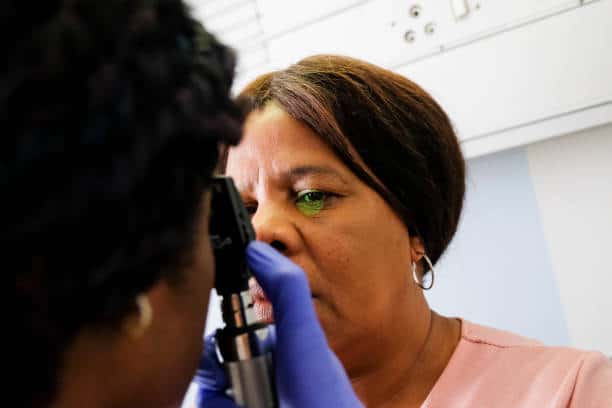
“It’s extremely important to detect any changes early so we can take steps to prevent vision loss — and the way to do that is with an annual dilated eye exam,” he said in a Penn State news release.
With diabetes, the blood vessels in the retina often become leaky, and this can trigger a swelling of the macula — the part of the retina at the back of the eye that is responsible for central vision.
“Severe vision loss from diabetes can occur when abnormal blood vessels grow in the retina and into the vitreous — the gel portion of the eye,” Sundstrom says. “These abnormal blood vessels can lead to bleeding in the back of the eye and even cause a type of retinal detachment. If any of these conditions are left untreated, they can lead to progressive visual loss and blindness.”
More than half of people with diabetes will develop diabetic retinopathy, one of the leading causes of blindness in the United States, yet fewer than half of diabetes patients get annual vision checks. Diabetic retinopathy will affect over 1 million African-Americans by 2030, according to estimates.
Pregnant women with gestational diabetes are also at risk for diabetic retinopathy and should be seen multiple times throughout their pregnancy, according to Sundstrom.
There are several treatments if eye problems are discovered, including laser treatments and drugs.
As well as getting an annual dilated eye exam, diabetes patients should follow the ABCs to manage diabetes and lower their risk for vision loss and other potential complications such as heart attack and stroke, Sundstrom adds.
“Patients should work with their primary care doctor to optimize all three of the ABCs, and see their eye care provider for annual diabetic retinopathy screening exams,” Sundstrom recommends. “The key to maintaining good vision is a good relationship with both your primary care provider and your eye doctor.”
By managing their ABCs and getting an annual eye exam, most patients with diabetes can retain good vision, he concludes.


By subscribing, you consent to receive emails from BlackDoctor.com. You may unsubscribe at any time. Privacy Policy & Terms of Service.
Enter your name and email to receive the download link.