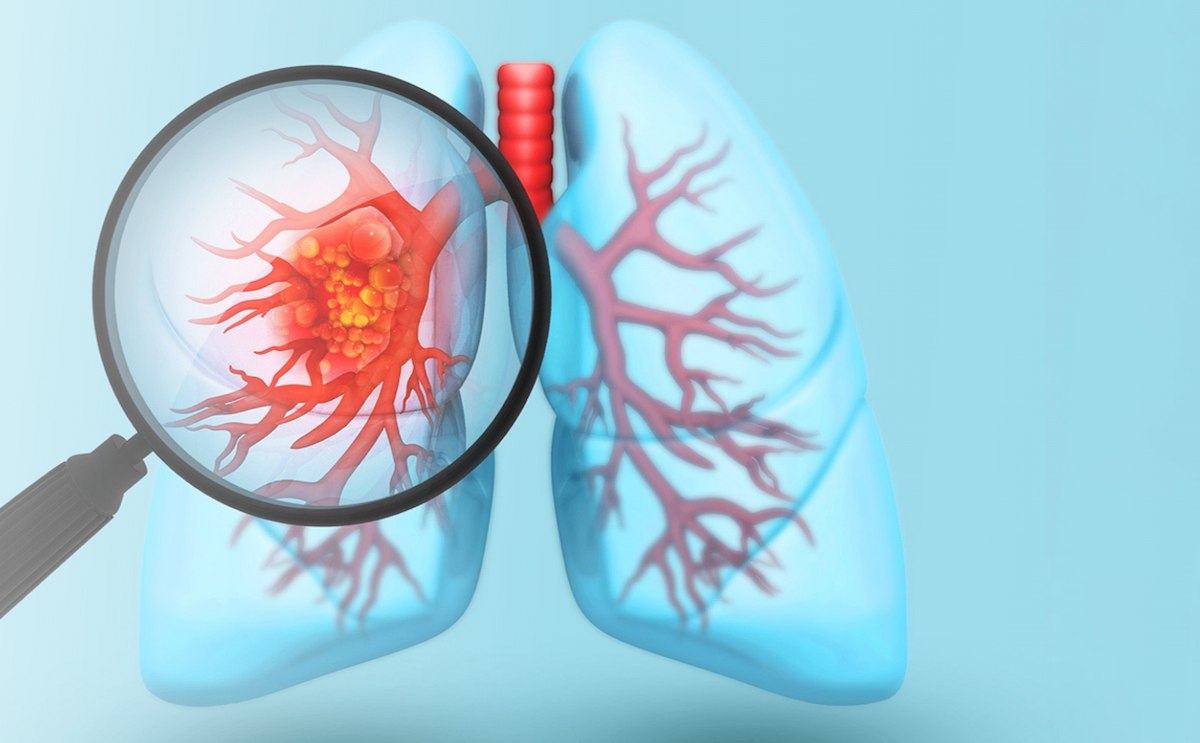
Everyone reacts to lupus differently. Some people with lupus experience serious, life-threatening problems. But for most, lupus can be kept under control with medicines and lifestyle changes. Unfourtanetly, lupus is a disease that is often overlooked, misdiagnosed and misunderstood. So it’s important to know as much as you can about lupus symptoms, diagnosis and treatment.
Lupus is a disease where the immune system attacks instead of protects. The immune system is the body’s natural defense against disease. In lupus, the immune system creates antibodies that attack the body’s own tissues and organs.
The two most common types of lupus are systemic lupus erythematosus (SLE) and cutaneous lupus. SLE is the form of the disease that most people mean when they say “lupus.” The word “systemic” means the disease can affect many parts of the body — including
the kidneys, brain or central nervous system, blood and blood vessels of the circulatory system, skin, lungs, heart, and joints.
Less common forms of lupus include drug-induced lupus and neonatal lupus, a rare type of lupus that affects newborns.
RELATED: Is Lupus Contagious? Risk Factors, Causes, & Prevention
Wondering if you are at risk of developing lupus? Well, the good news is you don’t have to worry about catching it from someone else like the average cold or flu. If you have lupus, you also don’t have to feel guilty about passing it to someone else because that isn’t how the autoimmune disease works.
So how exactly do you get lupus?
Although the exact cause of lupus remains unknown, it is believed that people with lupus may be predisposed to the disease because of their genes. In fact, 10% of lupus patients have a first-degree relative (parents, siblings, children) or a second-degree relative (aunt, uncle, first cousin) with lupus, according to the Lupus Research Alliance. Many have relatives with other autoimmune diseases.
This is where knowing your family history becomes important. If you don’t already know, consider asking family members if anyone in the family has had a history of autoimmune diseases. This step is key because Blacks are 2 to 3 times more likely to be diagnosed with lupus than whites.
While you may be young and feel like you are invincible, it is also important to know your risk of developing lupus because 1 in 5 people with lupus are under the age of 20, according to the Lupus Research Alliance. However, in most cases, lupus starts between the ages of 15 and 45.
Another risk factor for developing lupus is your gender. Although men can develop lupus, 9 in 10 people with lupus are female.
Your environment may also play an important role in whether or not you develop lupus. Possible triggers for developing lupus include sunlight, viruses, fatigue, infection, trauma and stress.
RELATED: Scientists Get Close to Genetic Cause of Lupus
Taking an active role in your health helps you get the best possible care and improves the outlook for your future, especially if you have several risk factors. This starts by paying attention to your body. What’s normal for your body and what isn’t? Do you know the symptoms of lupus?
Lupus symptoms vary widely. If you have any of the common signs and symptoms below, ask your healthcare provider about lupus:
No single lab test can tell if you have lupus because many symptoms of lupus are similar to those of other diseases and can come and go. However, your primary care provider or rheumatologist will use your medical history, a physical exam and several laboratory tests to determine if you have lupus.
Although lupus isn’t curable, the good news is more medicines for lupus are in development than ever before. Researchers such as the Lupus Research Alliance are making great progress in understanding lupus and finding ways to better identify, diagnose and treat the disease, which could bring us closer to the exact cause of lupus and a cure.


By subscribing, you consent to receive emails from BlackDoctor.com. You may unsubscribe at any time. Privacy Policy & Terms of Service.