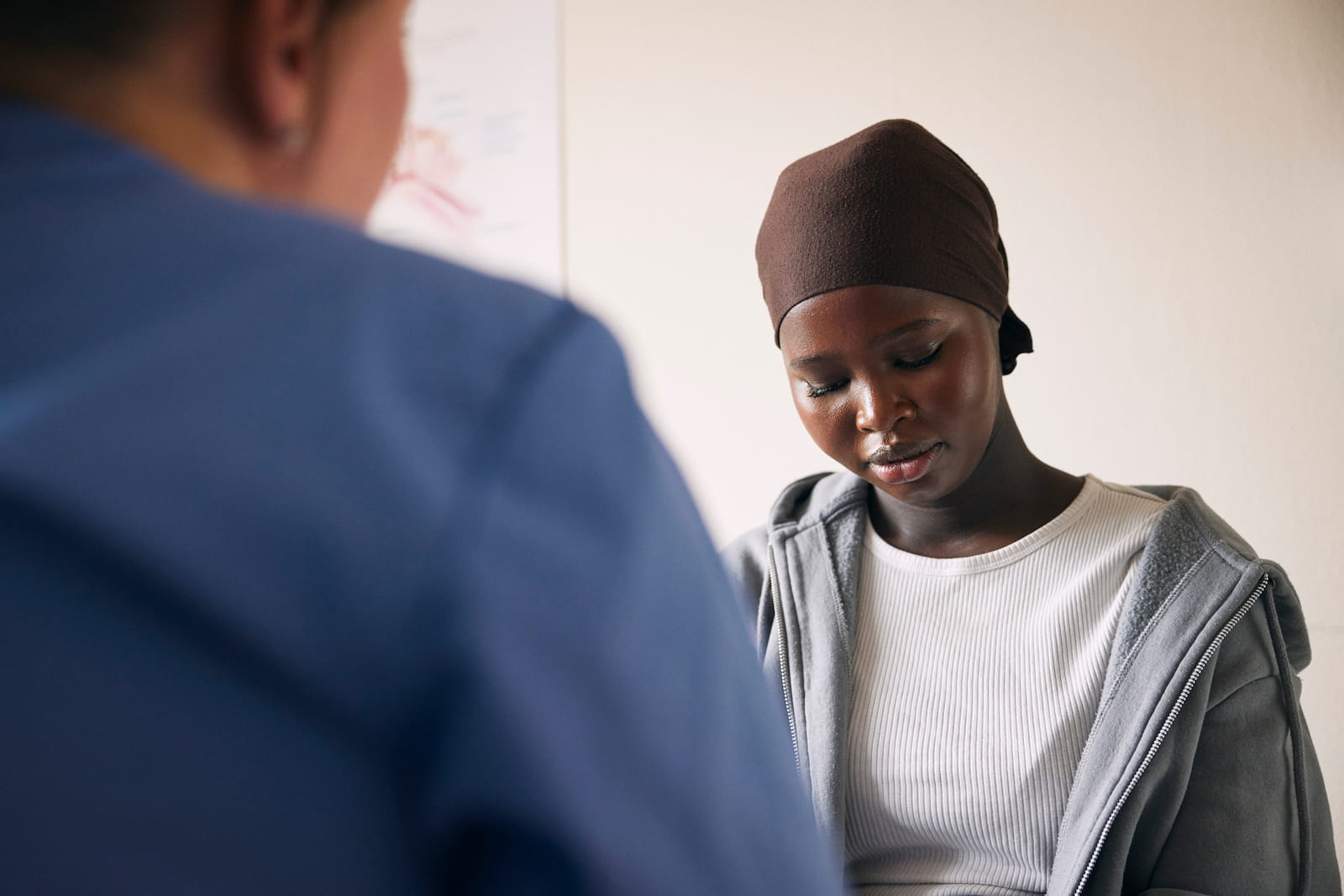
The time has come. You’ve made it through the initial shock of hearing the words, “You have ovarian cancer” and “You’ll need chemotherapy.” You’ve read through the information your care team gave you, but when so much is happening at once, it can feel overwhelming. Now, with your first treatment day quickly approaching, you may be wondering: Am I really prepared?
Chemotherapy days can be long. The good news? A little preparation can go a long way toward making your treatment more comfortable. Here are 15 chemo bag essentials, inspired by women who have been through it themselves.
Infusion rooms can get surprisingly cold. Bringing a soft blanket or quilt, along with a pair of fuzzy socks, can help you stay warm and comfortable throughout your treatment.
Listening to music, a podcast, or an audiobook is a great way to pass the time and shift your focus during treatment.
“Depending on the vibe for the day, I would listen to spa music or even white noise. Sometimes, I just needed something to turn my mind off. On those days where I felt pumped up, I jammed out to my favorite rock songs! No one around me had any idea,” Julianna F., a 29-year-old cervical cancer survivor, tells City of Hope.
Chemotherapy appointments often last several hours, so chances are you’ll spend plenty of time on your phone. Don’t forget your charger so you can stay connected, entertained, or reach loved ones if needed.
RELATED: The Ovarian Cancer Appointment Checklist: Questions to Ask Before You Leave
Many patients become sleepy after receiving pre-medications before chemotherapy. An eye mask can make it easier to rest, while earplugs help block out beeping machines and other distractions in the infusion room.
Nausea is one of the most common chemotherapy side effects. If your doctor recommends it, bring your prescribed anti-nausea medication. Some patients also find relief from acupressure wristbands.
“Sea-Band® wristbands use acupressure to help stop nausea. I personally loved wearing them. I have many pairs stashed in the car, my chemo bag, purse, by my bed, etc. Even though I’ve finished chemotherapy, the motion sickness after treatment can be brutal. Wearing the bands along with nausea medicine, in my experience, greatly calms down that yucky feeling,” Julianna says.
Chemotherapy can leave a strange taste in your mouth, and some people also experience dry mouth or nausea. Peppermints may help with both.
“During port access and chemotherapy, I also recommend sucking on peppermints to try to combat that weird taste you may get,” Julianna tells City of Hope. “In addition to peppermints, peppermint oil worked for my nausea and relaxation. I have a rollerball and roll it on my stomach, wrists, and behind my ears for relief. Plus, I love the smell!”
Reading a favorite novel or coloring can help make the hours pass a little faster while providing a welcome distraction from treatment.
Bring a few easy-to-eat snacks along with a refillable water bottle. Staying hydrated and eating small snacks, if you’re able, may help you feel better during and after your infusion. Follow any dietary recommendations provided by your care team.
Writing can be incredibly therapeutic during cancer treatment. A journal also comes in handy for keeping track of appointments, symptoms, medications, and questions for your doctor—especially if you’re experiencing “chemo brain.”
“Using a journal helped me keep track of appointments, conversations, or important events that I have trouble remembering on my own. In fact, I have three separate ones—one for things I can’t remember, one for my ongoing to-do lists, and another for big feelings,” Julianna shares.
Whether it’s a Bible, prayer journal, inspirational quote, family photo, or another meaningful keepsake, bringing something that brings you comfort can help you feel grounded before and during treatment.
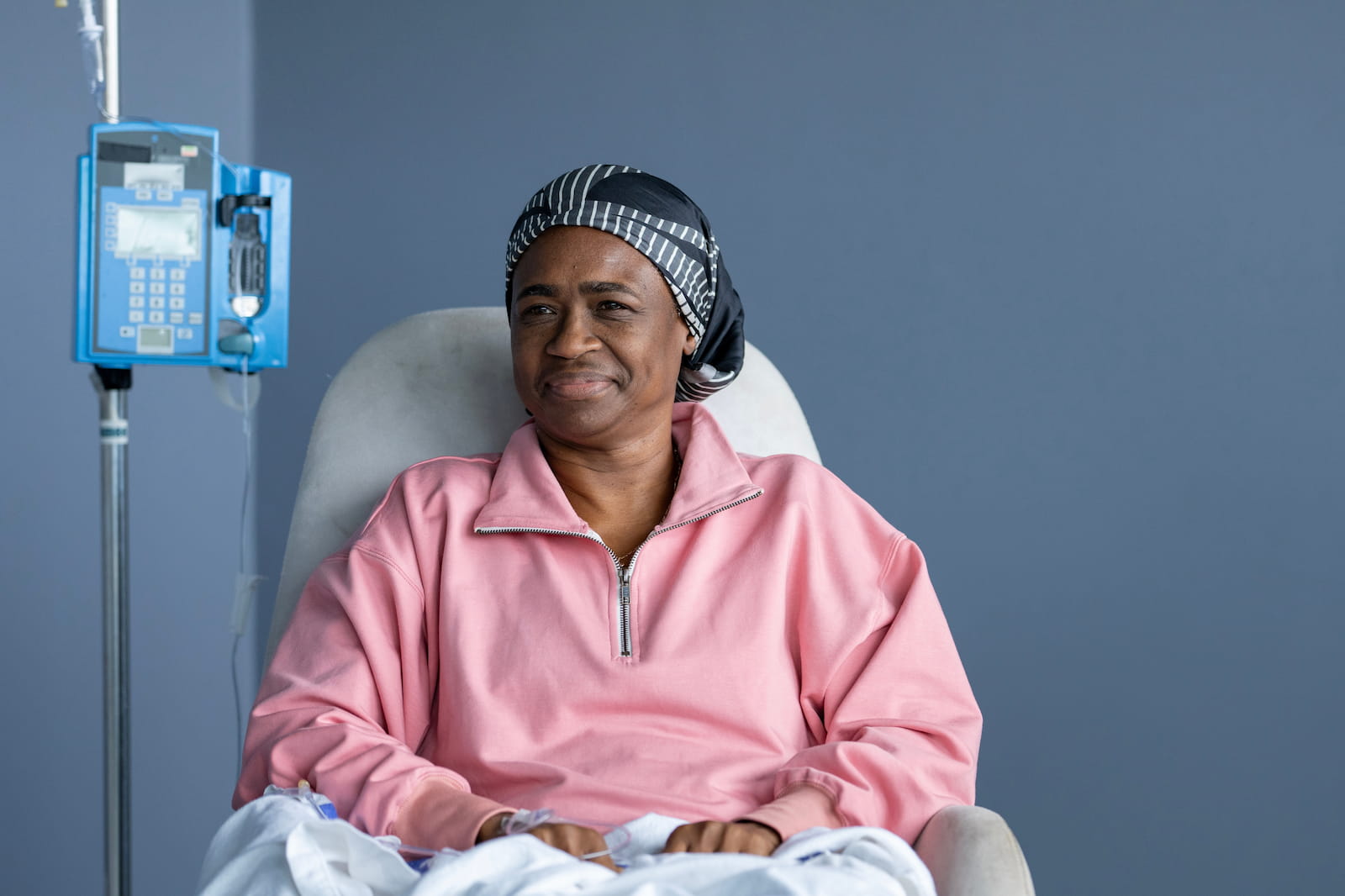
Chemotherapy sessions can last anywhere from one to eight hours, and some treatments may even require an overnight hospital stay. Cervical cancer survivor Stephanie Madsen recommends wearing loose, comfortable clothing that allows easy access to your port, such as a V-neck shirt.
If you get tired of scrolling on your phone, a laptop or tablet can help you catch up on work, stream your favorite shows, read, or simply stay entertained. Just don’t forget the charger.
Crossword puzzles, Sudoku, card games, or travel-sized board games can help pass the time while giving your brain a little exercise.
“For extra fun, consider inviting your fellow cancer fighters to play along,” Madsen says.
Some chemotherapy drugs can cause dry lips and mouth sores. Keeping lip balm nearby can help soothe chapped lips and keep you more comfortable throughout treatment.
Chemotherapy isn’t easy. Bringing something inspirational—whether it’s your favorite devotional, encouraging quotes, affirmations, or uplifting messages from loved ones—can remind you of your strength on the difficult days.
If possible, consider asking a trusted friend, family member, or caregiver to come with you. Having someone there to hold your hand, keep you company, listen, or simply sit beside you can make a long treatment day feel a little less lonely.
RELATED: What to Eat When Treatment Changes Your Appetite
Preparing for chemotherapy starts before you even arrive at the infusion center.
Ask your care team whether you need to make any changes to your diet, medications, or activity level based on the type of chemotherapy you’ll be receiving. In many cases, you can eat normally and continue taking your regular medications, but it’s always best to confirm with your doctor.
In addition to the items listed above, the American Cancer Society recommends asking your care team whether you should bring:
You should also arrange transportation to and from your appointment.
“We often don’t know until the day of treatment if we’re going to have to give you a medication that might make you sleepy,” says Norah Lynn Henry, MD, PhD, an American Society of Clinical Oncology (ASCO) expert and medical oncologist at the University of Michigan Rogel Cancer Center.
Finally, try to get a good night’s sleep so you’re well rested for the day ahead.
Unless your doctor tells you otherwise, eat a light meal before your appointment and plan to arrive about 15 minutes early. This allows time for check-in, lab work, or any unexpected delays.
Your care team will typically check your weight and vital signs and may draw blood before your infusion begins.
This is also the perfect opportunity to ask any last-minute questions, such as:
Most people don’t actually feel the chemotherapy being infused. However, the pre-medications may make you sleepy.
If anything feels unusual during your infusion—even if you’re not sure whether it’s important—tell your nurse immediately.
“Anytime you’re in the infusion room, if you feel weird or something just doesn’t seem right, always tell the nurse,” says Dr. Henry. “You don’t want to assume that it’s normal.”
If you do have a reaction, your care team is trained to respond quickly, and in many cases, treatment can continue once the reaction has been managed.
You may feel tired or sleepy after treatment, but many people don’t experience their side effects until later.
“People often assume that they’re going to feel unwell immediately, and most of the time, that isn’t the case,” says Dr. Henry. “People may actually feel pretty good, depending on what treatment they received.”
Before heading home, make sure you understand your post-treatment instructions. Your care team will review:
Remember, no two chemotherapy experiences are exactly alike. Be patient with yourself, listen to your body, and lean on your care team and loved ones when you need support. Preparing ahead of time won’t eliminate every challenge, but it can help you feel more comfortable, confident, and in control as you begin treatment.


By subscribing, you consent to receive emails from BlackDoctor.com. You may unsubscribe at any time. Privacy Policy & Terms of Service.
Enter your name and email to receive the download link.