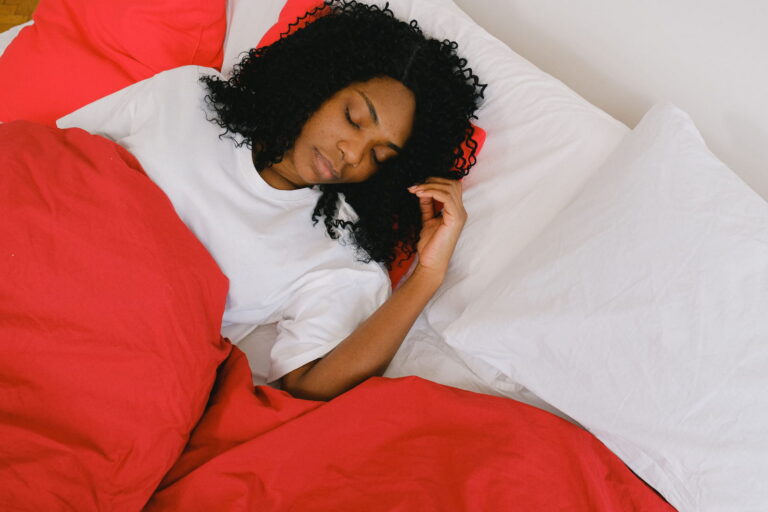
There’s nothing worse than feeling ill and not being able to get to the root of the problem. Fortunately, there are a few things you can do if you believe you may have monkeypox to protect you and your loved ones.
RELATED: Not Another Epidemic! Best Ways to Stay Safe And Protected From Monkeypox
Whether you’re actively experiencing symptoms or believe you’ve come into contact with a potential carrier, the first step you should take is getting checked. Have you had skin-to-skin contact (including sex) with someone that tested positive for monkeypox? Do you have bumps, sores or a rash that looks like blisters or pimples? These are all reasons to see a health care provider. Don’t have a health care provider? Contact your local health provider.
If you are experiencing monkeypox symptoms, especially if you spot suspicious red lesions, pimples or pustules, reach out to a health care provider who will help you get tested. Your doctor will swab a lesion and order a monkeypox test for you. You can also get tested at urgent care centers or sexual health clinics and through other health providers. Samples of the polymerase chain reaction, or P.C.R. can only be sent to a public health laboratory or one of five commercial labs for analysis. The turnaround time has improved, however, it can take anywhere from 24 hours to three days or more before you receive your results.
RELATED: Everything You Need to Know About Monkeypox and the Vaccine
It is also a good idea to self-isolate to prevent the spread of the virus. The WHO is advising people to isolate themselves for three weeks from the time they believe they may have been exposed and to limit contact with others while awaiting test results.
3. Get protected
Vaccinations can also help protect you against the virus. As of now, there are two vaccinations available that have originally been developed for smallpox. However, as cases rise, many states like New York and New Jersey are expanding their eligibility criteria for the vaccine. The vaccine that is most commonly used for monkeypox is called Jynneos. It consists of two doses given four weeks apart.
The vaccine can also work if it is given after you have been exposed to monkeypox. However, the Centers for Disease Control and Prevention recommends that people get vaccinated within four days of the date of exposure for the best chance of preventing monkeypox.
Experiencing terrible symptoms? You can also get a shot up to two weeks after
an exposure to help reduce your symptoms. However, note that a vaccination more than four days after an exposure may not prevent the onset of the disease.
The supply for this vaccine is limited and it is not widely available to the public. However, the good news is, that the vaccine has been offered to health care or laboratory workers who might handle infected samples and people who have had a confirmed or suspected monkeypox exposure.
“You’d still need to take all the preventive measures for a few weeks after vaccination,” says Dr. Sharone Green, an infectious disease expert at the University of Massachusetts Chan Medical School in Worcester. You are considered fully protected two weeks after you have received your second dose, according to Dr. Green. However, some researchers have suggested that even a single dose of Jynneos may help slow the spread of monkeypox.
You can schedule an appointment for the vaccine through your local or state health department.
If you test positive, your healthcare provider will help you determine your next steps. The virus should run its course, and symptoms should clear up on their own in two to four weeks without the need for treatment, according to WHO.
If you’re experiencing monkeypox symptoms, here are some tips from the WHO:
Do you share a house with someone that hasn’t tested positive? It is a good idea to isolate within your household, if possible. This includes using separate bathrooms, eating utensils, towels and electronics and doing your own laundry. You should also open windows, which can provide good ventilation. However, avoid sweeping and vacuuming because this can disturb virus particles and lead to further infection.
Related Articles:

By subscribing, you consent to receive emails from BlackDoctor.com. You may unsubscribe at any time. Privacy Policy & Terms of Service.