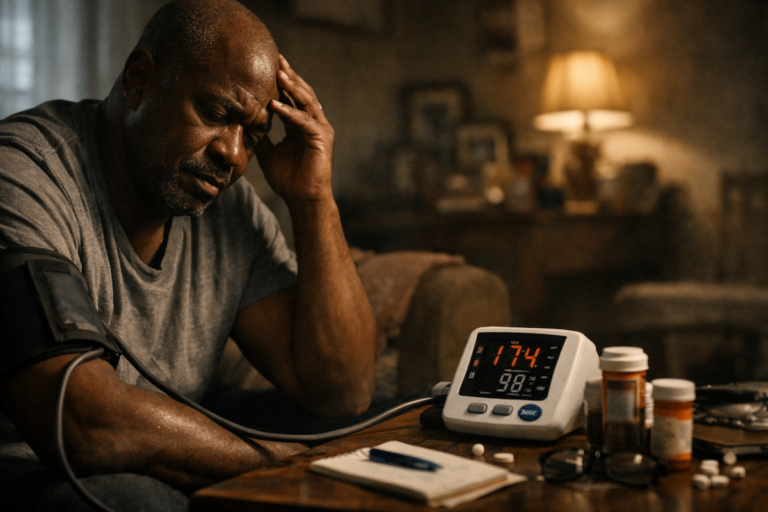
Nobody likes to be called “difficult,” so it’s simpler to comply when you’re continually being treated.
Long-term chronic disease threatens our mental health, overexposes us to medical procedures, and drains our time and energy.
Sometimes, these pressures lead to “good patient syndrome,” when people behave to please physicians for better treatment. This includes never asking questions or downplaying their struggles to avoid being considered “difficult.”
Trauma explains this bizarre long-term treatment strategy. Still, avoiding revealing vital medical information to make their doctor’s day easier makes people sicker.
Although often linked with terminally sick patients, it may also occur in chronically unwell and disabled individuals.
Good patient syndrome arises when a patient consciously or subconsciously behaves and acts like a ‘good patient.’ Dr. Kaley Roosen, a licensed clinical and health psychologist in Toronto, Canada, believes that patients who listen and respect their doctor are less complex and submit to their authority for treatment.
She says, “This may include being agreeable, friendly, soft spoken, deferential to doctor’s orders and suggestions, grateful, and not causing too much of a fuss or issue.”
RELATED: 9 Doctor’s Office Mistakes You’re Making
There is no official clinical description, but for me, the good patient syndrome has manifested as:
The good patient syndrome seems similar to the “fawn” trauma reaction. “Fawn” is a fourth reaction to perceived dangers, along with “fight,” “flight,” and “freeze.” Fawning prevents conflict and restores safety by charming others.
When adverse effects occur, several doctors may refuse to send you or chastise you for requiring a new therapy. Rebuttals reinforce the idea that your body is not yours.
According to leading psychological therapist Andrew Kidd, there is pressure to respond appropriately to be rewarded and accepted. People expect you to be good if you do well. If you do wrong, you’re not a decent person. What leads to fawning and capitulation? “Almost all of these behaviors say, ‘Please don’t hurt me because I’m already struggling,'” he says.
Constantly being in expert rooms makes it hard to convey your worries. The sickness flourishes in your body, and your medical team can cure it. You feel compelled to play “good patient” due to the power imbalance. That enables dishonesty to thrive.
RELATED: How do I Prepare for My Doctor’s Visit?
When flare-ups keep you in the hospital, you may accept therapies you know have terrible side effects, including steroids and methotrexate for another autoimmune disorder. Downplaying the drugs’ effects might cause you to get overwhelmed with your health and provoke flares of numerous disorders, including IBD.
According to intersectional psychotherapist and relationship coach Zayna Brookhouse, being a good patient includes navigating the intricate web of teachings, humiliation, denial, distortion, and dissociation when interacting with experts. “You are building a fear-based distortion of the narrative of how your sickness impacts you, which leads to a poor treatment plan and outcome.”
Your desire to be a good patient obscured the complete picture for doctors.
The most important way to reduce excellent patient syndrome is to balance power with the medical team. They may be specialists, but it’s your body, so take control. Begin by determining your desired outcomes from your medical session.
“What do I need from this meeting to feel successful?” Kidd proposes commencing. “What do I need to hear myself saying to feel more in control?”
Outside of medical visits, practice this with family, friends, bosses, and coworkers “so that when you’re in that position of a power dynamic differential, it’s second nature.” If this seems overwhelming, develop coping techniques to manage medical trauma.
It can feel like physicians are rulers whose desires you could never question or reject under good patient syndrome. You can resist whatever they say when good patient syndrome is temporarily abandoned. Of course, neither method is optimal.
Focusing on them as a team and ending ties with certain physicians helped me overcome good patient syndrome and improve my health. I still encountered resistance and dismissals, but I learned to return to visits and seek a new referral if a doctor made me uncomfortable.
U.K. National Health Service general practitioner Dr. Hana Patel believes this is OK “if you feel that the doctor is rushed or not listening attentively.”
“We don’t always get along with everyone, and if you don’t like your doctor, you should request another.”
Taking back control of my healthcare was worth the occasional wait periods.


By subscribing, you consent to receive emails from BlackDoctor.com. You may unsubscribe at any time. Privacy Policy & Terms of Service.